








The Future Of Smart Cities And Transportation Engineering
10 March 2026
6 Mins Read
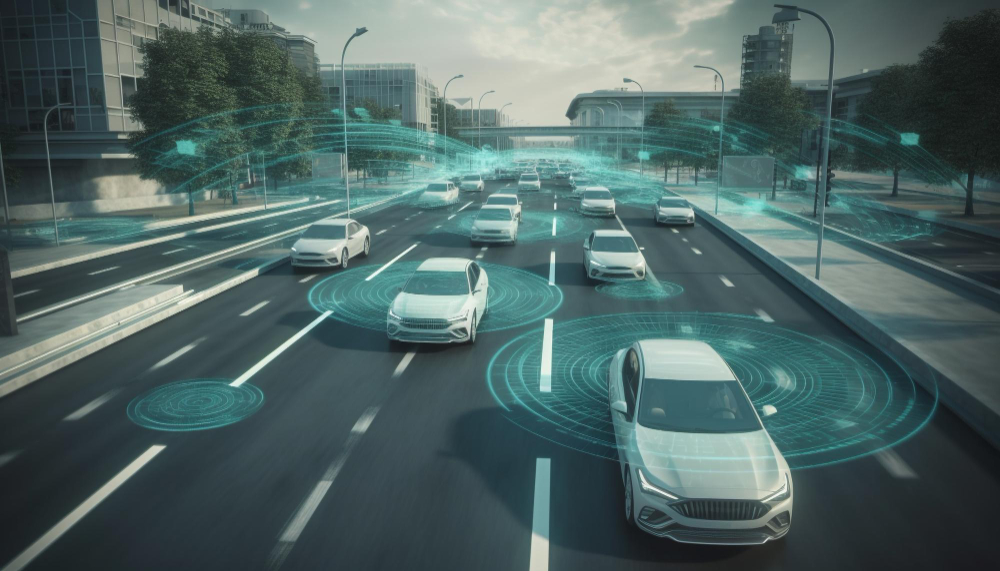
Let’s talk about smart transportation systems and how they are changing the way we live and commute!
Cities aren’t just getting bigger – they are changing fast. Urban areas are finding new ways to move people and goods through busy streets.
Additionally, smart cities are using new tech to:
- Fix transportation.
- Make infrastructure smarter.
- Make life easier for everyone.
Right in the middle of all this change, transportation engineers are stepping up. The job of a transportation engineer isn’t just about roads and bridges anymore.
Now, they blend data, real-time connections, and green thinking to build cities that can handle whatever comes next.
Why Are Smart Transportation Systems The Future Of Smart Cities?
Digital innovation is everywhere. Engineers use real-time hazard alerts, predict traffic jams before they happen, and even track emissions as they shift traffic patterns.
It’s not just engineers, either – urban planners, city leaders, and private companies work together to roll out AI, advanced sensors, and cars that talk to each other.
All these efforts lead to safer streets, faster commutes, and cleaner air. Every year, cities and researchers come up with new ways to turn data and tech into real public benefits.
Maybe that means putting sensors in the pavement, building digital twins to test city plans, or switching buses and trains to renewable energy.
And guess what? The future is looking good if you’re ready to keep up. Cities are starting to try wild new ideas, like roads that charge electric cars as they drive, or highways covered in smart coatings that collect data around the clock.
This is where different fields come together – engineering, tech, planning – to create flexible, forward-thinking infrastructure.
All of this adds up to a pretty exciting ride for urban transportation. The way we move through cities is changing, and so is the way we think about what’s possible.
AI In Road Safety
Firstly, artificial intelligence is shaking up the way cities handle road safety. All over the U.S., city officials are rolling out AI-powered cameras, dashcams, and roadside sensors to spot hazards before they become real problems.
For instance, take Honolulu’s “Eyes on the Road” program – those roadside cameras constantly scan for things like broken guardrails or damaged signs.
As soon as the AI catches something, crews get sent out quickly, so accidents are less likely to happen in the first place.
On the other hand, in San Jose, they’ve got cameras on street sweepers that can spot potholes with 97 percent accuracy.
That means repairs happen faster, and drivers face fewer surprises on the road. Thanks to these AI tools, cities can jump on issues right away and make the streets a lot safer for everyone.
Digital Twins in Urban Planning
Secondly, there are digital twins – basically digital copies of real-world infrastructure – that give urban planners a powerful way to test out ideas.
Want to see what happens if you build that new road, change traffic patterns, or let the city grow in a certain way? You can do it all virtually first.
Chattanooga, Tennessee, actually pulled this off, and how! They have managed to cut congestion in half on major roads just by using these digital models to tweak traffic signals on the fly.
Engineers love this tech because it lets them play around with changes before anyone has to break ground.
They can figure out how to lower emissions, boost efficiency, and improve public health – all from behind a screen. And it’s not just theory – that’s the magic of smart transportation systems!
Research from the University of Tennessee at Chattanooga shows that using digital twins across the board can slash urban carbon emissions, even bringing them down to zero in some cases.
And besides, this is a real step toward cities that are not just smarter, but cleaner and healthier, too. (Psst… you can always learn more about their research here.)
V2X Communication
Third on the list of smart transportation systems or technology is V2X. Also called Vehicle-to-Everything communication, this is basically changing the way cars, buses, and even traffic lights interact with each other.
With V2X, they share data instantly, which means safer roads and smoother traffic. The U.S. Department of Transportation says V2X can stop up to 80 percent of crashes that don’t involve impaired drivers.
Big names like BMW and Ford are already rolling out cars with this tech. They’re looking to cut down wait times at intersections and make city driving less of a headache.
As more cities upgrade their roads and vehicles with wireless connections, V2X becomes the backbone of smarter, more connected transportation.
Electric Road Systems
Electric vehicles are taking off, and honestly, charging them everywhere people need is the next big challenge. That’s where Electric Road Systems, or ERS, come in.
Imagine city streets that actually charge your car as you drive – no cords, no stopping. These roads have special coils buried right in the pavement.
As EVs roll over them, they pick up power on the go. No more worrying about running out of juice or sitting around waiting for a charge.
Turns out, giving cars these quick, regular top-ups can help batteries last longer and really cuts down on range anxiety.
I really think that it’s a game-changer, especially for city drivers and people hauling freight over long distances. Besides, many cities are already starting to test this out.
Detroit, for example, just launched America’s first electrified road that charges cars while they’re driving or even parked.
The technology comes from an Israeli company called Electreon. They installed charging coils under a stretch of 14th Street in the Michigan Central innovation district.
The road sends energy wirelessly – using a magnetic field – to EVs that have the right receiver.
It’s safe, easy, and skips the whole plug-in hassle. Plus, the system’s built to keep everyone protected – drivers, people walking by, even animals.
Smart Highways
Next, smart transportation systems can never be complete without smart highways. And honestly, these are changing the way we travel. Gradually, this is making roads safer and a lot smarter.
For instance, let me take a moment to talk about Michigan’s I-94. Over three miles, you’ll find sensors every couple of hundred meters, high-friction pavement to help with traction, and lighting that actually adapts to real conditions.
All this tech is a part of the smart transportation systems. And it lets cars talk to the road and keeps both drivers and traffic managers in the loop with real-time updates.
Furthermore, when cities upgrade their old highways like this, traffic moves better, accidents drop, and cars pollute less.
Projects like these really show how important transportation engineering is as we bring old roads into the modern era.
Integrating Renewable Energy
Cities aren’t messing around when it comes to bringing renewables into the way people get around.
You will see solar panels and wind turbines popping up along highways, and even massive battery banks right in downtown areas.
Basically, the idea is pretty simple: make it cleaner and cheaper to move through the city.
And thanks to smart grids and all that connected tech, cities can actually watch their energy use in real time and make changes on the fly. Eventually, that cuts down on wasted power – simple as that.
It’s a big reason why so many cities are finally making real progress on climate goals and dialing back their environmental footprint.
Education And Research That Support Smart Transportation Systems
Let’s face it – smart cities only move forward when people keep learning and pushing the boundaries. Top schools like Yale are on it.
Most of these institutions are rolling out courses that support smart transportation systems and implementation.
For instance, these include:
- IoT networking.
- Artificial intelligence.
- Urban systems engineering.
Students in these programs don’t just study. Rather, they learn how to actually design, build, and keep these next-gen cities running.
Besides, when universities bring together fresh ideas and different fields, they set up future transportation engineers to take the lead in building cities that last.




Related Articles


Comments Are Closed For This Article