







Long-Term Value Of Stainless Steel Process Solutions
5 Mins Read
Published on: 07 May 2025
Last Updated on: 03 April 2026
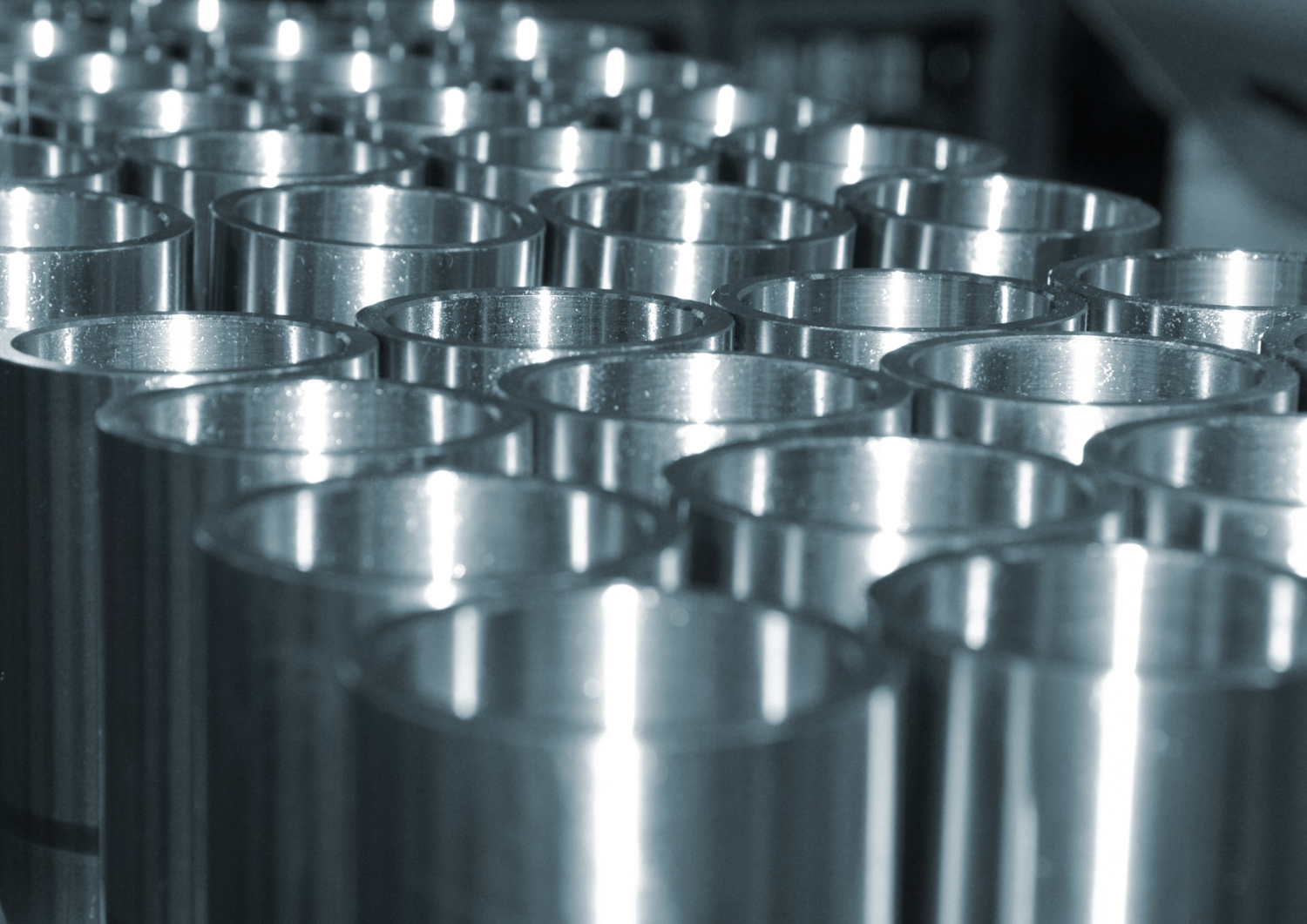
- 1. Durability Of Stainless Steel Process Solutions:
- A) Corrosion Resistance:
- B) Mechanical Strength And Stability:
- 2. Product Quality And Safety Benefits:
- A) Contamination Prevention:
- B) Temperature Control And Efficiency:
- 3. Cost Efficiency And Operational Reliability:
- A) Minimal Maintenance Requirements:
- B) Enhanced Equipment Reliability:
- 4. Sustainability And Compliance Benefits:
- A) Longevity:
- B) Recyclability:
- C) Environmental Impact:
- D) Regulatory Compliance:
- Know The Long-Term Benefits Of Stainless Steel!
Manufacturing decisions made on the basis of immediate cost saving can lead to potential hazards, and loss of revenue and reputation in the long term.
Sometimes, manufacturers overlook the need for high-quality materials, opting for cost-effective alternatives that compromise quality.
Stainless steel process equipment consistently proves its value across food, pharmaceutical, chemical, and cosmetic industries. It’s an essential component of the manufacturing and product lifecycle.
These materials offer efficiency and durability while maintaining regulatory compliance, thereby serving as an investment rather than a simple appliance in a business setting.
In this blog post, we have explained how stainless steel process solutions can provide durable solutions for the manufacturing industry.
We have also explained why leading manufacturing companies rely on stainless steel for their manufacturing processes.
1. Durability Of Stainless Steel Process Solutions:
Investing in stainless steel equipment ensures long-term reliability and cost savings for a manufacturing business.
The durability of steel stems from key properties that enable it to withstand mechanical and environmental stressors.
A) Corrosion Resistance:
The corrosion resistance of stainless steel process solutions provides it with the greatest advantage in industrial settings.
Thanks to the chromium content in stainless steel, it forms a protective passive layer that continually regenerates. It prevents the steel from oxidation and chemical damage.
Industries that handle acids, chloride-based products, and caustics can benefit from different grades of stainless steels.
316L, among them, is notable, as it provides an added layer of resistance under aggressive processing conditions. It far exceeds the longevity of carbon steel.
B) Mechanical Strength And Stability:
Beyond its corrosion resistance, stainless steel offers high strength-to-weight ratios, enabling thinner vessel walls without sacrificing structural integrity.
The material withstands extreme temperatures, whether for cryogenic applications or high-temperature processing. Its fatigue resistance is particularly valuable in equipment subject to cyclic stress or thermal shifts.
Unlike carbon steel, which develops cracks over time, stainless steel process solutions maintain their structural integrity through countless operational cycles, significantly reducing replacement costs.
2. Product Quality And Safety Benefits:
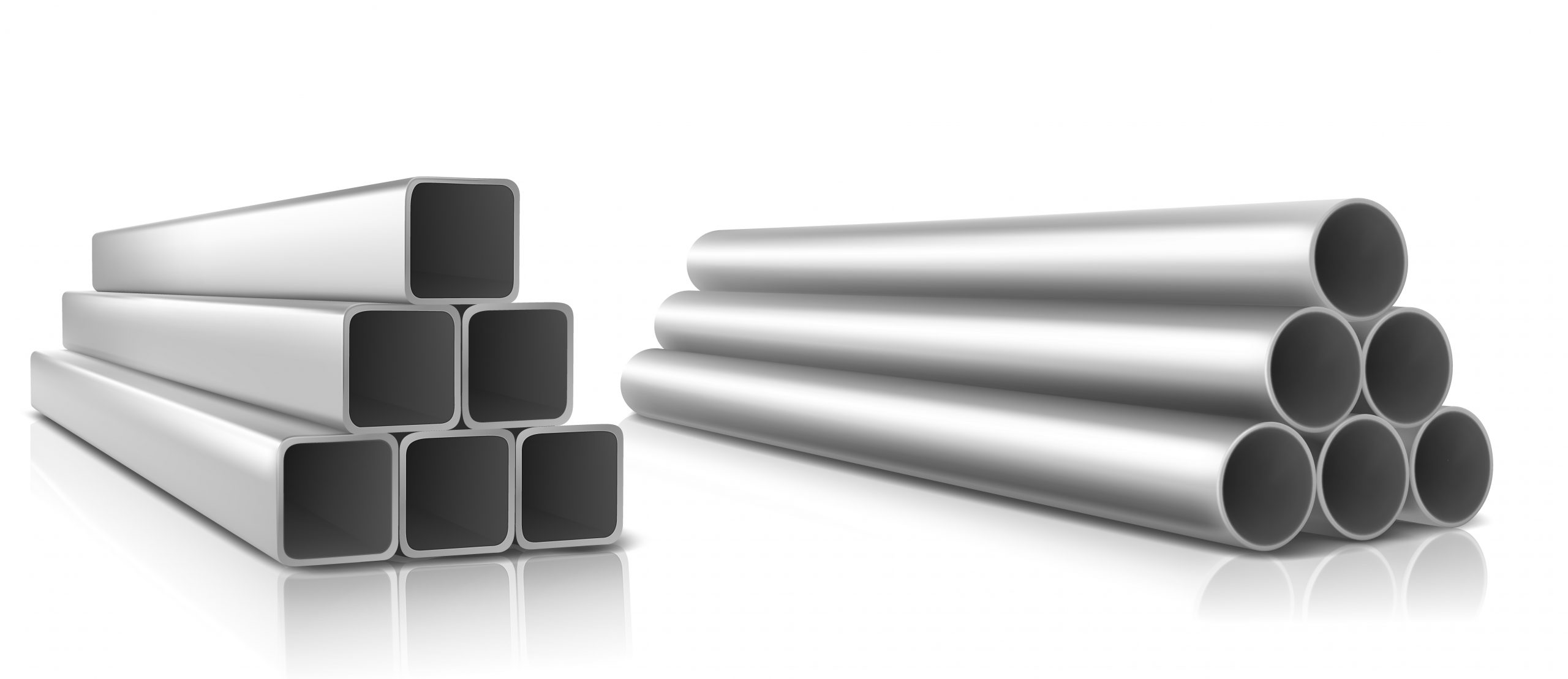
The durability of stainless steel process solutions is just one aspect of its wide range of benefits.
However, its ability to maintain product quality and ensure compliance with state and federal safety standards makes it a must-have within the organization.
A) Contamination Prevention:
Stainless steel is unparalleled in its ability to store and maintain the purity of beverages, food, and medicines. Stainless steel has a non-reactive surface, reducing the risk of contamination.
Also, it’s a material that prevents the leaching of unwanted compounds, which can alter the taste, quality, and color of stored food and beverages.
Additionally, its non-porous surface resists bacterial adhesion and biofilm formation, making cleaning easier and reducing the risk of contamination. Electropolished stainless steel process solutions further enhance cleanability, making it ideal for high-purity applications.
B) Temperature Control And Efficiency:
Stainless steel exhibits predictable expansion and thermal conductivity, enabling precise temperature control in heating and cooling processes.
For applications such as jacketed vessels and heat exchangers, stainless steel maintains consistent efficiency without the gradual performance decline seen with alternative materials.
This level of stability improves product quality and also reduces long-term energy consumption.
3. Cost Efficiency And Operational Reliability:
Stainless steel equipment also requires a higher initial investment. However, it’s better to invest in these parts than in alternatives that require frequent replacement.
A one-time investment that doesn’t get in the way of operation for long-term returns and better ROI. Here’s how it’s more cost-effective than its cheaper alternatives :
A) Minimal Maintenance Requirements:
Over an equipment’s lifespan, maintenance costs often surpass the initial investment. Stainless steel significantly reduces ongoing upkeep by eliminating the need for corrosion protection, repainting, or frequent coating repairs.
Its smooth surface minimizes product buildup and scaling, reducing cleaning time and associated labor costs.
When cleaning is required, stainless steel withstands aggressive sanitation chemicals without degradation, ensuring long-term operational efficiency.
B) Enhanced Equipment Reliability:
Manufacturing productivity depends on equipment reliability.
Stainless steel process solutions prevent unplanned downtime by resisting standard failure modes associated with inferior materials.
Continuous processing facilities particularly benefit from this durability, avoiding costly production interruptions.
Additionally, stainless steel process solutions retain significant resale and salvage value due to their high alloy content.
Even after decades of service, it can be refurbished or recycled, making it an economically sound long-term investment.
4. Sustainability And Compliance Benefits:
Modern industries have gone beyond using technology to achieve faster, higher-quality production. The best modern practices also include adopting sustainable practices to achieve the end goal of a manufacturing business.
With stainless steel components used for manufacturing, businesses can finally stay compliant with those requirements.
It’s not only more durable and higher-quality, but stainless steel also offers longevity, recyclability, and compatibility with stringent safety standards.
The following are some important parameters that stainless steel helps fulfill for the manufacturing businesses:
A) Longevity:
The durability and longevity of steel make it almost indestructible and sustainable.
It has strong resistance to corrosion and wear, extending its lifespan and reducing the need for constant replacement and repairs. It minimizes waste and constant resource consumption.
B) Recyclability:
Stainless steel is completely recyclable. 100% of steel manufacturing components can be recycled.
Users can recycle them indefinitely without worrying about the quality being downgraded. It minimizes the need for virgin materials in manufacturing, reducing landfill waste in the process.
C) Environmental Impact:
Stainless steel reduces replacement cycles and conserves energy during production. It is 100% recyclable, ensuring minimal environmental impact when the equipment reaches the end of its life.
Selecting suppliers that incorporate recycled materials further enhances sustainability by reducing the carbon footprint associated with manufacturing new equipment.
D) Regulatory Compliance:
Strict industry standards emphasize cleanability, traceability, and material compatibility.
Stainless steel process solutions simplify compliance by meeting regulatory guidelines across multiple sectors, including pharmaceuticals and food production.
Its established track record in critical applications ensures that it will continue to meet evolving industry standards, reducing validation costs and compliance efforts for manufacturers.
Know The Long-Term Benefits Of Stainless Steel!
The long-term benefits of stainless steel process solutions don’t only rely on initial costs. It goes beyond. These solutions provide an extended product service life, superior product quality, and reduced maintenance costs.
Also, there are different regulatory advantages, such as stainless steel, offering something unmatched in investment.
Most manufacturers that value efficiency, reliability, and sustainability always choose stainless steel for their most important applications.
Businesses can ensure long-term success through durable, high-performance processing equipment by evaluating operational needs and lifecycle costs.
Read Also:
- Steel Commercial Buildings: The Superior Choice For Safety And Security Of Your Business Assets
- Revolutionizing Woodwork With Stainless Steel General Application Wood Screws
- Aluminum VS Stainless Steel Wire Mesh: Which Is Better?




Related Articles

Comments Are Closed For This Article