








Renovating Your Business Premises
6 Mins Read
Published on: 15 April 2022
Last Updated on: 10 August 2026

- Easy Steps For Innovating Your Business Premises:
- 1. Start With A Commercial Property Assessment:
- 2. Create A Realistic Renovation Budget:
- 3. Making A Statement:
- 4. Having A Clear Vision And Idea:
- 5. Local Regulations You Need To Consider:
- 6. Put Workplace Safety First:
- 7. Minimize Business Disruption During Renovations:
- 8. Consider Sustainable And Energy-Efficient Upgrades:
- Golden Tip: Prioritize Renovations That Deliver The Best Return On Investment
- Common Mistakes To Avoid During Business Premises Renovations:
- Business Premises Renovation Checklist:
- Frequently Asked Questions:
- 1. How much should I budget for renovating commercial premises?
- 2. Can my business remain open during renovations?
- 3. Which commercial renovations provide the highest return on investment?
- 4. Do commercial renovations require permits?
- 5. How often should business premises be renovated?
Your business premises signal a lot to those who use and visit your business. You want your premises to be a reflection of your business identity, and for you too.
Improving and upgrading your premises is something you have been thinking about doing for a while. However, do you know where to start, and do you know what you should be working on first?
Jumping into any renovation project at the deep end can be costly and catastrophic. So, take your time to plan out what you want to achieve.
Easy Steps For Innovating Your Business Premises:
Every business handler dreams about having their own business premises.
When you have it, it gives a good impression. But every year you need to do some repair work and renovation work to make your business premises look perfect.
Where to start your renovation works? Here are a few tips. Check them out and learn the steps you need to follow to renovate your business premises.
1. Start With A Commercial Property Assessment:
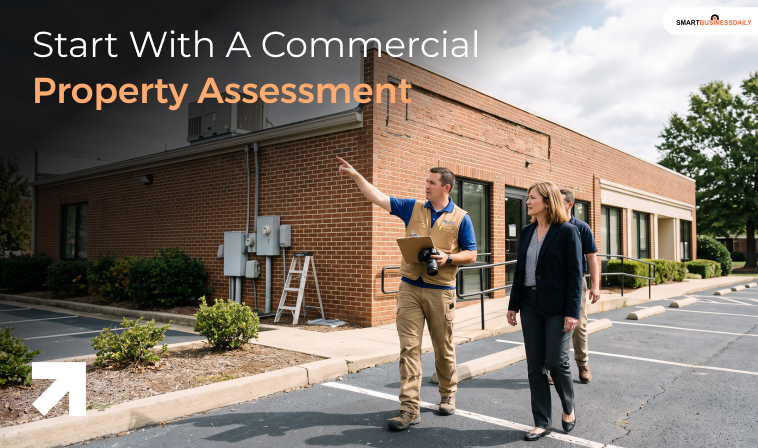
Before choosing paint colors, furniture, or exterior upgrades, assess the current condition of your business premises. A thorough inspection helps you identify issues that could become expensive if ignored later.
Walk through your property and evaluate the condition of the roof, plumbing, electrical systems, HVAC units, flooring, lighting, and structural elements. Also, review customer-facing areas such as entrances, reception spaces, restrooms, parking facilities, and accessibility features.
So, if you’re planning a large-scale renovation, consider hiring a commercial building inspector or contractor to identify hidden problems.
Additionally, addressing essential repairs before cosmetic improvements ensures your renovation budget is spent wisely and reduces the risk of unexpected expenses during the project.
2. Create A Realistic Renovation Budget:
One of the biggest mistakes business owners make is budgeting only for construction costs. In reality, commercial renovations involve many additional expenses that should be planned for from the beginning.
As a result, your renovation budget should include:
- Construction and labor costs
- Interior design and décor
- Furniture and office equipment
- Technology and networking upgrades
- Signage and branding updates
- Building permits and inspection fees
- Temporary relocation or operational expenses
- Professional fees for architects or designers
- A contingency fund of 10% to 20% for unexpected costs
So, having a detailed budget helps you avoid financial surprises while keeping the renovation project on schedule.
3. Making A Statement:
You want your business premises to be seen, and you want it to stand out from the crowd, and for this to happen, you have to make a statement.
You could make a statement by having the walls a different color, or you could look at using cladding on the exterior of the building.
Cladding that is made from an aluminum composite panel from a manufacturer such as Multipanel UK is versatile, durable, and hardwearing, and it is practical too.
Making a statement with solid and hard-wearing products is easy to do, and it will help you to get noticed and seen by customers and competitors alike.
4. Having A Clear Vision And Idea:
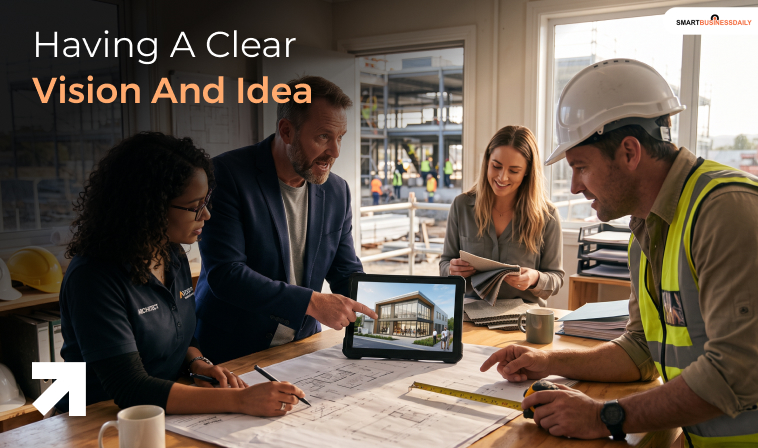
To get your business premises looking the way you want them to, you need to have a clear vision and idea.
If you do not have a vision, you may end up with a building that looks disjointed and not in line with what you want and what you feel your business represents.
When you have a clear vision and idea to work on, you can then share this with those who are assisting you on the project. It may include builders, designers, or even architects.
When you share your vision and you have clear visions and ideas, you can then expect to achieve greater results.
5. Local Regulations You Need To Consider:
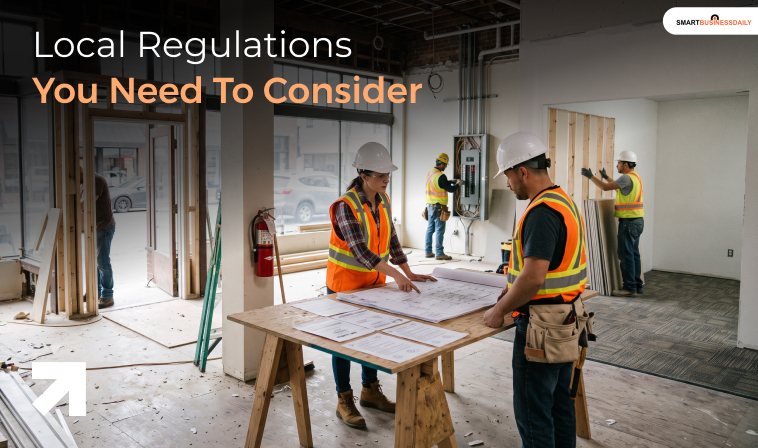
Commercial renovation projects often require approvals before work can begin. Ignoring local regulations can result in project delays, fines, or even mandatory reconstruction.
Depending on your location and renovation scope, you may need:
- Building permits
- Planning approvals
- Fire safety inspections
- Electrical and plumbing certifications
- Accessibility compliance inspections
- Environmental approvals
- Occupancy permits after project completion
Also, working with experienced contractors and consulting local authorities before starting the project helps ensure every stage complies with applicable regulations.
6. Put Workplace Safety First:
Safety should remain a priority throughout the renovation process and after the project is complete. A safe commercial property protects employees, customers, and visitors while helping your business remain compliant with workplace safety regulations.
Beyond installing fire extinguishers, consider:
- Smoke detectors and fire alarm systems
- Emergency lighting
- Clearly marked evacuation routes
- Accessible emergency exits
- Slip-resistant flooring
- Security cameras and access control systems
- First-aid stations
- Regular inspection of fire extinguishers and other safety equipment
Also, review your emergency response plan regularly and train employees so everyone understands the proper procedures during an emergency.
7. Minimize Business Disruption During Renovations:

Renovating an active workplace can affect customer experience and daily operations if not planned carefully. A well-organized renovation schedule helps you maintain business continuity while the work is underway.
Consider these practical strategies:
- Complete renovations in phases instead of renovating the entire property at once.
- Schedule noisy construction work during evenings, weekends, or holidays.
- Notify customers about temporary changes through your website and social media.
- Create temporary workstations if employees need to relocate.
- Protect inventory and equipment from dust and construction damage.
- Maintain clear walkways and safety barriers throughout the project.
Proper planning reduces downtime and allows your business to continue operating with minimal interruptions.
8. Consider Sustainable And Energy-Efficient Upgrades:
Modern businesses increasingly invest in sustainable renovations because they reduce operating costs while improving environmental performance.
Some worthwhile upgrades include:
- LED lighting systems
- Smart thermostats
- Energy-efficient HVAC systems
- Low-flow plumbing fixtures
- Solar panels where practical
- Double-glazed windows
- Recycled or environmentally friendly building materials
Also, these improvements not only reduce utility expenses but also strengthen your company’s sustainability efforts, which many customers and clients now value.
Golden Tip: Prioritize Renovations That Deliver The Best Return On Investment
Not every renovation adds equal value to your business. Before investing, identify improvements that can positively impact customer experience, employee productivity, operational efficiency, or long-term business costs.
Some high-return commercial renovations include:
| Renovation | Business Benefit |
|---|---|
| Modern storefront and signage | Attracts more customers and improves brand visibility |
| Energy-efficient LED lighting | Reduces electricity bills |
| Reception or waiting area upgrades | Creates a stronger first impression |
| Employee workspaces | Improves comfort and productivity |
| Security systems | Protects business assets and staff |
| Energy-efficient windows and insulation | Lowers operating costs over time |
Also, when every dollar has a purpose, your renovation becomes an investment rather than just an expense.
Common Mistakes To Avoid During Business Premises Renovations:
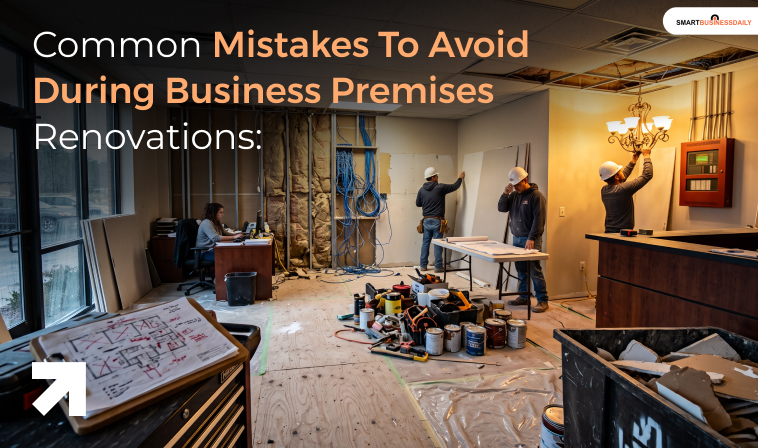
Many renovation projects exceed their budget or fail to meet expectations because of avoidable mistakes. So, knowing these common pitfalls can save both time and money.
As a result, it’s best to avoid these mistakes:
- Starting renovations without a detailed plan.
- Underestimating the total project cost.
- Hiring contractors based solely on the lowest price.
- Ignoring permit and compliance requirements.
- Prioritizing aesthetics over functionality.
- Failing to plan for future business growth.
- Overlooking technology and networking infrastructure.
- Not communicating renovation schedules with employees and customers.
Also, careful planning and realistic expectations are the best ways to avoid costly setbacks.
Business Premises Renovation Checklist:
Use this checklist before beginning your renovation project:
- Define your renovation goals.
- Conduct a full property inspection.
- Set a realistic renovation budget.
- Obtain all necessary permits.
- Hire qualified contractors and designers.
- Create a detailed renovation timeline.
- Inform employees, customers, and suppliers.
- Upgrade safety and security systems.
- Inspect completed work before reopening all areas.
- Develop a long-term maintenance schedule.
Also, following a structured checklist helps keep your renovation organized and ensures that important tasks aren’t overlooked.
Frequently Asked Questions:
1. How much should I budget for renovating commercial premises?
The budget depends on the size of the property, renovation scope, materials, and labor costs. It’s generally recommended to include an additional 10% to 20% contingency fund for unexpected expenses.
2. Can my business remain open during renovations?
Yes. Many businesses continue operating by completing renovations in phases, working outside business hours, or temporarily relocating certain departments.
3. Which commercial renovations provide the highest return on investment?
Improvements such as updated storefronts, energy-efficient lighting, modern reception areas, upgraded workspaces, and enhanced security systems often provide the strongest long-term value.
4. Do commercial renovations require permits?
In many cases, yes. Structural changes, electrical work, plumbing modifications, accessibility improvements, and major renovations typically require approval from local authorities.
5. How often should business premises be renovated?
While there is no fixed timeline, many businesses refresh customer-facing spaces every five to seven years and inspect major building systems annually to maintain safety, efficiency, and a professional appearance.
Read Also:




Related Articles



Comments Are Closed For This Article