







Data-Driven Decision-Making: Leveraging Analytics In HR
5 Mins Read
Published on: 15 February 2024
Last Updated on: 24 February 2026

- Embracing Data-Driven Decision-Making In HR:
- The Role Of Analytics In Modern HR Practices:
- Human Resources MBA: A Gateway To Mastering HR Analytics:
- Leveraging Data For Strategic Workforce Planning:
- Enhancing Recruitment And Selection With Analytics:
- Boosting Employee Engagement Through Data Insights:
- Optimizing Employee Performance Management:
- Driving Diversity And Inclusion With Data:
- Enhancing Learning And Development With Analytics:
- Predictive Analytics In Employee Retention Strategies:
- Navigating The Future With HR Analytics:
- The Strategic Imperative Of Data-Driven HR Is Immense Currently!
In modern business practices, Data-Driven Decision-Making (DDDM) stands as a beacon of efficiency, guiding organizations through the complexities of managing their workforce. By leveraging analytics in
Human Resources (HR) companies are not just optimizing their operations but are also setting new standards for strategic planning and employee engagement.
This article delves deep into:
1. The transformative power of DDDM in HR.
2. How can integrating analytics significantly uplift the HR function from traditional administration to strategic leadership?
Stay tuned.
Embracing Data-Driven Decision-Making In HR:
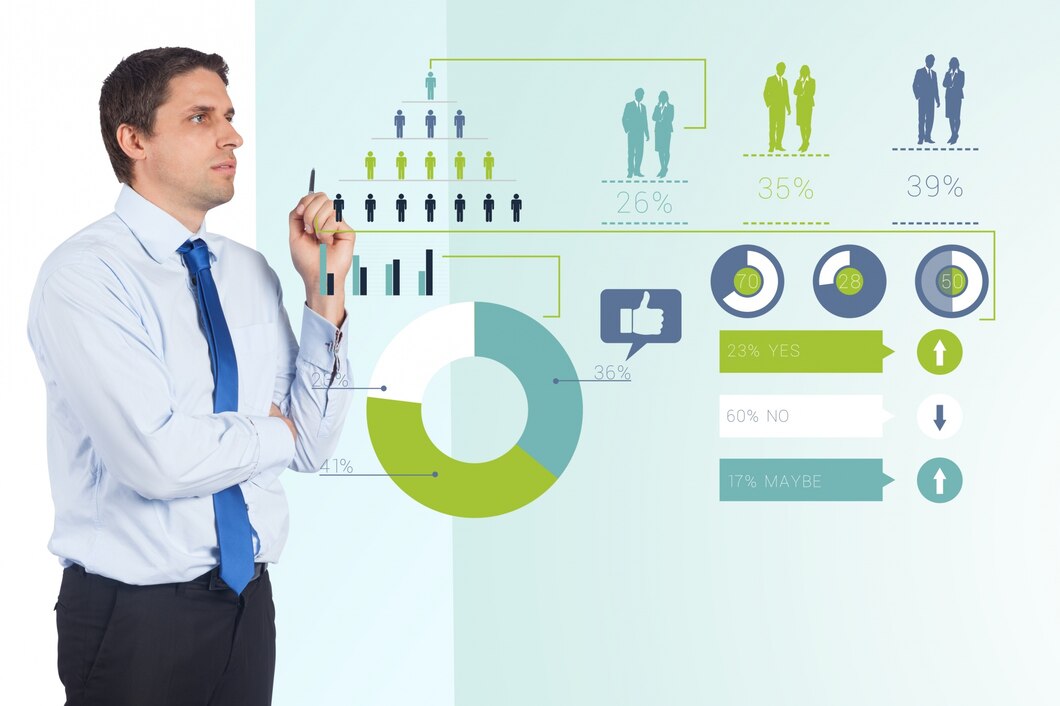
The shift towards data-driven decision-making in HR marks a significant evolution from intuition-based to evidence-based management.
In this digital age, HR professionals are increasingly turning to data analytics to inform their strategies.
Moreover, this usually ranges from recruitment and onboarding to performance management and employee retention.
This paradigm shift not only enhances the accuracy of HR decisions but also aligns workforce management with the overall business objectives, ensuring a more dynamic and competitive organization.
The Role Of Analytics In Modern HR Practices:
Modern HR practices have transcended traditional boundaries, now encompassing a broad spectrum of activities informed by analytics.
By systematically analyzing employee data, HR professionals can uncover valuable insights into workforce trends, predict future HR needs, and formulate strategies that drive organizational success.
This approach enables a more personalized and engaging employee experience, fosters a culture of continuous improvement, and ultimately leads to a more efficient and effective HR function.
Human Resources MBA: A Gateway To Mastering HR Analytics:
Human resources MBA programs often include comprehensive coursework in analytics, statistics, and data-driven decision-making.
This educational foundation empowers HR professionals to leverage data in crafting informed HR strategies and initiatives.
Through an in-depth understanding of analytical tools and methodologies, graduates are equipped to navigate the complexities of the modern workforce, ensuring their organizations remain adaptable, competitive, and forward-thinking in their HR practices.
Leveraging Data For Strategic Workforce Planning:
Strategic workforce planning is an essential component of data-driven HR, allowing organizations to anticipate future talent needs and develop strategies to meet them.
By analyzing current workforce demographics, skill sets, and performance data, HR professionals can forecast future trends, identify potential skill gaps, and implement targeted recruitment and development programs.
This proactive approach ensures the organization remains agile and can adapt to changing market demands and technological advancements.
Enhancing Recruitment And Selection With Analytics:

The recruitment and selection process benefits immensely from analytics, enabling HR professionals to optimize hiring strategies and improve the quality of hires.
By leveraging data on candidate profiles, performance metrics, and market trends, HR can refine job descriptions, tailor recruitment channels, and implement more effective selection criteria, making job posting information a crucial asset for attracting the right talent.
This not only streamlines the hiring process but also ensures a better alignment between the candidates’ capabilities and the organization’s needs, leading to higher employee satisfaction and retention rates.
Boosting Employee Engagement Through Data Insights:
Data analytics plays a crucial role in enhancing employee engagement by providing insights into employee behavior, preferences, and feedback.
By analyzing engagement surveys, performance data, and social media interactions, HR professionals can identify areas of improvement, tailor engagement strategies, and create a more inclusive and motivating workplace environment.
This targeted approach not only boosts employee morale but also enhances productivity and fosters a sense of belonging among the workforce.
Optimizing Employee Performance Management:
Data analytics revolutionizes employee performance management by providing a factual basis for evaluating employee performance, setting goals, and identifying development opportunities.
So, by analyzing performance data, feedback, and productivity metrics, HR professionals can create more personalized and effective performance improvement plans.
This enables employees to understand their strengths and areas for improvement clearly, fostering a culture of accountability and continuous development.
Furthermore, data-driven insights help in recognizing high performers, ensuring their efforts are adequately rewarded, thereby enhancing motivation and retention.
Driving Diversity And Inclusion With Data:
In today’s global business environment, fostering a diverse and inclusive workplace is an ethical imperative. Moreover, it is a strategic advantage.
Data analytics offers powerful tools to monitor diversity metrics and assess the effectiveness of inclusion initiatives.
So, by analyzing recruitment, promotion, and employee feedback data, HR can identify biases, gaps, and opportunities to improve diversity and inclusion practices.
Also, this informed approach ensures that diversity and inclusion are more than tick-box exercises.
Rather, it is deeply integrated into the organizational culture, enhancing creativity, innovation, and employee satisfaction.
Enhancing Learning And Development With Analytics:
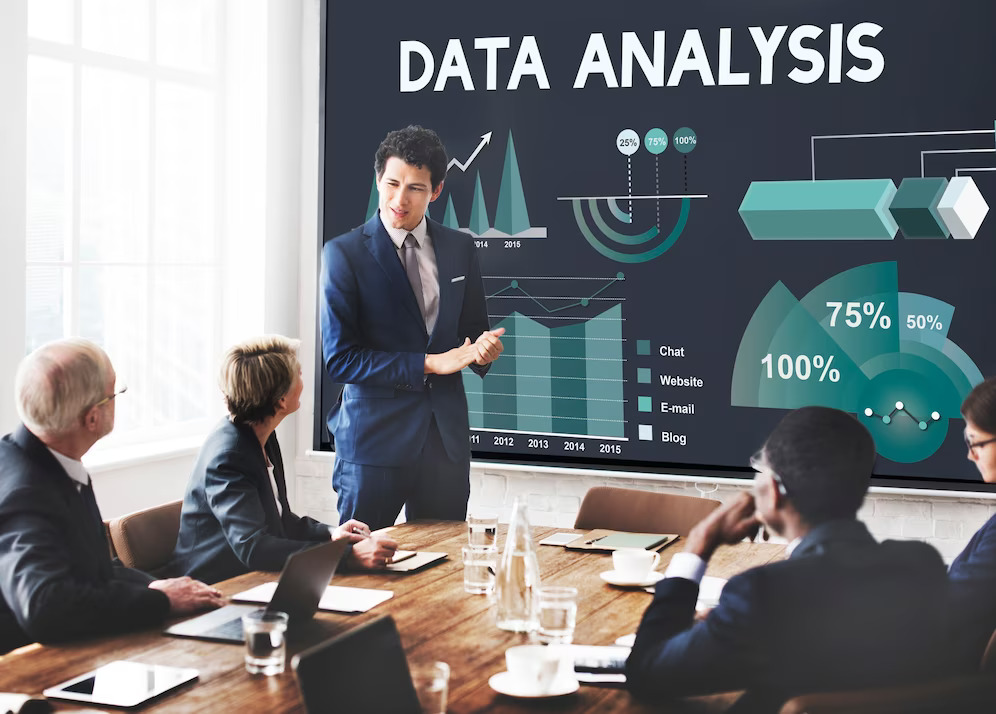
The realm of learning and development (L&D) greatly benefits from a data-driven approach. How? By enabling organizations to tailor training programs to their workforce’s actual needs.
Also, by analyzing skills gaps, learning preferences, and the impact of training initiatives, HR can design more effective and engaging L&D programs.
Moreover, this not only helps address current skill shortages but also prepares the workforce for future challenges.
This, in turn, ensures the organization remains competitive in a rapidly evolving business landscape.
Predictive Analytics In Employee Retention Strategies:
Predictive analytics transforms HR’s approach to employee retention by identifying potential turnover risks before they become critical.
By analyzing factors such as job satisfaction, employee engagement, and external market trends, HR professionals can predict which employees are at risk of leaving and why.
This foresight enables proactive measures for employee retention.
So, measures like targeted engagement initiatives, career development opportunities, and adjustments to work conditions reduce turnover and retain critical talent.
Navigating The Future With HR Analytics:
The future of HR lies in strategically integrating analytics across all facets of human resource management.
As organizations navigate the complexities of the digital age, the ability to harness data is immense.
This is especially effective for informing HR strategies, which becomes not just an advantage but a necessity.
Also, HR professionals must continuously evolve, but how? By adopting new analytics tools and techniques to stay ahead of workforce trends and maintain a competitive edge.
The Strategic Imperative Of Data-Driven HR Is Immense Currently!
The journey through the landscape of data-driven decision-making in HR uncovers a profound shift.
Moreover, the shift is more towards strategic, analytics-informed practices that enhance organizational effectiveness and employee satisfaction.
As HR continues to embrace the power of data analytics, it transforms from a support function into a strategic partner.
Also, it is now driving business success through informed decision-making and insightful strategies.
Additionally, integrating analytics into HR opens new avenues for innovation, efficiency, and strategic impact.
As we look to the future, the role of HR professionals will increasingly depend on their ability to leverage data to inform and guide HR strategies and initiatives.
Read Also:
- Giving The Gift Of Generosity: Unique Corporate Christmas Ideas
- 3 New Age Engineering & Construction Technology
- How Technology Is Disrupting The Construction Industry




Related Articles



Comments Are Closed For This Article