








The Future Of Logistics-As-A-Service (Laas): Pay-As-You-Go Supply Chains
7 Mins Read
Published on: 21 January 2026
Last Updated on: 07 May 2026
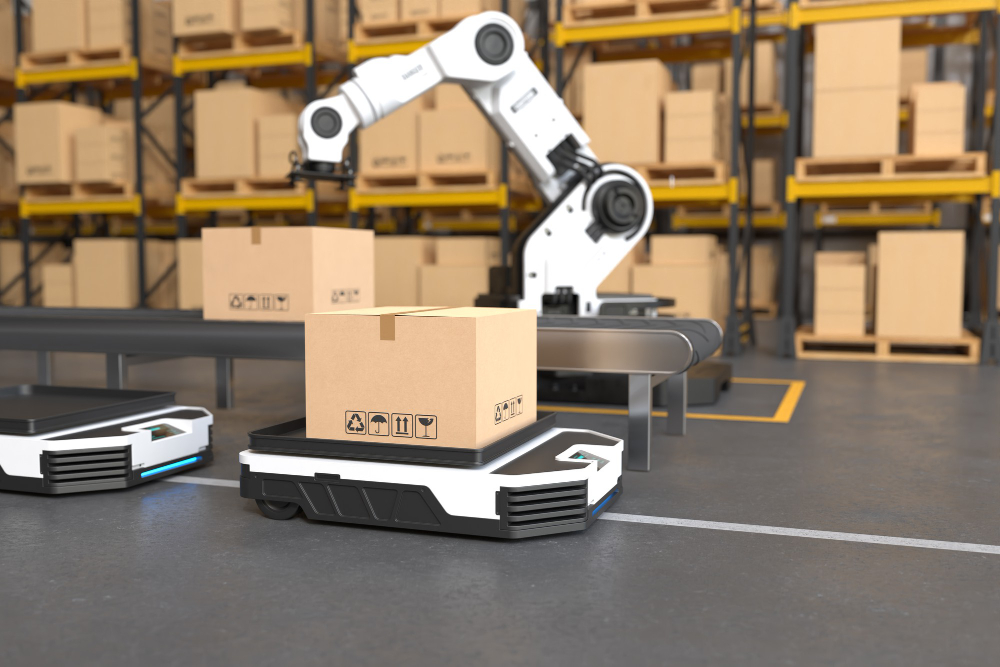
Imagine logistics as flexible and on-demand as cloud computing. That’s the promise of Logistics-as-a-Service (LaaS).
Instead of owning trucks, warehouses, and staff, businesses subscribe to logistics capabilities.
Under LaaS, companies “don’t own assets. They subscribe to capabilities:
- Storage
- Transport
- Returns
- Visibility
- Analytics
Additionally, all of these are delivered via digital interfaces and automated systems”.
In practice, this means sourcing warehousing, fulfillment, delivery, and even returns on a pay-as-you-go basis.
LaaS transforms the future of the logistics industry from a capital-heavy industry into a flexible, data-driven subscription ecosystem, where businesses pay for what they use.
What Exactly Is LaaS?
Logistics-as-a-Service means outsourcing the entire logistics lifecycle to third-party, tech-powered providers.
It’s more than hiring a courier or leasing a warehouse. With LaaS, a specialized platform handles everything from inventory management and order fulfillment to transportation and returns.
In practical terms, imagine plugging your online store into a logistics “app store.” Need storage in Texas? Ship items to California?
Handle customer returns? Instead of building your own network, you tap a LaaS provider’s network on demand.
Behind the scenes, software connects your orders, inventory, and shipping.
Cloud-based warehouse management systems (WMS) and transport management systems (TMS) coordinate stock and carriers.
Real-time tracking (via IoT/GPS) gives end-to-end visibility. Advanced analytics and AI forecast demand and optimize routes.
In sum, LaaS replaces upfront capital investment with an operating expense model.
It is a monthly fee or usage-based bill reflecting exactly what you use.
What Are The Trends Fueling The Future Of The Logistics Industry And The Growth Of Laas?
Several powerful trends are colliding to make LaaS not just possible, but necessary. These include:
- E-Commerce Boom And Consumer Demands:
Global e-commerce sales continue to skyrocket. So, this forces supply chains to be faster and more flexible.
One report forecasts retail e-commerce hitting $6.9 trillion, driving logistics to be “faster, more flexible, and more data-driven”.
Customers now expect fast shipping (often same-day) and full visibility.
In this climate, pay-as-you-go logistics lets businesses quickly scale capacity for promotions or peak seasons and meet customer expectations.
- Digital Platforms And Integration.
Modern cloud and API technologies make it easy to connect everything from:
- Online Stores (Shopify, Amazon)
- Shipping Carriers
- Warehouses
Real-time data (via IoT sensors, GPS trackers, and RFID) provides transparency. Additionally, this enables agile decisions.
With these tools, a LaaS platform can coordinate inventory efficiently.
Additionally, it also carries out all the orders and transportation automatically.
For example, many LaaS systems integrate directly with ERP or e-commerce systems via APIs, syncing orders and stock across the network. The result is a software-defined supply chain – truly logistics as a service.
- The Platform And Gig Economy Mindset.
Today’s labor and asset markets are embracing on-demand models. Companies use on-demand labor platforms for picking or delivery, and marketplaces for capacity.
This culture of “just-in-time” resources has spilled into the future of the logistics industry. So, all the businesses no longer feel locked into fixed fleets or full-time staff.
Many providers have shifted “by choice or necessity” to pay-per-use models.
Crowdsourced delivery (your neighbor delivering a package) and temporary warehouse staff (via apps) are examples.
The labor crunch and driver shortages in many markets also push firms toward flexible staffing via LaaS partners.
- Globalization And Cross-Border Trade.
As companies sell in new markets, they face complex global logistics. LaaS platforms are extending across borders.
Additionally, it often covers multiple countries with a single system.
Analysts point out that LaaS is especially valuable for firms requiring seamless international shipments.
Future LaaS networks will stitch together local hubs into unified cross-country systems. So, it will automatically handle:
- Customs
- Taxes
- Regulations
In fact, next-generation platforms are already piloting multi-country coordination, so demand spikes in one region trigger nearby warehouses to supply overflow.
- Cost Pressures And Risk.
In a volatile economy (inflation, tight labor markets, supply disruptions), companies look to cut fixed costs.
So, it is wise to outsource logistics via a LaaS provider. It can convert capital expenses into variable costs.
A recent study foundthat outsourcing logistics can save up to 10% on transportation spend. Plus, LaaS providers shoulder the headache of
- Staffing
- Maintenance
- Technology upgrades
- Environmental And Regulatory Pressures.
Governments and consumers are demanding greener supply chains. Shared logistics networks can reduce empty miles.
Upcoming regulations (like carbon reporting) will push more companies to adopt:
- Sophisticated routing
- Transportation networks
LaaS is well-poised for this: eco-routing algorithms and electric fleets can be centralized through the platform.
So, this makes sustainability a built-in feature.
These trends are the “perfect storm” driving LaaS adoption, such as:
- Explosive e-commerce
- Powerful cloud tech
- Shifting customer expectations
- ESG (environmental) requirements
In short, many experts say the future of supply chains is on-demand and connected.
Why Businesses (Especially SMEs And Ecommerce) Love Laas?
For companies big and small, LaaS brings clear benefits. Some key advantages include:
- Cost Efficiency And Capex Avoidance:
Instead of sinking millions into warehouses, fleets, or specialized software, companies pay only for what they use.
This lowers upfront capital needs. LaaS turns what once were fixed costs (warehouses, trucks, fulfillment systems) into variable, usage-based costs.
The result: freed-up capital can go into product development or marketing. At peak times (like holiday rushes), businesses simply “ramp up” their outsourced logistics and then scale back afterward.
In practice, this model has real savings. Also, the studies show transportation spend can be cut by up to 10% via strategic outsourcing.
- Scalability And Flexibility:
LaaS lets companies grow or shrink their logistics footprint almost instantly.
Need more warehouse space in another city or extra delivery drivers for a flash sale?
A LaaS platform can provide that by the day or week. Businesses no longer have to gamble on future demand.
This agility is ideal for seasonal patterns or sudden growth (think an unexpected viral product launch). Traditional logistics networks, by contrast, are rigid and slow to change.
- Access To Advanced Technology And Expertise:
Not every business can afford to build state-of-the-art logistics systems in-house.
LaaS providers invest in the following areas.
- Next-gen tech – TMS/WMS systems
- Automated sortation
- Real-time analytics
- Robotics.
For example, LaaS platforms often include smart warehouse management, automated route planning, and AI-driven forecasting.
By plugging into these platforms, even a small e-commerce startup gains real-time order tracking and inventory optimization.
Additionally, it also gets performance dashboards that would be prohibitively expensive to develop solo.
- Better Customer Experience:
Because LaaS relies on modern software and large networks, it can boost service quality.
Providers can give consumers real-time tracking, accurate ETAs, and a quick response to issues.
LaaS’s technology allows shippers to provide customers with real-time updates on their orders and accurately predict delivery times.
Higher accuracy in picking/packing and broad carrier networks also means fewer late or missing shipments.
In fact, accuracy and fulfillment quality improve markedly when logistics are handled by specialists. Happier end-customers drive repeat business.
- Global Reach Without Infrastructure:
Small and mid-sized companies (SMEs) especially benefit because they can leverage global logistics without building it.
By joining a LaaS network, a local business can access 3PL warehouses and carriers across countries seamlessly.
LaaS is especially valuable for SMEs looking to expand internationally. In practice, a domestic brand selling overseas can automatically route orders.
Of course, it can do so through foreign warehouses and couriers via the LaaS platform.
This makes it much easier than a task that would be complex and costly to replicate alone.
- Focus On Core Business.
Finally, outsourcing logistics lets companies focus on their strengths.
- Product
- Marketing
- Customer Care
Managing a complex supply chain requires specialized talent and attention.
A CEO of a small retailer can spend less time on truck schedules and more on product innovation by relying on LaaS experts.
In essence, LaaS frees internal teams from the headaches of warehousing and delivery logistics.
The Tech Powering LaaS
None of this would be possible without technology. LaaS is built on a stack of modern tools and platforms:
- Cloud-Based Platforms and Integrations:
- Warehouse Management Systems (WMS).
- Transportation Management Systems (TMS):
- API Integration and E-Commerce Connectors:
- Real-Time Tracking & IoT:
- Data Analytics and AI:
- Marketplace and Network Platforms.
The Future Of The Logistics Industry Explained
As we look forward, expect LaaS to integrate even more cutting-edge tech. Artificial intelligence will automate everything from demand forecasting to carbon-conscious routing.
Platforms will expand across borders, making international shipping as simple as domestic.
In short, logistics will become as modular and accessible as any other cloud service.
For businesses, that means focusing on their core products while leaving the complexity of moving goods to specialized, on-demand experts.
The result? Supply chains that are more resilient, sustainable, and responsive than ever before.




Related Articles



Comments Are Closed For This Article