








From Overhead To Opportunity: Rethinking Business Properties
8 Mins Read
Published on: 07 March 2026
Last Updated on: 04 May 2026
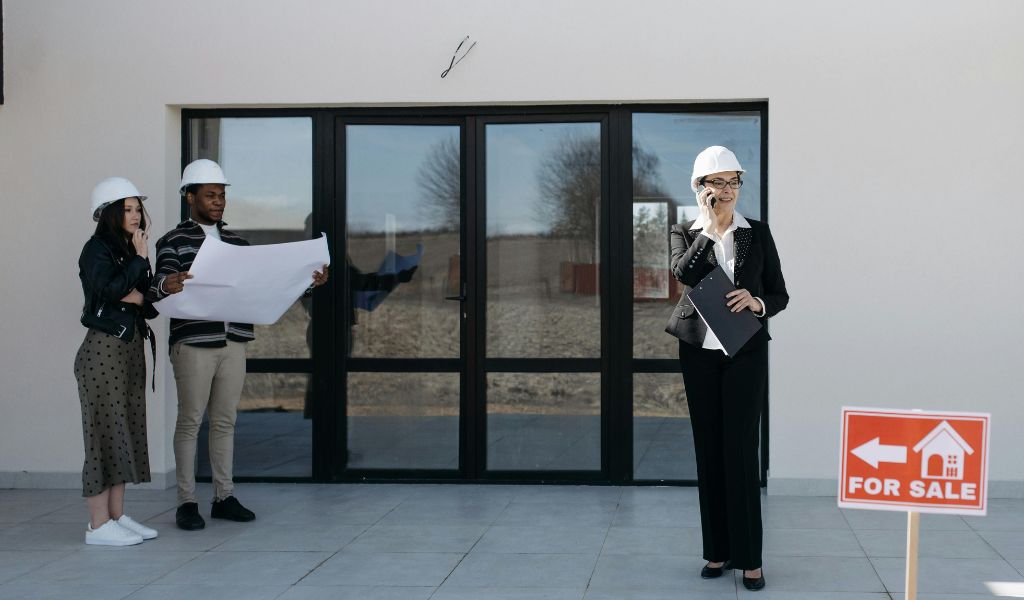
- Rethinking Business Property Management: From Overhead Costs To Strategic Assets
- 1. Why Thinking Of Properties As Just Overhead Holds You Back?
- 2. The Problem With Passive Business Property Management
- 3. How Inefficient Spaces Affect Business Performance?
- 4. The Cultural Impact Of Workplace Environments
- How Can You Start Using Properties As Strategic Tools?
- 1. Embracing Flexible Workspaces
- 2. Identifying Underused Areas
- 3. Improving Workflow Efficiency
- Creating Workspaces That Support People
- 1. The Psychological Impact Of Office Design
- 2. Encouraging Collaboration and Creativity
- 3. Supporting Employee Retention
- The Real Benefits: Operational And Financial Advantages
- 1. Increased Productivity
- 2. Predictable Maintenance And Lower Costs
- 3. Stronger Brand Perception
- 4. Reduced Everyday Frustrations
- Turning Your Spaces Into Growth Platforms
- 1. Designing For Adaptability
- 2. Encouraging Innovation
- 3. Making Small Improvements With Big Impact
- To Sum Up!
Have you ever stepped into your office, warehouse, or commercial space and just thought, “This is space we gotta pay for”? Most business owners and managers have had that exact thought at some point.
For years, companies treated their properties as something purely functional, a necessary expense that simply housed operations. Offices existed as the primary workplace for employees.
Warehouses served as storage facilities for inventory. Retail locations functioned as places to showcase products. That was it.
The current properties of commercial spaces need to be understood as beyond their physical structure which includes walls and roofs according to modern organizations that practice forward-thinking.
The layout and design together with business property management firm create an environment which affects organizational culture and employee work efficiency and brand image development.
A property which receives careful management actually enables business growth while it enhances operational efficiency and improves visitor experience.
Rethinking Business Property Management: From Overhead Costs To Strategic Assets
The organizations that exist today are beginning to change their thinking about commercial spaces.
The organizations now consider their commercial spaces strategic assets that create value by driving productivity, innovation, and business growth.
Your office, warehouse, and retail spaces function as separate operational systems because your business needs them as essential components.
Space usage will yield different results because space design, management, and operations determine how people work in the area.
The organizations that develop a strategic approach to their physical assets will gain business solutions that increase operational output, improve employee satisfaction, and boost brand recognition.
1. Why Thinking Of Properties As Just Overhead Holds You Back?
For decades, many organizations viewed commercial property as a simple line item on a financial spreadsheet.
Rent, utilities, maintenance, and repairs were considered unavoidable operating costs. The goal was usually to minimize these expenses without thinking too deeply about the broader impact of the space itself.
2. The Problem With Passive Business Property Management
This “cost-only” mindset creates a passive relationship with the workplace environment. When businesses only focus on paying for space rather than using it strategically, inefficiencies begin to appear.
Common issues include:
- Underutilized rooms that sit empty most of the time
- Awkward layouts that slow down workflows
- Poor storage organization
- Inefficient movement between departments
While these problems might seem minor, they can gradually reduce productivity and create unnecessary friction in daily operations.
3. How Inefficient Spaces Affect Business Performance?
The existence of empty spaces and hidden areas, together with ineffective building designs, results in businesses losing both time and financial resources.
Employees waste their valuable work time because they need to travel through disorganized workplaces to find equipment that should be located in accessible areas.
The combination of small operational inefficiencies creates major operational losses, which develop over time.
The development of a business through expansion or directional changes creates operational obstacles because of its poorly designed workspaces.
The team members face difficulties in their collaborative work because the current workspace design makes them feel both expensive and challenging to modify.
The workplace space, which should help the organization expand its operations, now acts as an obstacle to progress.
4. The Cultural Impact Of Workplace Environments
Another often overlooked factor is company culture. The design and atmosphere of your workplace influence how employees feel about their jobs.
The combination of an unmaintained small space that does not meet current standards creates a workplace environment which shows employees that their need for comfort and creative work areas are unessential.
The resulting motivational drop will create an immediate decline in staff member retention rates.
The first group of spaces that designers created for their users will become spaces that allow people to work together while they create new ideas.
Employees who feel comfortable and supported by their surroundings tend to perform better and contribute more actively.
How Can You Start Using Properties As Strategic Tools?
The good news is that transforming your workspace does not necessarily require expensive renovations or large construction projects. In many cases, small changes can unlock significant improvements.
1. Embracing Flexible Workspaces
Modern workplaces increasingly prioritize flexibility. Instead of assigning a single purpose to each room, businesses are designing multi-functional areas that can adapt to different needs.
Examples include:
- Meeting rooms that also serve as training spaces
- Break areas that double as casual collaboration zones
- Modular desks that allow teams to rearrange layouts easily
- Open areas designed for brainstorming sessions
Flexible environments make it easier to adjust operations when teams grow, projects change, or new departments are introduced.
2. Identifying Underused Areas
Many offices and warehouses contain hidden opportunities for improvement. A professional business property management team will help identify areas which people are not using properly.
- The conference room, which people use very infrequently, should be transformed into a project hub.
- The empty corner space should be developed into an area for team collaboration.
- Redesigning hallways will create better pathways for movement while decreasing traffic delays.
The space will function better through basic changes which include improved storage systems and enhanced lighting solutions.
3. Improving Workflow Efficiency
Strategic business property management requires organizations to improve their operational efficiency through better management of their operational processes.
Through their research of employee movement patterns between different building areas and their use of various building spaces, the managers discovered existing operational inefficiencies.
The following design modifications will improve operational efficiency:
- Redesigning warehouse layouts will eliminate extra walking pathways.
- Departments in the office should be arranged closer together to improve their communication abilities.
- The equipment and supplies should be kept in locations that users can reach without difficulty.
The individual changes which seem minor by themselves create an environment which operates at higher efficiency and productivity when combined together.
Creating Workspaces That Support People
Businesses are increasingly recognizing that workplace design influences employee well-being and performance.
1. The Psychological Impact Of Office Design
Think about how different spaces make you feel. The design of a bright, open room that provides comfortable seating options creates an atmosphere that enhances both creativity and teamwork.
The design of cramped spaces or poorly lit spaces creates conditions that lead to fatigue and frustration.
The implementation of comfort-oriented design solutions enables businesses to create workspaces that enhance employee satisfaction while increasing productivity.
2. Encouraging Collaboration and Creativity
The design of strategic spaces enables employees to interact in more authentic ways.
The workplace design enables employees to use open collaboration areas and informal meeting spaces, and dedicated quiet areas for concentrated work.
The organization achieves its goal of supporting multiple work patterns while fostering creative development through its balanced working environment.
3. Supporting Employee Retention
The workplace environment functions as a crucial factor that determines whether employees choose to remain with the company.
People naturally prefer to work in spaces where they feel comfortable, energized, and respected. The following changes.
- Firstly, better lighting
- Secondly, organized workstations
- Thirdly, comfortable break rooms
- Finally, relaxed collaboration zones
Therefore, the staff members see their workspace better because of these little changes. Your team’s daily life depends on these tiny aspects, which create their entire experience.
The Real Benefits: Operational And Financial Advantages
While better workspaces certainly improve comfort and aesthetics, the benefits go much deeper. Strategic business property management can deliver measurable operational and financial results.
1. Increased Productivity
When spaces are organized correctly, employees spend less time handling operational challenges.
Therefore, the work process advances more rapidly, staff communication becomes better, and teams dedicate their efforts to essential work tasks.
2. Predictable Maintenance And Lower Costs
The property management method that requires active maintenance provides better results because it decreases unplanned maintenance needs.
However, the combination of frequent inspections and scheduled maintenance activities allows all equipment, lighting systems, and infrastructure components to maintain their operational dependability.
Therefore, the system assists companies in preventing costly emergency maintenance needs and production downtime that results from operational interruptions.
3. Stronger Brand Perception
Your workspace functions as a communication tool that delivers information about your business to clients, partners, and visitors.
Meanwhile, professionalism and detailed work observation abilities are demonstrated through clean, organized spaces that remain properly maintained.
Therefore, even minor changes like an inviting reception space, effective lighting, and neat communal areas will affect how people view your brand.
4. Reduced Everyday Frustrations
The company experiences increased operational efficiency when its employees can work without facing any service interruptions.
However, the employees can dedicate their time to essential work instead of breaking their concentration to find equipment that is misplaced throughout the facility.
Although the organization experiences continuous productivity growth because of this process, which lasts throughout extended periods.
Turning Your Spaces Into Growth Platforms
Once businesses start viewing their properties as strategic tools rather than passive expenses, entirely new opportunities emerge.
1. Designing For Adaptability
Flexible environments allow companies to respond quickly to change. However, as teams expand or projects evolve, adaptable spaces can be rearranged without major disruptions.
Therefore, multi-purpose rooms, modular furniture, and open layouts allow workplaces to grow alongside the business.
2. Encouraging Innovation
Creative environments naturally inspire new ideas. Informal meeting areas, collaborative hubs, and flexible workspaces encourage employees to share insights and experiment with new solutions.
However, sometimes innovation simply needs the right environment to flourish.
3. Making Small Improvements With Big Impact
The most exciting part of this transformation is that it doesn’t require massive budgets.
Often, small improvements create the biggest results:
- Firstly, rearranging furniture to improve collaboration.
- Secondly, adding modular workstations.
- Thirdly, refreshing paint and lighting
- Finally, opening up underused areas.
Therefore, these adjustments can completely change how a workplace feels and functions. Over time, these small improvements accumulate into a powerful transformation.
To Sum Up!
In conclusion, you need to reevaluate your business property management assessment methods now.
The spaces of offices, warehouses, and commercial buildings serve as more than expenses to be paid or vacant areas to be maintained.
The strategic use of these spaces enables organizations to create highly effective environments that improve company culture and support their sustainable development work.
However, your organization can achieve greater operational efficiency and performance by adopting innovative space management approaches that replace traditional overhead costs.
An organization can achieve its business objectives by transforming standard workspaces into energetic business environments, which result from strategic space design, effective space management, and purposeful organizational changes.
Meanwhile, the usage of hallways, meeting rooms, and storage spaces now serves as an operational expense for your organization.
The spaces transform into assets that help your team achieve better teamwork, improved operational efficiency, and increased confidence as you progress towards your objectives.
Therefore, the success of your entire business operation depends on your properties as growth assets for your organization.




Related Articles


Comments Are Closed For This Article