








The Entrepreneur’s Hedge: Strategic “Tangible Commodity Market Entry” For Long-Term Wealth Preservation
28 February 2026
5 Mins Read
- Investing In Silver For Beginners: Key Considerations
- 1. Diversification:
- 2. Market Drivers:
- 3. Purity And Storage:
- The Business Of Preservation: Why Physical Assets Matter Now?
- Defining Your Tangible Commodity Market Entry:
- 1. Sovereign Minted Coins:
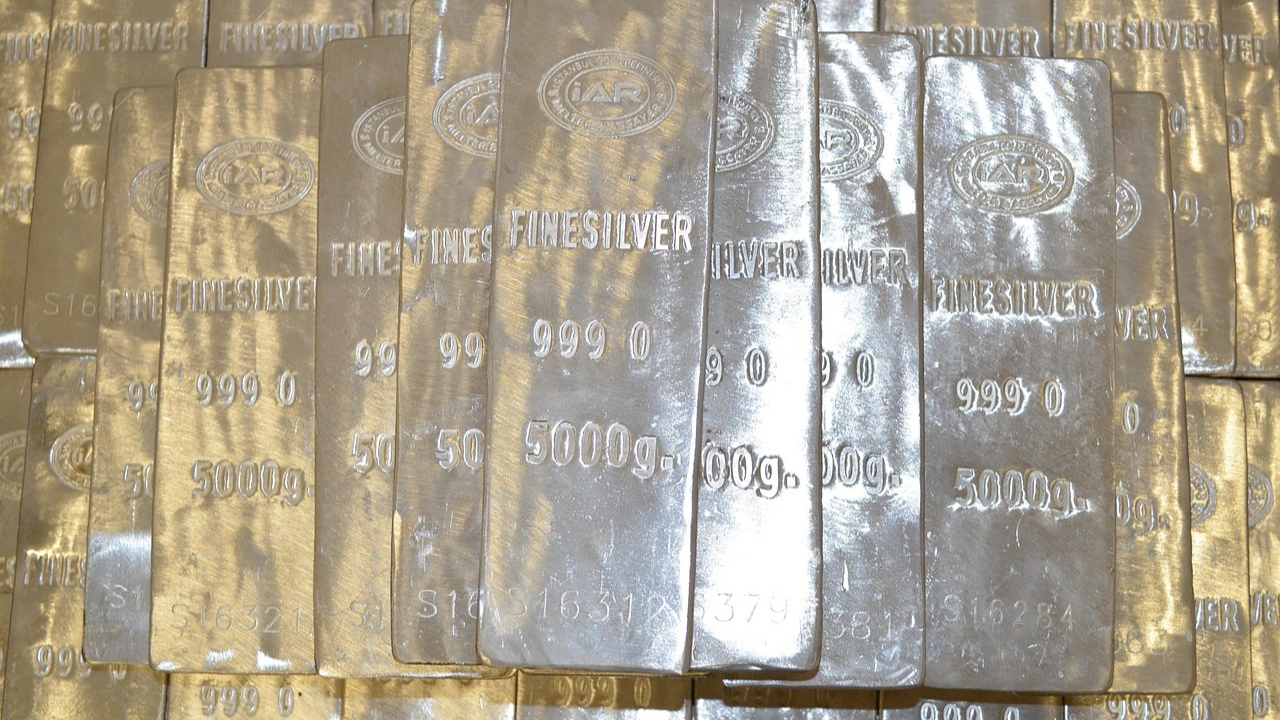
- 2. Investment-Grade Bars:
- Vetting The Source: Institutional Reliability
- The Logistics Of Security: Storage And Insurance
- Tier 1: High-Access Home Security
- Tier 2: Third-Party Bonded Vaulting
- Tier 3: Safe Deposit Boxes
- The Liquidity Factor: When And How To Exit?
- Investing In Silver? Start Treating Wealth With Strategic Rigor:
Today’s topic: Investing in Silver for beginners.
In the modern business landscape, agility and digital transformation are often the primary focuses of growth.
Yet, for the savvy entrepreneur, the most significant risk to a business’s longevity isn’t always a competitor or a technological shift; it is the systemic erosion of purchasing power.
As fiscal policies fluctuate and digital currencies face unprecedented volatility, the “Smart Business” mindset is shifting toward assets that exist outside the traditional credit-based ledger.
For business owners and professionals looking to harden their personal and corporate reserves, a focused Tangible Commodity Market Entry represents more than just a purchase.
It is a strategic defensive play. This guide serves as the foundational blueprint for those ready to transition from purely paper-based wealth to the high-density security of physical assets.
Investing In Silver For Beginners: Key Considerations
If you are new to the investment landscape, you can start with investing in silver – it’s your best shot. Moreover, the best way to approach it would be via digital methods like:
- FoF or Fund of Funds.
- Silver ETFs or Exchange Traded Funds.
- Digital Platforms for Silver.
FYI, digital platforms for silver will allow you to purchase a small quantity of silver without insurance, storage, or purity problems.
Moreover, the options I’ve mentioned above are all known for offering high liquidity, easy tracking with your Demat account, and 99.9% purity assurance.
On that note, the key considerations you need to make before investing in silver are as follows:
1. Diversification:
Look at silver as something small but long-term allocation for your portfolio.
For example, silver should take up 5 to 10% of your portfolio. Also, avoid treating silver as a major investment since it is much more volatile compared to Gold.
2. Market Drivers:
The prices of silver are usually driven by two factors primarily: industrial use and investor demand. Moreover, silver also acts as a sort of hedge against rising inflation.
3. Purity And Storage:
While investing, you should explore digital options. Why? Digital options usually eliminate the primary risk of storage and purity issues.
So, with digital investments, you don’t need to worry about storing a physical item.
The Business Of Preservation: Why Physical Assets Matter Now?
Every business owner understands the importance of a “cash reserve.” However, in an inflationary environment, a stagnant cash reserve is a depreciating asset.
To counter this, elite strategists are utilizing physical commodities—specifically silver—as a “hard” reserve.
Unlike digital accounts, physical assets carry no counterparty risk.
Nobody can “hack” them, and the government cannot freeze them. Also, no central bank can dilute them by pushing a button.
For an entrepreneur, this provides a level of sovereign security that is essential for long-term “Anti-Fragile” planning.
Defining Your Tangible Commodity Market Entry:
Entering the precious metals market requires a different analytical framework than buying stocks or crypto.
For a beginner, the primary goal should be Portfolio Hardening rather than high-frequency trading.
When planning your Tangible Commodity Market Entry, you must choose between two primary “hardware” formats:
1. Sovereign Minted Coins:
Government mints, such as the United States Mint and the Royal Canadian Mint, produce these coins.
They carry a face value and offer the highest levels of liquidity and trust. More importantly, these are easily recognizable across the globe.
2. Investment-Grade Bars:
For the business owner looking to move larger amounts of capital efficiently, bullion bars offer lower “premiums” (the cost above the spot price).
This allows for maximum metal accumulation per dollar invested.
For a beginner investing in silver or something similar, a “Modular Strategy” is often best: 70% in high-liquidity coins for accessibility and 30% in bars for cost-efficiency.
Vetting The Source: Institutional Reliability
In business, your supply chain is only as strong as your most reliable vendor. The same applies to precious metals.
A common beginner mistake is chasing the “lowest price” on auction sites or unverified platforms, which often leads to counterfeit risks or exorbitant shipping delays.
A professional entry strategy involves identifying an exchange that offers:
- Real-Time Transparent Pricing: The ability to see the “live spot” price and the exact premium being charged.
- Insured Delivery Protocols: Ensuring that the transition of wealth from the exchange to your vault is fully bonded and risk-free.
- Buy-Back Guarantees: A reputable source should always be willing to provide a liquid exit strategy, standing ready to buy back the assets they sell.
The Logistics Of Security: Storage And Insurance
Once you have executed your Tangible Commodity Market Entry, the next business-critical decision is storage.
There are three primary tiers of security for a beginner to consider:
Tier 1: High-Access Home Security
Utilizing a Class 3-rated safe, bolted to a concrete foundation.
This offers the highest level of immediate liquidity but requires the most stringent personal OPSEC (Operational Security).
Tier 2: Third-Party Bonded Vaulting
For those who prefer not to manage physical security, many exchanges offer “allocated” storage.
Your metal is held in a high-security facility, fully insured, and segregated from the exchange’s own assets.
Tier 3: Safe Deposit Boxes
While safe deposit boxes are traditional, experts are increasingly viewing these as a “middle-ground” with varying levels of accessibility.
This becomes visible when you compare these with private bullion vaults.
The Liquidity Factor: When And How To Exit?
A smart business owner always has an exit strategy.
One of the greatest advantages of physical commodities is their universal recognition. Unlike a specialized piece of machinery or a niche real estate holding, silver is a “global currency.”
When the time comes to reallocate capital—perhaps to fund a new business venture or a real estate acquisition—the physical stack can be liquidated quickly through the same reputable exchanges used for the initial entry.
Because you focused on Tangible Commodity Market Entry with recognized, high-purity products, your “Proof of Work” is already done; the market recognizes your asset’s value instantly.
Investing In Silver? Start Treating Wealth With Strategic Rigor:
The transition from a “beginner” to a “sovereign investor” happens the moment you stop viewing your savings as just numbers on a screen and start viewing them as physical energy stored for the future.
By applying the same strategic rigor to your wealth that you apply to your business operations, you ensure that your hard-earned success is not just temporary, but durable.
A focused Tangible Commodity Market Entry is the first step in building a financial fortress that can weather any economic storm.
In the grand “Reflexive Mesh” of global finance, the winners are those who hold the tangible “Master Copy” of their value. Start building yours today.
Read Also:




Related Articles


Comments Are Closed For This Article