








How Can Local Movers Simplify A Move? A Comprehensive Overview
5 Mins Read
Published on: 17 April 2025
Last Updated on: 03 September 2026

- How Local Movers Can Make Moving Easier?
- 1. Saves Time And Reduces Physical Work:
- Helpful When You Have A Tight Schedule:
- 2. Handles Heavy And Fragile Items Safely:
- Ask About Valuation And Insurance:
- 3. Make Local Logistics Easier:
- 4. Provide More Flexible Moving Options:
- 5. Make Business Relocations Easier:
- 6. Give You One Less Task To Manage:
- Why Choose Local Movers For A Seamless Moving Experience?
- How To Choose The Right Local Mover?
- Make Your Next Move More Manageable:
Moving to a new home or relocating a business involves more than transporting boxes. You have to organize belongings, coordinate schedules, protect fragile items, arrange transportation, and make sure everything reaches the new location safely.
Trying to manage all of these tasks yourself can quickly become overwhelming. Moreover, local moving companies can take care of much of the physical work and help coordinate the logistics of a move within their service area.
Their value isn’t simply that they have a truck and a team of movers.
A professional moving company can help you plan the move, handle heavy or fragile items, work around scheduling constraints, and reduce the amount of time you spend managing transportation.
On that note, here are some of the ways local movers can make a residential or business move easier.
How Local Movers Can Make Moving Easier?
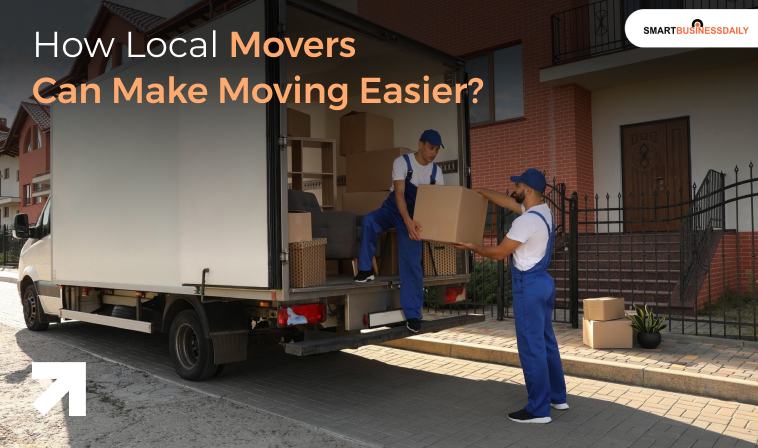
Moving from one place to another requires lots of effort at times. But with moving companies taking the helm, it becomes easier.
Also, the best part about local movers is that they employ people who are familiar with the cityscape and possess a constant presence of mind to navigate through the narrow streets.
On that note, here’s how local movers can make moving a seamless experience.
1. Saves Time And Reduces Physical Work:
Packing, lifting, loading, transporting, and unloading belongings can take considerably longer than expected. This is especially challenging when you’re balancing a move with work, childcare, or other responsibilities.
Professional movers can handle much of the physical work involved. Depending on the company and service you choose, they may also offer packing, furniture disassembly, loading, unloading, and unpacking services.
This allows you to focus on other parts of the transition, such as arranging utilities, completing paperwork, cleaning your old property, or preparing your new home.
Helpful When You Have A Tight Schedule:
A professional moving team can be particularly useful when you have a limited window between leases or a fixed closing date.
Before booking, confirm the company’s availability and ask how long it expects the move to take. Also, getting these details in writing can help you plan the rest of your schedule.
2. Handles Heavy And Fragile Items Safely:
Large furniture and fragile belongings can be difficult to move without the right equipment or experience.
Professional movers may use equipment such as furniture dollies, moving blankets, straps, ramps, and specialized packing materials to reduce the risk of damage.
That doesn’t mean every moving company will handle your belongings in the same way. Before hiring one, ask how it protects fragile or high-value items and what happens if something is damaged.
Ask About Valuation And Insurance:
Moving companies may offer different forms of liability or valuation coverage, and the rules vary depending on where you live and the type of move.
Don’t assume that your belongings are automatically covered for their full replacement value. Also, ask the mover to explain its coverage, exclusions, claims process, and any additional protection available before you sign the contract.
3. Make Local Logistics Easier:
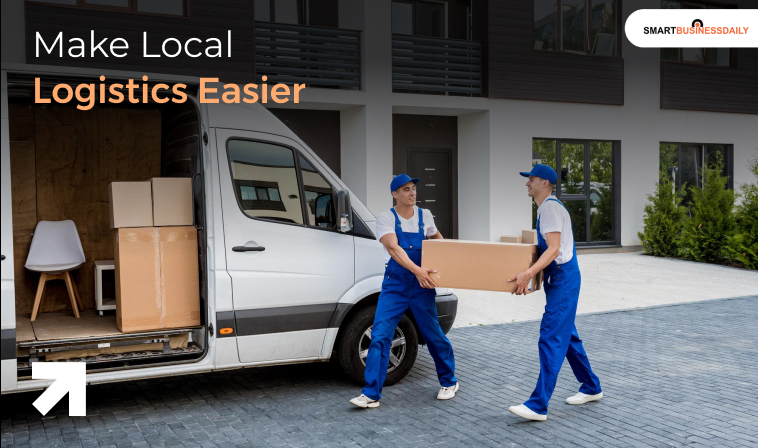
Local moves can involve practical challenges that aren’t obvious until moving day.
You may need to deal with narrow streets, limited parking, loading zones, building access restrictions, elevators, stairs, or specific delivery windows.
A mover who regularly works in the area may already be familiar with some of these logistical challenges. However, you should still provide accurate information about both properties before receiving an estimate.
So, you should consider telling the company about:
- Stairs or elevators
- Long walking distances from the truck to the entrance
- Parking restrictions
- Large or unusually heavy items
- Building access requirements
- Preferred pickup and delivery times
Providing these details early can help the mover plan the job more accurately.
4. Provide More Flexible Moving Options:
Not every move can be completed in a single day.
You may need to move furniture first, store some belongings temporarily, or coordinate delivery with a property closing. Moreover, some moving companies offer additional services that can accommodate these situations.
Depending on the provider, options may include:
- Furniture-only moves
- Partial moves
- Packing and unpacking
- Temporary storage
- Scheduled pickup and delivery
- Large-item transportation
Also, availability varies by company, so ask about these services before booking.
5. Make Business Relocations Easier:
Moving a business presents different challenges from moving a household. Employees, equipment, files, furniture, technology, and inventory may all need to be relocated without causing unnecessary disruption.
A commercial moving company can help businesses plan the physical relocation and coordinate the transportation of office equipment and other items.
For a business move, consider asking about:
- After-hours or weekend moving
- Equipment handling
- Packing and labelling
- Staged relocation
- Temporary storage
- Protection of sensitive documents
- Coordination with building management
- Estimated downtime
A detailed moving plan can help reduce disruption to normal operations.
6. Give You One Less Task To Manage:
Moving involves dozens of small decisions. You need to decide what to keep, what to discard, what to pack first, and how everything will reach the new location.
Hiring professional movers doesn’t eliminate every moving task, but it can remove much of the transportation and heavy-lifting workload.
Also, that can make the transition easier to manage, particularly when you’re already dealing with work, family responsibilities, or the administrative tasks that come with changing locations.
Why Choose Local Movers For A Seamless Moving Experience?
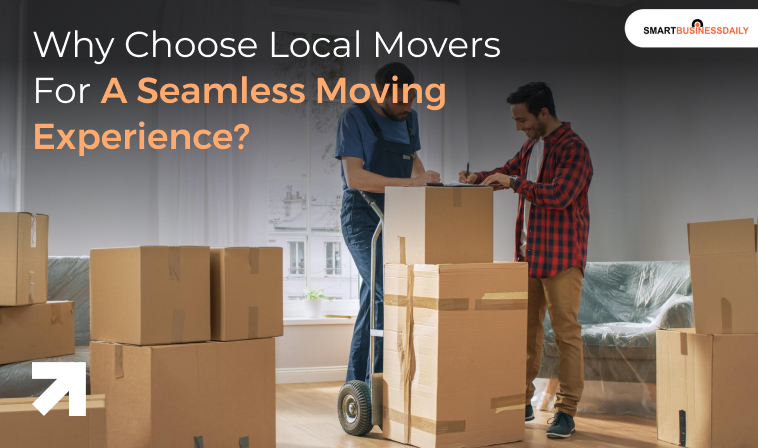
Working with a local mover can offer practical advantages, particularly for moves within the company’s service area.
A local provider may be easier to contact directly, and its familiarity with the area can be useful when planning routes, access, parking, and scheduling.
However, don’t assume that every local mover offers better service than a national company. The quality of a moving company depends on its experience, equipment, staff, pricing, insurance or valuation coverage, and customer-service practices.
Instead of choosing a mover simply because it is local, compare companies based on the services and protections they provide.
How To Choose The Right Local Mover?
Before booking a moving company, compare several providers if possible. As a result, look for:
- Clear written estimates
- Transparent pricing and additional fees
- Appropriate licensing or registration
- Proof of insurance or details of valuation coverage
- Positive and recent customer reviews
- A clear cancellation policy
- A documented claims process
- Experience with your type of move
- References or recommendations when available
Ask the mover to explain anything you don’t understand before signing a contract.
Be particularly cautious of estimates that seem unusually low without a clear explanation. A cheap initial quote can become more expensive if additional services or fees are added later.
Make Your Next Move More Manageable:
A move will always require some planning, but you don’t have to handle every physical and logistical task yourself.
Local movers can help with packing, lifting, transportation, scheduling, and other parts of the relocation process. For businesses, they can also help coordinate equipment and furniture moves while limiting disruption to daily operations.
Moreover, the key is to choose a mover based on more than location. Compare its services, pricing, experience, coverage, and contract terms so you know what you’re paying for before moving day.
With the right preparation and a reliable moving team, relocating can become less about managing logistics and more about settling into your next home or getting your business up and running in its new location.
Read Also:




Related Articles



Comments Are Closed For This Article