








Top 20 Restaurant Franchises To Consider In 2026
10 Mins Read
Published on: 02 March 2024
Last Updated on: 30 September 2026
- Top 20 Restaurant Franchises in 2026:
- 1. Chick-Fil-A:
- 2. McDonald's:
- 3. Taco Bell:
- 4. Crumbl Cookies:
- 5. Culver’s:
- 6. Dunkin:
- 7. Wendy’s:
- 8. Del Taco:
- 9. Freddy’s:
- 10. Zaxby's:
- 11. Arby's:
- 12. Whataburger:
- 13. Jimmy John's:
- 14. Moe's:
- 15. Wingstop:
- 16. KFC:
- 17. Burger King:
- 18. Subway:
- 19. Checkers & Rally's:
- 20. Pizza Hut:
- How Should You Choose A Restaurant Franchise?
- 1. Total Investment:
- 2. Franchisee Requirements:
- 3. Location And Territory:
- 4. Ongoing Fees:
- 5. Training And Support:
- 6. Franchisee Feedback:
- 7. The Franchise Disclosure Document:
- Are Restaurant Franchises A Good Business Investment?
- Final Takeaway:
Opening a restaurant from scratch means figuring out almost everything yourself: the concept, menu, suppliers, branding, operating processes, hiring, marketing, and customer experience. But restaurant franchises can give you a different starting point.
You are buying into an established business model, but you are also agreeing to follow the franchisor’s systems, standards, and operating requirements.
That makes the choice of franchise important.
The right question is not simply, “Which restaurant franchise is the best?” A better question is, “Which franchise fits my budget, experience, location, and way of running a business?”
The 20 restaurant franchises below cover several categories, including burgers, chicken, sandwiches, Mexican food, pizza, coffee, desserts, and fast-casual dining. Use them as a starting point for your research rather than as a definitive ranking.
Top 20 Restaurant Franchises in 2026:
In this section, I’ve listed the top 20 restaurant franchises that you need to consider right now, considering you are in the hospitality industry and planning to get into the franchise scene soon.
1. Chick-Fil-A:
Initial Franchise Fees: $10,000
Estimated Total Investment: $342,990 to $1,982,225.
Chick-fil-A is one of the most recognizable names in the US quick-service restaurant market. Its menu centers on chicken sandwiches, nuggets, breakfast items, sides, and beverages.
The original source lists an initial franchise fee of $10,000 and an estimated total investment ranging from $342,990 to $1,982,225. These figures should be checked against the brand’s current franchise documentation before making any financial decision.
One important point for prospective operators is that franchise cost is only part of the equation. You also need to understand the company’s ownership structure, operator requirements, training, ongoing fees, and territory availability.
2. McDonald’s:
Initial Franchise Fees: $45,000
Estimated Total Investment: $1,366,000 to $2,450,000
McDonald’s is one of the world’s best-known restaurant brands, with a business model built around standardized operations and a broad menu of burgers, chicken, fries, breakfast items, and beverages.
The source article lists a $45,000 initial franchise fee and an estimated total investment of $1.366 million to $2.45 million.
For a prospective franchisee, the attraction is not simply brand recognition. McDonald’s also has established operating systems and franchise training. The larger investment, however, means that financing, real estate, operating costs, and expected sales need careful analysis.
3. Taco Bell:
Initial Franchise Fees: $25,000 and $45,000
Estimated Total Investment: $576K – $3.4M
Taco Bell focuses on Mexican-inspired quick-service food, including tacos, burritos, bowls, quesadillas, and other customizable menu items.
The source lists initial franchise fees of $25,000 to $45,000 and an estimated total investment of approximately $576,000 to $3.4 million.
The wide investment range is worth paying attention to. Restaurant format, location, construction, equipment, and property requirements can have a major effect on the total amount required.
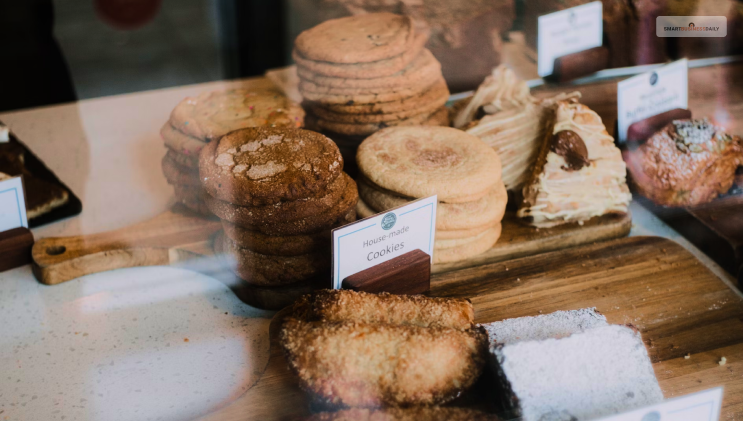
4. Crumbl Cookies:
Initial Franchise Fees: $50,000
Estimated Total Investment: $286,000 – $1,245,000
Crumbl is different from the traditional burger or fast-food restaurant model. Its core offering is cookies, with a rotating menu designed to encourage customers to try different flavors.
The source lists a $50,000 initial franchise fee and an estimated total investment of $286,000 to $1.245 million.
A dessert-focused concept may appeal to entrepreneurs who want a smaller menu and a business built around a specific product category. But the same questions still apply: How much local demand exists? What are the expected margins? How much working capital will the business need?
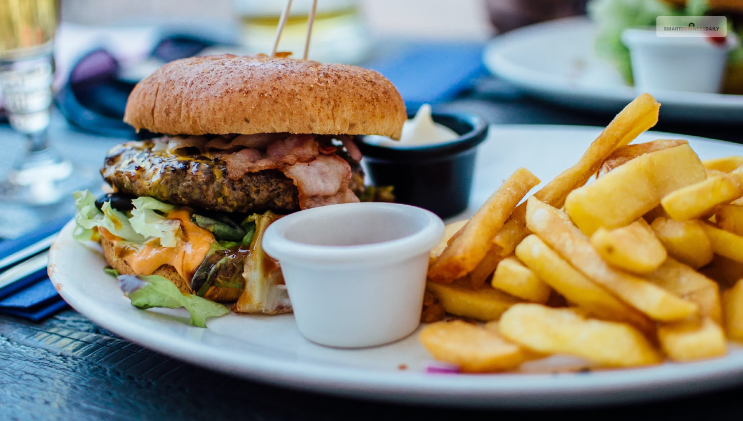
5. Culver’s:
Initial Franchise Fees: $55,000
Estimated Total Investment: $2,043,000 to $4,652,000
Culver’s is known for butter burgers, frozen custard, cheese curds, and other American fast-food offerings.
The source lists a $55,000 initial franchise fee and an estimated total investment of $2.043 million to $4.652 million.
That puts the concept toward the higher end of the investment ranges in this list. Anyone considering it should therefore look closely at financing requirements, site costs, staffing, projected sales, and the amount of working capital required after opening.
6. Dunkin:
Initial Franchise Fees: $40,000 to $90,000
Estimated Total Investment: $526,900 to $1,787,700
Dunkin’ combines coffee, baked goods, breakfast items, and other quick-service products. The brand has a long history in the US and has expanded internationally.
The original article lists franchise fees between $40,000 and $90,000 and an estimated total investment between $526,900 and $1,787,700.
For a coffee and breakfast concept, location can be especially important. Morning traffic, commuter patterns, nearby offices, residential density, parking, and drive-through access can all influence the potential of a particular site.
7. Wendy’s:
Initial Franchise Fees: $50,000
Estimated Total Investment: $1,893,850 – $3,689,350
Wendy’s is another major burger chain, recognized for its square hamburgers, chicken products, fries, breakfast offerings, and Frosty desserts.
The source lists a $50,000 initial franchise fee and an estimated total investment of $1,893,850 to $3,689,350.
The relatively high investment range highlights why prospective franchisees should evaluate the economics of the individual location rather than relying on the strength of the brand alone.
8. Del Taco:
Initial Franchise Fees: $35,000
Estimated Total Investment: $812,700 – $2,467,500
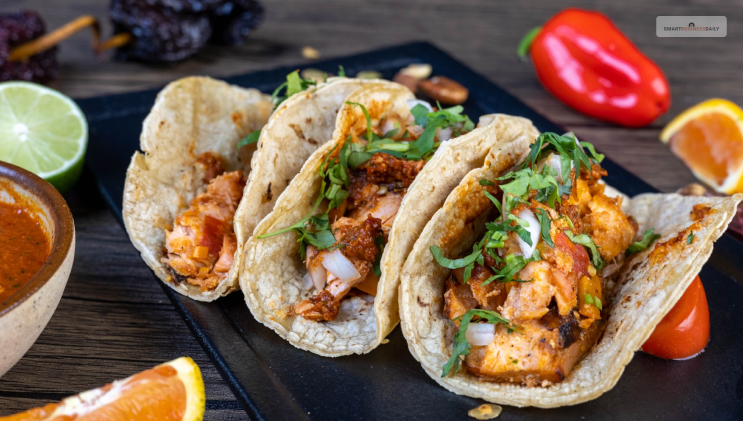
Del Taco combines Mexican-inspired food with traditional American fast-food items. Its menu includes tacos, burritos, burgers, fries, and other quick-service options.
The source lists a $35,000 initial franchise fee and an estimated investment of $812,700 to $2,467,500. It also notes that Jack in the Box acquired Del Taco in 2022.
Before investing, check the current ownership structure, franchise requirements, territory availability, and financial terms directly with the franchisor.
9. Freddy’s:
Initial Franchise Fees: $30,000
Estimated Total Investment: $794,254-$2,439,105
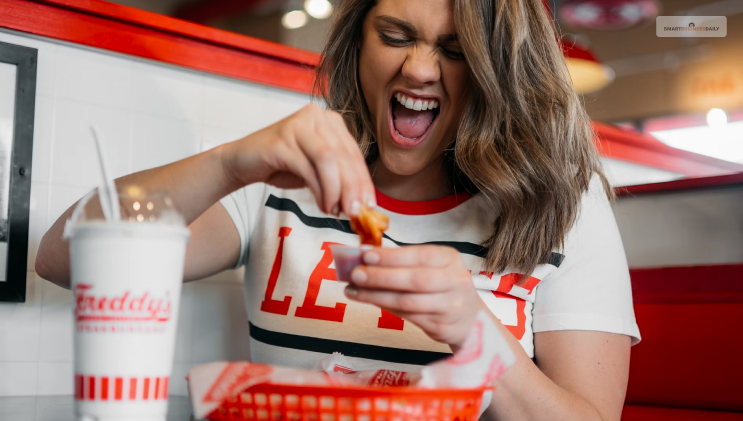
Freddy’s is a fast-casual restaurant concept centered on steakburgers, hot dogs, fries, and frozen custard.
The source lists a $30,000 initial franchise fee and an estimated total investment of $794,254 to $2,439,105.
The concept may appeal to franchisees who want a focused menu built around burgers and frozen desserts. As with any restaurant investment, however, the local market and operating economics matter more than the menu alone.
10. Zaxby’s:
Initial Franchise Fees: $35,000
Estimated Total Investment: $1,391,700 and $3,266,200
Zaxby’s focuses on chicken, with menu items including chicken fingers, wings, sandwiches, salads, and sides.
The source lists a $35,000 initial franchise fee and an estimated investment of $1,391,700 to $3,266,200.
The brand has historically had a strong presence in the Southeastern US. Prospective franchisees should check whether the company is currently awarding franchises in their target territory before making plans around a particular location.
11. Arby’s:
Initial Franchise Fees: $37,500
Estimated Total Investment: $336,500 to $927,900
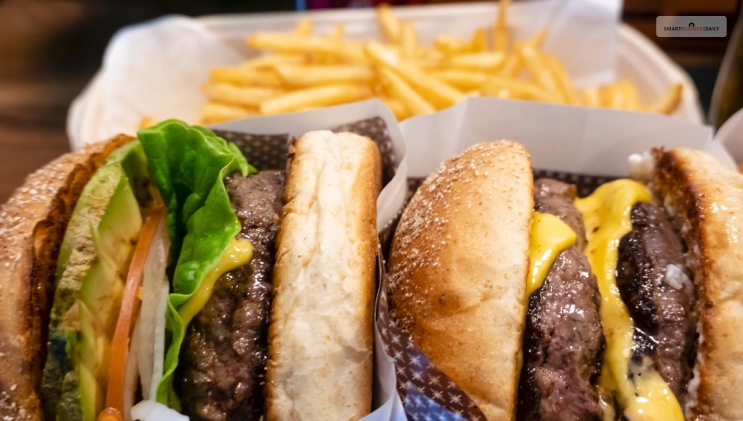
Arby’s has built its identity around sandwiches, particularly roast beef and other meat-based offerings.
The source lists a $37,500 initial franchise fee and an estimated total investment of $336,500 to $927,900.
For an entrepreneur interested in the sandwich category, Arby’s offers a different proposition from brands focused primarily on burgers or chicken. The key consideration is whether the concept fits the local customer base and available real estate.
12. Whataburger:

Initial Franchise Fees: $40,000
Estimated Total Investment: $1.2 million
Whataburger began in Corpus Christi, Texas, and has built its brand around large burgers and a broad quick-service menu.
The source lists a $40,000 initial franchise fee and an estimated investment of around $1.2 million.
Its history and strong regional identity may make it attractive to operators familiar with its core markets. However, franchise availability and territory requirements should be confirmed before treating the brand as an option for a particular location.
13. Jimmy John’s:
Initial Franchise Fees: $35,000
Estimated Total Investment: $515,000
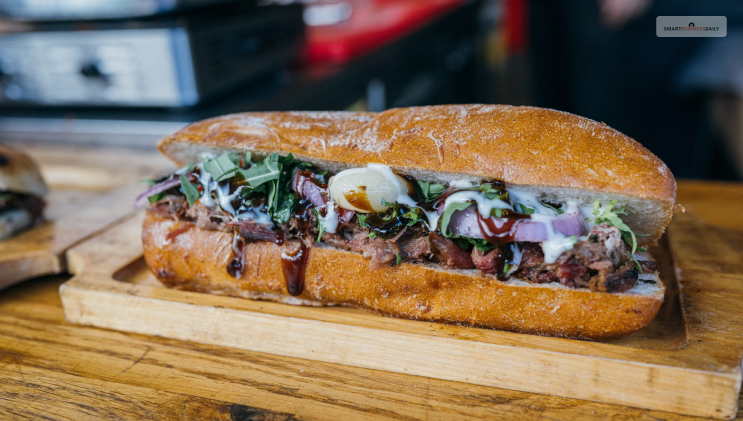
Jimmy John’s is a sandwich-focused restaurant brand offering sandwiches, sides, drinks, and other quick-service items.
The source lists a $35,000 initial franchise fee and an estimated total investment of about $515,000.
Sandwich franchises can have different operating requirements from larger full-menu restaurants. Before investing, look at food costs, labor requirements, delivery demand, store size, and the competitive landscape in your area.
14. Moe’s:
Initial Franchise Fees: $30,500
Estimated Total Investment: $474,900 – $1,109,840
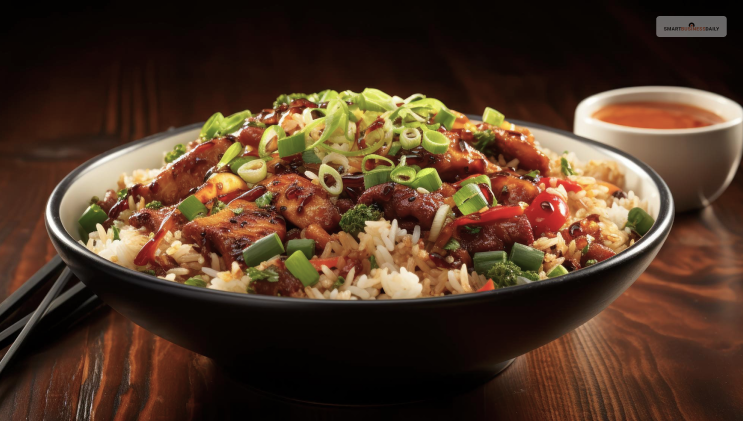
Moe’s Southwest Grill focuses on Mexican-inspired fast-casual food, including burritos, tacos, bowls, nachos, quesadillas, and salads.
The source lists a $30,500 initial franchise fee and an estimated total investment of $474,900 to $1,109,840.
The customizable menu gives the concept a broad product range, but prospective franchisees should still examine local demand and competition from both other franchises and independent Mexican restaurants.
15. Wingstop:
Initial Franchise Fees: $20,000
Estimated Total Investment: $346,775 to $733,249
Wingstop is built around chicken wings, tenders, fries, and a selection of sauces and seasonings.
The source lists a $20,000 initial franchise fee and an estimated total investment of $346,775 to $733,249.
A focused menu can simplify some aspects of restaurant operations, but a franchisee still needs to account for food costs, labor, delivery orders, rent, equipment, and local competition.
16. KFC:
Initial Franchise Fees: $45,000
Estimated Total Investment: $1.2 to $2.5 million
KFC is one of the world’s best-known chicken restaurant brands. Its history goes back to Colonel Harland Sanders and the restaurant’s early operations in Kentucky.
The source lists a $45,000 initial franchise fee and an estimated investment of $1.2 million to $2.5 million. It also describes the brand’s large international footprint and franchise-heavy operating model.
For someone considering KFC or similar restaurant franchises, the important questions extend beyond brand recognition. Territory availability, restaurant format, capital requirements, operating experience, and the franchisor’s current franchise terms all deserve attention.
17. Burger King:
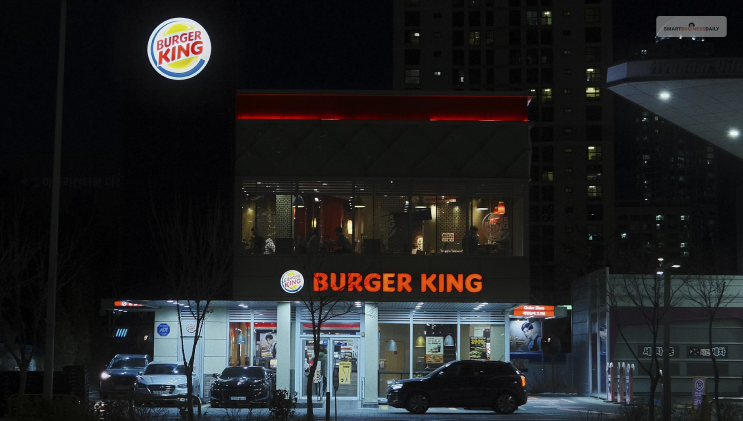
Initial Franchise Fees: $50,000,
Estimated Total Investment: $316,100 and $2,660,600
Burger King is a global burger chain known for its flame-grilled burgers and other quick-service menu items.
The source lists a $50,000 initial franchise fee and an estimated total investment of $316,100 to $2,660,600.
The large investment range is a reminder that there is no single cost for opening a franchise location. Real estate, construction, equipment, store format, and local conditions can substantially change the final figure.
18. Subway:
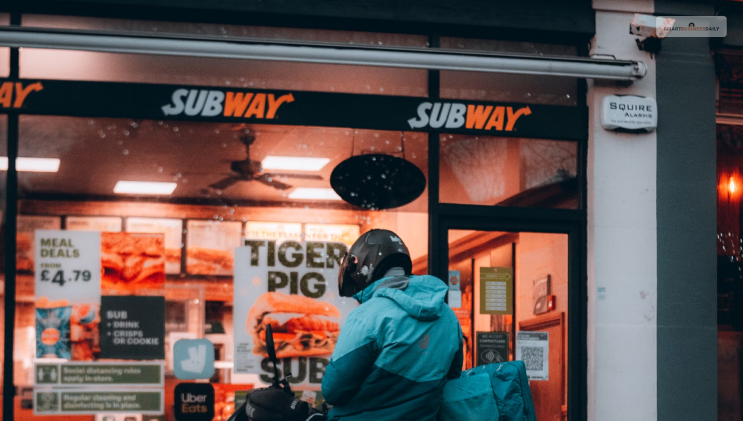
Initial Franchise Fees: $10,000 – $15,000
Estimated Total Investment: $229,050 – $522,300
Subway focuses primarily on sandwiches, wraps, salads, and other quick-service food.
The source lists initial franchise fees of $10,000 to $15,000 and an estimated total investment of $229,050 to $522,300.
Its smaller-format restaurant model can make it worth researching for entrepreneurs interested in the sandwich category. That does not automatically make it a good fit for every market, though. Local competition, rent, traffic, staffing, and expected sales still need to be assessed.
19. Checkers & Rally’s:
Initial Franchise Fees: $30,000
Estimated Total Investment: $751,117 – $2,125,751
Checkers & Rally’s is a drive-through-focused burger restaurant brand. The two brands came together after Checkers acquired Rally’s in 1999.
The source lists a $30,000 initial franchise fee and an estimated investment of $751,117 to $2,125,751.
Because the concept is strongly associated with drive-through service, site selection deserves particular attention. Traffic flow, accessibility, visibility, parking, and the surrounding trade area can all affect the viability of the location.
20. Pizza Hut:

Initial Franchise Fees: $25000
Estimated Total Investment: $367,000 – $2,063,500
Pizza Hut is one of the best-known pizza restaurant franchises, with a business that spans dine-in, carryout, and delivery formats.
The source lists a $25,000 initial franchise fee and an estimated investment of $367,000 to $2,063,500.
The wide investment range again shows why franchise costs should never be evaluated from the franchise fee alone. A prospective owner needs to understand the complete cost of opening and operating the specific restaurant format being considered.
How Should You Choose A Restaurant Franchise?
A list of famous restaurant brands can help you build a shortlist. But it cannot tell you which restaurant franchises make sense for your situation. Before signing anything, look at these factors.
1. Total Investment:
Start with the complete investment rather than the franchise fee. Your budget may need to cover:
- Franchise fees
- Real estate or lease costs
- Construction and remodeling
- Kitchen equipment
- Furniture and signage
- Technology systems
- Initial inventory
- Employee hiring and training
- Insurance
- Marketing
- Working capital
A lower franchise fee does not necessarily mean a lower-cost business.
2. Franchisee Requirements:
Every franchisor has its own requirements for franchisees.
Some restaurant franchises will expect previous restaurant experience. Others may focus more heavily on financial resources, management ability, or willingness to operate the business according to specific standards.
Read the requirements carefully before assuming you qualify.
3. Location And Territory:
A recognizable restaurant brand cannot compensate for a poor location.
Study the area where you want to operate. Look at population, traffic, nearby businesses, household income, competitors, parking, visibility, delivery demand, and local eating habits.
Also check whether the franchisor is actually awarding new territories in the area.
4. Ongoing Fees:
The initial franchise fee is only one part of the financial commitment.
Review royalties, advertising contributions, technology fees, renewal fees, transfer fees, and other recurring expenses. These costs affect the economics of the business long after the restaurant opens.
5. Training And Support:
Find out what support the franchisor actually provides. This may include:
- Initial training
- Site selection assistance
- Restaurant design
- Opening support
- Marketing materials
- Technology systems
- Supply-chain support
- Operational guidance
- Ongoing training
Ask existing franchisees whether the support described in the sales process matches their experience.
6. Franchisee Feedback:
Speaking with current and former franchisees can reveal things that a marketing brochure cannot.
Ask about staffing, supplier relationships, profitability, franchisor communication, operational restrictions, marketing fees, and how long it took them to reach stable operations.
Do not rely on one franchisee’s experience. Speak with several.
7. The Franchise Disclosure Document:
The Franchise Disclosure Document, or FDD, should be central to your research.
It contains information about the franchisor, fees, obligations, litigation, bankruptcy history, franchisee turnover, financial performance disclosures where provided, and other important aspects of the franchise relationship.
Review the document carefully and consider getting professional legal and financial advice before signing an agreement.
Are Restaurant Franchises A Good Business Investment?
Restaurant franchises can provide an established brand, operating system, supplier relationships, training, and marketing support. But franchising does not remove business risk.
Restaurant owners still have to manage labor costs, food costs, rent, equipment, customer demand, competition, staffing problems, and changing consumer behavior. The franchise agreement also limits some of the decisions an independent restaurant owner could make.
That is why the strongest starting point is not a list of the “best” franchises. It is a clear understanding of your own investment capacity and the type of restaurant business you want to operate.
Final Takeaway:
The 20 brands in this list cover very different restaurant models. Chick-fil-A, McDonald’s, Taco Bell, Crumbl, Culver’s, Dunkin’, Wendy’s, Del Taco, Freddy’s, Zaxby’s, Arby’s, Whataburger, Jimmy John’s, Moe’s, Wingstop, KFC, Burger King, Subway, Checkers & Rally’s, and Pizza Hut all have different franchise structures, investment requirements, operating models, and territory considerations.
So don’t choose a franchise simply because the brand is famous.
Compare the complete investment. Study the local market. Understand the franchise agreement. Talk to existing franchisees. And most importantly, verify current costs and requirements with the franchisor before making a financial commitment.
The best franchise for one operator may be completely wrong for another. The goal is to find a business model that fits your resources, market, experience, and long-term plans.
Continue Reading:




Related Articles



Comments Are Closed For This Article