








How To Use Video In Your Marketing Campaigns?
8 Mins Read
Published on: 12 March 2024
Last Updated on: 20 August 2026

- What Is Video Marketing?
- Why Is Video Marketing Effective?
- Types Of Marketing Videos:
- Explainer Videos:
- Product Demos:
- Testimonials:
- Behind-The-Scenes:
- Planning Your Video Marketing Strategy:
- Setting Goals:
- Identifying Your Audience:
- Choosing The Right Type Of Video:
- Creating Compelling Content:
- Storytelling In Videos:
- Keeping Your Content Engaging:
- Technical Aspects Of Video Production:
- Equipment And Tools:
- Filming Tips:
- Editing Your Videos:
- Maximizing Video Distribution:
- Choosing The Right Platforms:
- SEO For Video Content:
- Promoting Your Videos:
- Measuring Success:
- Key Performance Indicators (KPIs):
- Analyzing Feedback And Engagement:
- How To Make Video Marketing More Effective?
- Know How To Use Videos In Marketing Campaigns:
Video has become one of the most useful formats in digital marketing. But simply creating videos and posting them on social media does not make a video marketing strategy.
The real value comes from knowing what to create, who it is for, where to publish it, and what you want viewers to do next.
A short product demonstration can help someone understand an unfamiliar product.
A customer testimonial can remove doubts before a purchase. An explainer video can answer a question that would otherwise require several paragraphs of copy.
Also, the good news is that you do not need expensive equipment or a large production team to get started. A smartphone, a decent microphone, basic lighting, and a capable video editor can be enough for many marketing campaigns.
Here’s how to use video effectively, from planning and production to distribution and measurement.
What Is Video Marketing?

Video marketing is the use of video content to promote a brand, product, service, or idea. It can support almost every stage of the customer journey.
At the awareness stage, a short educational video can introduce your brand to potential customers. Further down the funnel, a product demonstration can show how your solution works. Testimonials and case studies can then help customers feel more confident about buying.
Also, video can serve purposes beyond direct sales. Businesses use it to:
- Explain complicated products or services
- Answer common customer questions
- Demonstrate products
- Build brand awareness
- Share customer experiences
- Introduce employees and company culture
- Generate website traffic
- Support existing content
- Improve customer onboarding
The format can vary widely, from a 15-second social media clip to a detailed webinar or product tutorial. What matters is that the format matches the goal.
Why Is Video Marketing Effective?

The effectiveness of video marketing lies in its unparalleled ability to distill complex information into digestible, engaging content for the audience.
Unlike lengthy articles or static images, videos can weave narratives, evoke emotions, and create a sense of connection in mere moments.
They cater to the modern consumer’s preference for quick, easily consumable content, providing a sensory-rich experience that can significantly enhance message retention and brand recall.
Furthermore, videos have been proven to improve conversion rates, as viewers are more likely to take action after watching them, making them a powerful tool for achieving various marketing objectives.
Types Of Marketing Videos:
So without wasting time, let’s check out the different types of video marketing:
Explainer Videos:
These are concise videos designed to clarify your business proposition, address common customer inquiries, and illustrate how your products or services solve specific problems.
They act as a bridge, connecting potential customers with your brand’s solutions, often using a mix of animation, live-action footage, and compelling narratives to distill complex ideas into simple, understandable content.
Product Demos:
Product demonstration videos delve into the features and benefits of your offerings, guiding viewers through each feature in a clear, detailed manner.
They play a crucial role in the decision-making process, providing potential customers with a virtual hands-on experience that can influence their purchasing decisions.
Testimonials:
Video testimonials are a powerful form of social proof, where satisfied customers share their positive experiences with your brand.
These genuine, relatable stories build trust and credibility, showcasing the real-world value and impact of your products or services.
Behind-The-Scenes:
Offering a peek behind the curtain, these videos reveal the inner workings of your company, from the manufacturing process to day-to-day operations or the company culture.
They foster transparency and trust by humanizing your brand, allowing your audience to form a deeper connection with your business.
Planning Your Video Marketing Strategy:
So without wasting time, let’s find out how to plan your video marketing strategy:
Setting Goals:
The first step in crafting a successful video marketing strategy is to define clear, measurable objectives.
Whether your aim is to increase brand awareness, drive website traffic, or boost sales, having specific goals will guide your efforts and help you gauge your campaign’s success.
It’s crucial to align these objectives with your overall marketing strategy to ensure a cohesive and focused approach.
Identifying Your Audience:

Knowing your target audience inside out is paramount.
This knowledge dictates not only the content of your videos but also their style, tone, and distribution channels.
Understanding your audience’s preferences, pain points, and online behavior enables you to create content that resonates, captures their attention, and elicits the desired response.
Choosing The Right Type Of Video:
With a plethora of video types at your disposal, selecting the one that best suits your marketing goals and audience preferences is key.
This decision should be informed by your campaign objectives, the message you wish to convey, and the stage of the customer journey you’re targeting.
For instance, explainer videos may be better suited to top-of-funnel awareness, while product demos and testimonials can effectively nudge potential customers toward a purchase decision.
Creating Compelling Content:
So without wasting time, let’s check out how to create compelling content:
Storytelling In Videos:

The art of storytelling transforms ordinary video content into captivating narratives that engage viewers on an emotional level.
Stories foster a sense of connection, making your message more relatable and memorable.
By weaving your brand’s values, mission, and customer experiences into a coherent narrative, you can create videos that not only inform but also inspire your audience.
Keeping Your Content Engaging:
Engagement is the currency of digital marketing, and videos are no exception.
To keep your audience hooked, your content must be not only relevant and informative but also entertaining and visually appealing.
This involves a delicate balance of educational and emotional elements, compelling visuals, and a clear, concise message.
Incorporating interactive elements, such as questions or prompts, can also encourage viewer participation and increase engagement levels.
Technical Aspects Of Video Production:
In this section, let’s check out the different technical aspects of video production:
Equipment And Tools:
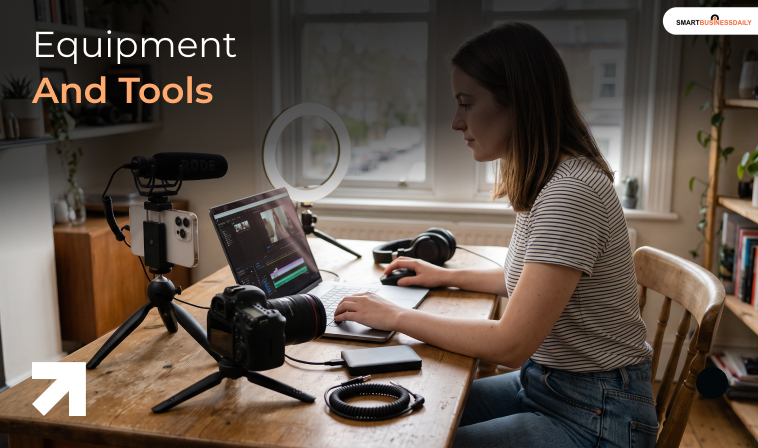
Contrary to popular belief, you don’t need a Hollywood budget to produce quality video content.
With advancements in technology, there are numerous affordable cameras, microphones, and lighting setups that can produce professional-looking results.
Additionally, a wide range of video editing software options caters to all skill levels and budgets.
And this includes everything, from high-end programs for professionals to user-friendly editors for low-end PCs.
Moreover, these software solutions enable anyone to create compelling video content, regardless of their technical expertise or financial resources.
Filming Tips:
Good filming practices are essential for creating high-quality video content.
This includes paying attention to lighting, ensuring clear audio, and using a tripod to stabilize your shots.
Planning your shots and scenes in advance can also save time and improve the final product.
Remember, the goal is to produce clear, engaging content that delivers your message effectively, so focus on the basics before moving on to more advanced techniques.
Editing Your Videos:
The post-production phase, where your footage is transformed into a polished final product, is where the magic happens.
Editing allows you to cut out any unnecessary parts, add music or voiceovers, and incorporate graphics or effects to enhance your video’s appeal.
While editing can be time-consuming, it’s an invaluable step in the video creation process, allowing you to refine your content and ensure it aligns with your marketing objectives.
Maximizing Video Distribution:
In this section, let’s look at how you can maximize video distribution:
Choosing The Right Platforms:

Selecting the most effective platforms for distributing your videos is crucial for reaching your target audience.
This decision should be guided by where your audience spends their time online, whether that’s on social media platforms like YouTube, Instagram, or Facebook, on your company website, or through email marketing campaigns.
Each platform has its own set of best practices for video content, so tailor your strategy accordingly to maximize your reach and engagement.
SEO For Video Content:
Just like written content, videos can be optimized for search engines to improve visibility and drive organic traffic.
This involves using relevant keywords in your video’s title, description, and tags, and creating engaging thumbnails that encourage clicks.
Hosting your video on your own website can also improve SEO by increasing the time visitors spend on your site, which is a positive signal to search engines.
Promoting Your Videos:
Beyond organic reach, consider leveraging paid advertising, influencer partnerships, and cross-promotion on other channels to amplify your video’s visibility.
Engaging with your audience by responding to comments and encouraging shares can also increase reach.
Also, it can foster a sense of community around your brand.
Measuring Success:
Key Performance Indicators (KPIs):
To evaluate the effectiveness of your video marketing campaign, it’s important to track specific KPIs. This includes view count, engagement rates (likes, shares, comments), watch time, and conversion rates.
These metrics provide insights into how well your content is performing and whether it’s achieving the desired outcomes.
Analyzing Feedback And Engagement:
Beyond quantitative metrics, paying attention to qualitative feedback from your audience is invaluable. Moreover, comments and social media interactions can offer deeper insights into:
- How is your content received?
- What aspects resonate most with viewers?
- Areas for improvement.
This feedback loop is crucial for refining your video marketing strategy. Also, you can ensure that your content continues to engage and convert your target audience.
How To Make Video Marketing More Effective?

You do not need to publish every day or produce expensive campaigns. A better approach is to create a repeatable system.
So, start with a few formats that fit your business. Create clear scripts. Record efficiently. Edit only what improves the viewer experience. Publish on the platforms where your audience spends time.
Then measure the results and improve your next video. Most importantly, stop treating video as a separate activity from the rest of your marketing.
A product demo can support a sales page. An educational video can support a blog post. A customer testimonial can support an email campaign. A short social clip can bring people back to your website.
That is where video becomes more than another content format – it becomes part of the customer journey.
Know How To Use Videos In Marketing Campaigns:
In conclusion, video marketing offers a dynamic and effective way to connect with your audience.
Moreover, with video marketing, you can convey your message and achieve your marketing goals.
By understanding the fundamentals of video marketing, selecting the right types of videos, and executing a well-planned strategy, you can leverage videos to enhance your brand’s visibility, engagement, and conversions.
As you embark on your video marketing journey, remember to keep your content engaging, optimize for SEO, and measure your success to continually improve your approach.
Read Also:




Related Articles


Comments Are Closed For This Article