








Are There Student Loans Available Without A Cosigner?
4 Mins Read
Published on: 14 June 2022
Last Updated on: 02 September 2026

Paying for college can be challenging, particularly when tuition, housing, books, and other education expenses add up quickly. For many students and families, student loans become one part of the plan for covering these costs.
However, borrowing for college is a significant financial decision. The type of loan you choose can affect your interest rate, repayment options, protections, and the total amount you eventually pay.
In the United States, student loans generally fall into two categories:
- federal student loans and
- private student loans.
Understanding how these options differ can help students and families make more informed borrowing decisions.
On that note, today, we will do a comprehensive deep dive into student loans and help you understand your options and, more importantly, the primary cosigner requirements.
Stay tuned.
Types Of Student Loans:
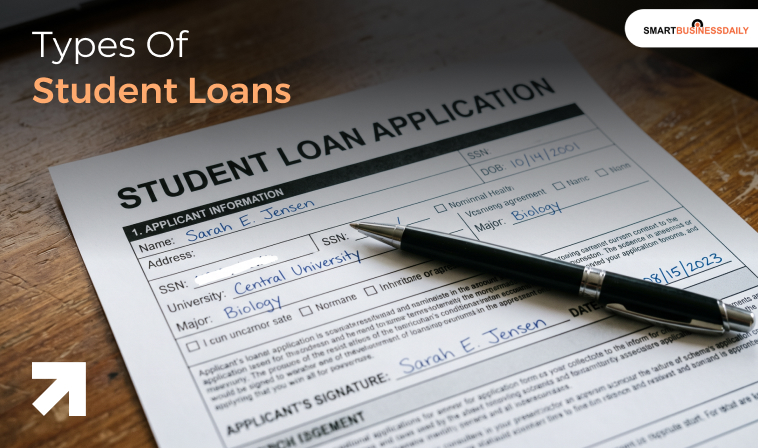
There are two main types of student loans in the United States: federal student loans and private student loans.
1. Federal Student Loans:
Federal student loans are offered through the U.S. Department of Education. Students generally begin the federal student-aid process by completing the Free Application for Federal Student Aid (FAFSA).
The FAFSA collects financial and other information used to determine eligibility for federal student aid and, in many cases, aid offered by states and schools.
Moreover, completing the FAFSA does not guarantee that a student will receive a particular type or amount of aid.
Also, federal student loans can offer important borrower protections and repayment options.
Depending on the loan and the borrower’s circumstances, these may include income-driven repayment options, deferment, forbearance, and certain forgiveness programs.
Federal loans also have borrowing limits. The amount a student can borrow depends on factors such as the student’s dependency status, year of study, and loan type. As a result, federal loans may not cover the full cost of attendance in every situation.
Some federal loans are subsidized. With a subsidized Direct Loan, the federal government generally covers the interest that accrues during certain periods when the borrower is enrolled at least half-time and during qualifying deferments.
Other federal loans, such as unsubsidized Direct Loans, accrue interest while the student is in school.
2. Private Student Loans:
Private student loans are offered by private financial institutions, including banks, credit unions, and specialized lenders.
The eligibility requirements and terms can vary considerably between lenders.
A private lender may consider factors such as the student’s credit history, income, debt, and ability to repay the loan. Students with limited credit history may therefore need a cosigner to qualify or obtain more favorable terms.
Also, private student loans can sometimes help cover education costs that remain after other sources of financial aid have been applied.
However, they generally do not provide the same federal borrower protections, repayment programs, or forgiveness options available with federal student loans.
Before taking out a private student loan, compare the interest rate, whether the rate is fixed or variable, fees, repayment period, monthly payment, cosigner requirements, and other loan terms.
In addition, it is best for students to generally explore available federal student aid before turning to private student loans because federal loans may provide broader borrower protections.
What Is A Cosigner?

A cosigner is someone who agrees to share legal responsibility for repaying a loan if the primary borrower fails to meet the loan’s obligations.
Private student lenders may require a cosigner because many college students have limited credit histories, little income, or no established record of borrowing. A creditworthy cosigner can reduce the lender’s risk and may help the student qualify for financing or receive better terms.
A cosigner could be a parent, relative, or another eligible person who meets the lender’s requirements. The lender may evaluate the cosigner’s credit history, income, debt obligations, and other financial information.
Cosigning is a significant financial commitment. If the student fails to make payments, the cosigner may become responsible for the debt under the terms of the loan agreement. Missed payments or a default can also affect the cosigner’s credit.
For that reason, both the student and cosigner should understand the loan terms and repayment responsibilities before signing.
Are Cosigners Always Necessary?

No. A cosigner is not required for every student loan.
Federal student loans generally do not require a cosigner. Private lenders, however, set their own eligibility requirements. Some private student loans are available without a cosigner, although qualifying without one may be more difficult for students with limited credit histories or income.
Whether a student can qualify without a cosigner may depend on factors such as:
- Lender-specific underwriting criteria
- Credit history
- Credit score
- Income
- Existing debt
- Loan amount
- School and program
- Expected graduation
Some private lenders also offer cosigner release programs.
These may allow a borrower to request the removal of a cosigner after meeting specific requirements, such as making a certain number of consecutive on-time payments and demonstrating sufficient creditworthiness.
Moreover, the requirements vary by lender.
How Can Students Improve Their Chances Of Qualifying Without A Cosigner?
Students who want to borrow without a cosigner can take steps to strengthen their financial profile before applying.
Building a positive credit history, maintaining a strong credit score, limiting existing debt, and demonstrating reliable income may help. However, none of these steps guarantees approval because every private lender uses its own eligibility criteria.
Students should also compare multiple lenders rather than assuming that the first available loan is the best option.
Most importantly, borrow only what you need and make sure you understand the repayment obligation before accepting the loan.
Read Also:



Related Articles



Comments Are Closed For This Article