








How Do ‘Employee Benefits’ Build Trust And Improve Employee Loyalty?
7 Mins Read
Published on: 22 December 2025
Last Updated on: 30 September 2026

- How Do Employee Benefits Build Trust?
- Reducing Financial Stress And Uncertainty:
- How Do Flexible Benefits Support Work-Life Balance?
- Why Does Whole-Person Well-Being Matter?
- How Can Benefits Recognize Long-Term Commitment?
- Why Should Benefits Reflect Different Employee Needs?
- Why Is Benefits Communication So Important?
- Make Benefits Relevant, Not Just Available:
- How Should Companies Measure Whether Benefits Are Working?
- How Can Employers Balance Employee Benefits With Financial Risk?
- The Role Of Financial Protection And Risk Management
- Benefits Are Only One Part Of Employee Loyalty:
A good salary gets people through the door. It does not always give them a reason to stay.
Employees also pay attention to what happens when they get sick, need time away from work, have a family emergency, or start thinking about their long-term financial security. They notice whether their employer gives them enough flexibility to manage life outside work. They also notice whether the company invests in their growth.
That is where employee benefits become important.
A well-designed benefits package can give employees practical support at different stages of their lives. More importantly, it can show that the company sees them as people, not just as workers.
Benefits alone will not fix poor management, low pay, or a toxic workplace. But when the basic conditions are right, thoughtful benefits can strengthen trust and make employees more likely to see a future with the organization.
How Do Employee Benefits Build Trust?

Trust grows when employees can see that their employer will support them when circumstances change. Benefits are one of the clearest ways a company can provide that support.
Consider health insurance. An employee may not think about it every day, but knowing that medical treatment is covered can remove a significant source of financial stress.
The same applies to paid leave, retirement contributions, disability coverage, and other forms of financial protection. These benefits may not feel exciting, but they become extremely valuable when an employee actually needs them – these are essential parts of residing in a safe, secure workplace.
Reducing Financial Stress And Uncertainty:
Unexpected expenses can affect an employee’s ability to concentrate at work. A serious illness, family emergency, or sudden financial problem can create pressure that has nothing to do with their job.
Benefits can reduce some of that uncertainty.
Depending on the organization and location, employers may offer:
- Health and dental insurance
- Paid sick leave
- Disability coverage
- Retirement contributions
- Life insurance
- Emergency financial assistance
- Paid family or parental leave
These programs do not eliminate financial stress. They can, however, give employees a stronger safety net when something goes wrong.
How Do Flexible Benefits Support Work-Life Balance?
Employees do not leave their personal lives at the office when the workday begins.
They may have children to care for, elderly parents to support, medical appointments to attend, or personal responsibilities that cannot always be scheduled outside working hours.
Flexible benefits and working arrangements can make these responsibilities easier to manage.
Depending on the nature of the job, flexibility may include:
- Remote or hybrid work
- Flexible working hours
- Compressed workweeks
- Part-time arrangements
- Paid personal days
- Flexible leave policies
- Family and caregiving support
The important point is not simply offering flexibility. It is making sure employees can use it without feeling that doing so will damage their careers.
A policy that exists on paper but is discouraged by managers will not create much trust.
Why Does Whole-Person Well-Being Matter?
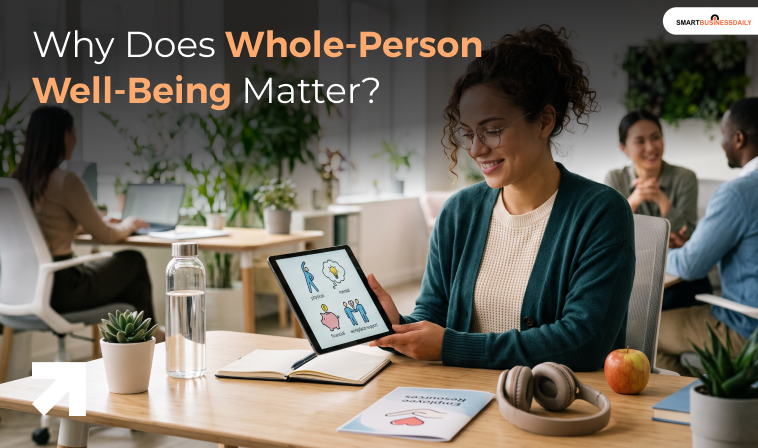
Employee well-being has become a broader concept than physical health.
Many organizations now consider mental health, financial wellness, physical health, and workplace stress when designing benefits programs.
Examples include:
- Mental health counseling
- Employee assistance programs
- Fitness or wellness reimbursements
- Preventive healthcare
- Financial education
- Stress management resources
- Additional support during periods of burnout or personal difficulty
The goal is not to turn every workplace into a wellness center. It is to recognize that employees bring their physical, mental, and financial concerns with them to work.
When a company provides practical support in these areas, employees may feel that their well-being matters beyond their output.
How Can Benefits Recognize Long-Term Commitment?
Benefits can also play a role in recognizing employees who stay and contribute over time.
Some organizations provide additional benefits as employees reach certain service milestones. Others connect benefits to career development or long-term financial planning.
Examples can include:
- Increased retirement contributions
- Additional paid time off
- Long-service awards
- Professional development budgets
- Leadership programs
- Mentorship opportunities
- Paid sabbaticals
These programs can make the employee’s longer-term relationship with the company more visible.
However, employers should be careful about using benefits purely as a retention mechanism. Employees are unlikely to value a long-service benefit if their everyday experience at work is poor.
Benefits work best when they complement fair pay, good management, meaningful work, and opportunities for growth.
Why Should Benefits Reflect Different Employee Needs?
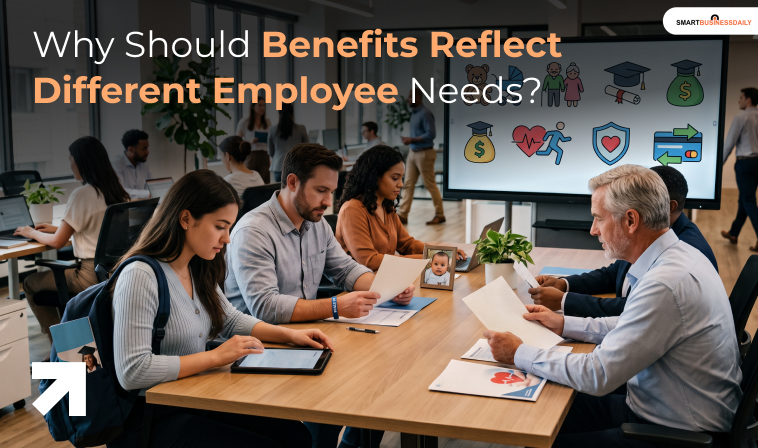
A workforce is rarely made up of people with identical priorities.
A recent graduate may care about professional development and student loan assistance. A parent may place greater value on parental leave and childcare support. An employee approaching retirement may be more interested in retirement planning and healthcare coverage.
This does not mean every employee needs a completely different benefits package.
Instead, employers can provide a core set of benefits and offer choices where practical.
Depending on the organization, those choices might include:
- Childcare or family support
- Elder care resources
- Education assistance
- Student loan repayment programs
- Additional insurance options
- Wellness benefits
- Flexible spending arrangements
Giving employees some choice can make benefits more relevant to their actual circumstances.
It can also make employees feel that the company understands that different people have different needs.
Why Is Benefits Communication So Important?
A benefits package is only useful when employees understand what it offers.
This is a common problem. Companies may spend significant amounts on benefits, but employees may not know what is available, how to enroll, or when they can use a particular benefit.
Good communication should answer simple questions:
- What does this benefit cover?
- Who is eligible?
- How do I enroll?
- When can I use it?
- Where can I find the relevant documents?
- Who can I contact if I have a problem?
A centralized benefits portal can make this information easier to find. Employees should be able to access coverage details, enrollment information, eligibility requirements, and support resources without having to search through old emails.
Make Benefits Relevant, Not Just Available:
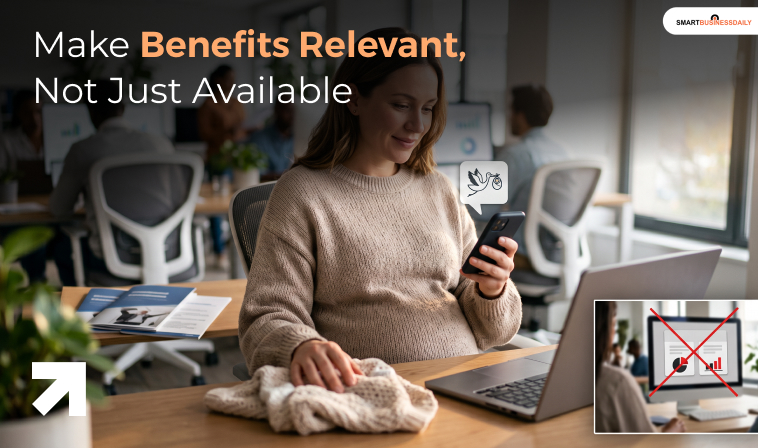
Communication should also happen throughout the year.
A reminder about parental leave is more useful to an employee preparing for a new child than a generic annual email listing every benefit.
Likewise, a simple explanation of how retirement contributions work may be more useful to a new employee than a lengthy benefits document filled with technical language.
The best communication answers the question employees are actually asking at that moment.
Also Check: 6 Reasons Why Employee Communication is Important for HR.
How Should Companies Measure Whether Benefits Are Working?
Don’t treat employee benefits as a set-and-forget expense.
Organizations can review how employees use their benefits and ask whether the programs still reflect their needs.
Useful sources of feedback include:
- Employee surveys
- Benefits utilization data
- Exit interviews
- One-on-one conversations
- Annual benefits reviews
- Questions submitted to HR teams
For example, if a wellness program has very low participation, the problem may not be a lack of interest in wellness. Employees may find the program difficult to access or may simply not understand what it offers.
Feedback can help employers identify those gaps.
It also gives employees a chance to influence the benefits they receive. That can strengthen trust because employees can see their feedback lead to real changes.
How Can Employers Balance Employee Benefits With Financial Risk?
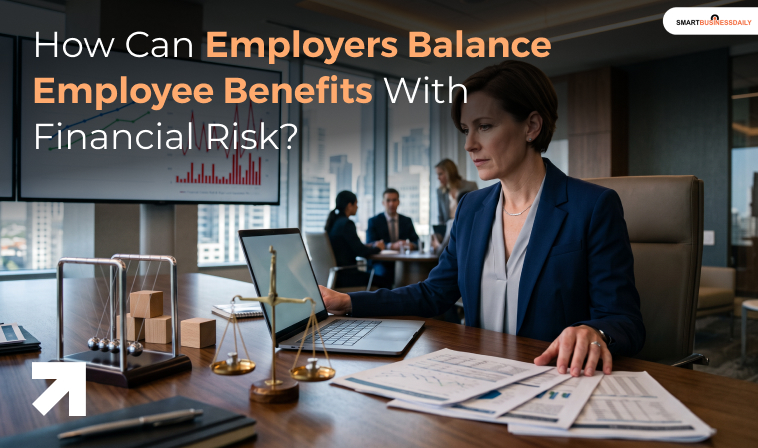
A strong benefits program must also be financially sustainable.
This is particularly important for employers that manage or partially self-fund healthcare plans. A major increase in medical claims can create significant financial exposure.
Organizations may use tools such as stop-loss insurance to limit the financial impact of unusually large claims, depending on their health plan structure and applicable regulations.
This is one example of why benefits design involves more than simply adding new perks. Employers need to consider cost, risk, employee needs, compliance, and long-term sustainability together.
A benefit that looks attractive at launch will not build much confidence if the company cannot maintain it.
The Role Of Financial Protection And Risk Management
On the other hand, employers also use smart benefit design to make benefits sustainable. One example of this benefit design is stop-loss insurance, which usually covers self-insured health plans and protects the employer from enormous medical claims.
Understanding tools such as stop-loss coverage is key to balancing employee benefits with financial management.
This is easier with resources such as this guide, provided by ‘Selected Benefits’ in response to questions like “what is stop loss in health insurance?”
This creates a sense of consistency, which also helps to ensure that the benefits are always reliable and, thus, instill more confidence in the
Benefits Are Only One Part Of Employee Loyalty:
Employee loyalty rarely comes from a single benefit.
A strong benefits package can support retention, but it works alongside other parts of the employee experience. Fair compensation, effective managers, career opportunities, reasonable workloads, recognition, and a healthy workplace culture all matter.
Benefits provide meaningful support around that foundation.
When employees know they have access to healthcare, financial protection, flexibility, time off, and opportunities to grow, they have more reasons to view their employer as a long-term partner.
That does not guarantee loyalty. It does something more practical: it creates a workplace where employees can feel supported both during ordinary working life and when circumstances change.
That’s what makes employee benefits valuable. They are not simply perks added to a compensation package. When done well, they show how an organization demonstrates that its employees matter.



Related Articles


Comments Are Closed For This Article