





Expand Your Impact: Branding Beyond the Booth at Live Events
5 Mins Read
Published on: 26 March 2026
Last Updated on: 04 May 2026
- Event Marketing Strategy: Understanding The Need
- 1. Cutting Through Digital Noise
- 2. Accelerating the Sales Pipeline
- 3. Building Brand Trust
- What Are The Core Phases Of An Event Marketing Strategy?
- Pre-Event: Building Anticipation
- During-Event: Maximizing Engagement
- Post-Event: Nurturing Relationships
- Top Promotional Channels For Event Marketing
- 1. Social Media (47%)
- 2. Email Marketing (30%)
- 3. Digital Ads (28%)
- 4. Influencers (21%)
- Looking Beyond The Booth
- Designing A Cohesive Experience
- Building Stronger Connections
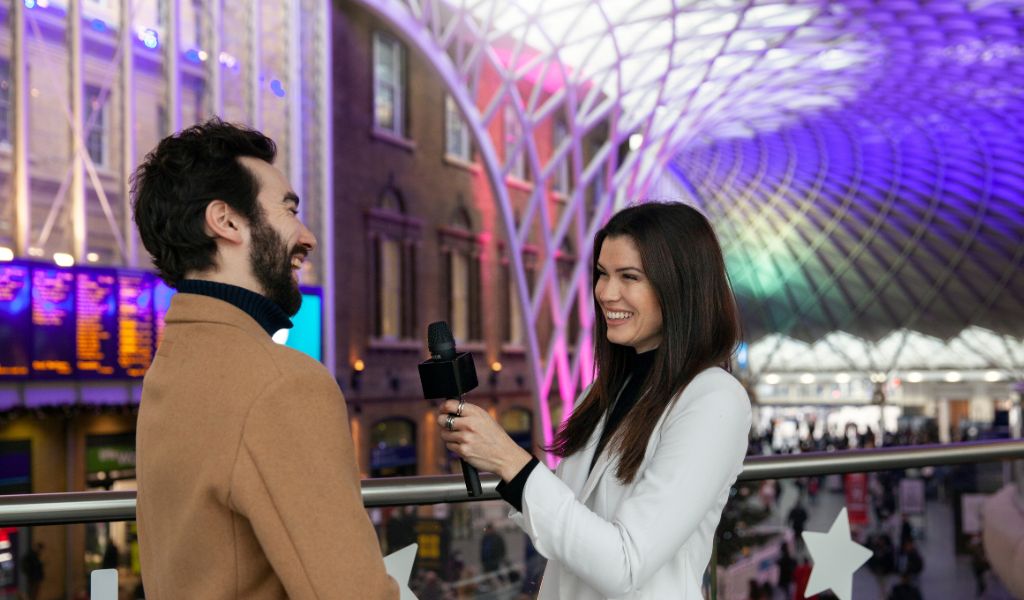
At live events, a well-designed booth can draw initial interest, but it rarely carries the full experience on its own.
Trade shows and conferences are dynamic spaces where attendees move through multiple environments, each offering an opportunity to reinforce your brand.
The most effective exhibitors look beyond their assigned footprint and create a presence that extends across the entire venue.
If you are trying to understand how an event marketing strategy canturn things around for you, keep reading!
Event Marketing Strategy: Understanding The Need
The requirement for an event marketing strategy becomes clear when events get treated as critical financial commitments. The absence of a strategy transforms an event into a casual celebration, whereas its presence creates a system for generating conversions.
1. Cutting Through Digital Noise
Digital media impacts people’s ability to concentrate on social events that combine physical and online elements.
Bizzabo research shows that 80 percent of marketers consider live events to be their most effective marketing method that drives business success. A strategy ensures you aren’t just reaching “anyone” but the “right” someone.
2. Accelerating the Sales Pipeline
The sales pipeline experiences its fastest progress through events that create direct connections between buyers and sellers. Forrester reports that events typically influence 20–30% of an organization’s B2B pipeline.
The documented strategy guarantees that event engagement produces measurable results through leads, which vanish after the event ends.
3. Building Brand Trust
Content exists everywhere. Yet people can only experience special things.
Agency EA discovered that 92% of consumers are more inclined to buy a product after they experience it during an event.
The brand strategy enables the company to create emotional connections with customers through digital advertising, which consumers cannot experience through other channels.
What Are The Core Phases Of An Event Marketing Strategy?
Event marketing exists as an ongoing process that consists of three separate phases which seek to achieve maximum audience involvement and financial returns.
Pre-Event: Building Anticipation
The establishment of SMART goals needs to begin with the creation of Specific, Measurable, Achievable, Relevant, and Time-bound objectives. These serve to evaluate performance results.
Marketers should create complete attendee profiles through audience segmentation. They should include multiple marketing channels such as email, social media, and paid advertisements to achieve registration goals.
During-Event: Maximizing Engagement
The event needs to transform attendees into active participants through various online interactive methods – these include live polls and Q&A sessions.
The use of an event application together with filming authentic behind-the-scenes moments creates “FOMO” (fear of missing out) because of its ongoing “Instagrammable” branding presence, which reinforces brand identity.
Post-Event: Nurturing Relationships
Lead nurturing needs immediate follow-up which should occur within 24 to 48 hours because this process helps turn leads into permanent clients.
The primary methods involve using surveys to collect feedback about attendee satisfaction and transforming event materials into blog content and social media snippets to continue building audience interest.
The final step requires organizations to assess their complete event expenses against generated revenue and lead outcomes that help them evaluate the total return on investment from the program.
Top Promotional Channels For Event Marketing
The correct selection of promotional channels is necessary to achieve maximum audience reach and conversion of visitors into attendees. The current industry benchmarks show that four primary channels dominate the existing market.
1. Social Media (47%)
Social media stands as the most effective method for developing communities and achieving viral distribution. B2B professionals use LinkedIn as their essential networking platform.
On the other hand, Instagram and TikTok enable users to generate visual “hype” through their short video content and dedicated event hashtags.
2. Email Marketing (30%)
The direct nature of email permits businesses to create personalized messages. It often results in their best return on investment.
The segmented nurture sequences guide potential attendees through their journey from the initial “save the date” to their final registration and post-event follow-up process.
3. Digital Ads (28%)
Marketers can use paid advertising on Google Search and Meta Ads to deliver targeted advertising.
It enables them to reach specific demographic groups, job titles, and particular interests that organic advertising cannot reach.
4. Influencers (21%)
The collaboration with niche industry experts establishes a trustworthy atmosphere for the partnership.
Influencers function as reliable endorsers who enhance the event’s credibility while reaching out to their existing engaged fan base.
Looking Beyond The Booth
Your booth serves as a central hub, but meaningful engagement often happens outside of it. Attendees encounter your brand long before they step onto the show floor and continue interacting with it as they move through the event.
The visibility of entry points extends to parking areas, shuttle drop-offs, registration desks, and lobby spaces. The first impressions people form about your brand begin to mold their brand perception before they interact with your company.
The spaces that attendees explore after they leave your booth have equal importance. People use corridors, lounges, and networking areas to access business information. It helps them understand the company message better.
The branding of multiple touchpoints creates an actual business presence, which exists between two different brand identities.
Designing A Cohesive Experience
Event branding achieves its goals through more than just showing logos at different sites. The process requires developing a consistent visual and experiential identity that maintains its presence throughout the entire venue.
Your main identity remains constant because you maintain the same color palette with specific tonal choices and particular messaging throughout all customer interactions.
The system includes various elements. This ranges from directional signs and interactive displays to branded surfaces and illuminated displays.
Your overall design strategy will achieve its goal of creating unity throughout your space because even small elements will match your design plan.
The key is to think from the attendee’s perspective. The team needs to analyze how people navigate the area while identifying the spots that generate maximum interaction.
The strategic placement of elements creates an experience where users can interact with content in a way that feels comfortable and relevant.
Building Stronger Connections
Live events are driven by experience as much as visibility. When your brand is present across multiple points in a thoughtful and consistent way, it becomes more memorable.
Attendees are more likely to recognize, recall, and engage with a brand that feels integrated into their overall event journey.
By extending your presence beyond the booth and designing with intention, you create more than awareness. You create a connected experience that encourages deeper interaction and leaves a lasting impression.
Want to see how branding can extend across the full event experience? View the companion visual guide from Orbus Visual Communications, a provider of portable banner stands.



Related Articles


Comments Are Closed For This Article