








Google Memory Game: Play, Learn the Rules And Boost Your Brain
19 March 2026
8 Mins Read
- What Is the Google Memory Game?
- How to Access the Google Memory Game?
- 1. Playing Through Google Search
- 2. Playing Through Browser Game Platforms
- 3. Playing on Mobile Devices
- How to Play the Google Memory Game?
- 1. Objective of the Game
- 2. Starting the Game
- 3. Repeating the Pattern
- 4. Increasing Difficulty
- What Are Some Important Rules of the Google Memory Game
- 1. Follow the Exact Sequence
- 2. No Mistakes Allowed
- 3. Progression Through Levels
- 4. Scoring System
- What Are The Various Game Modes and Variations?
- 1. Visual Memory Mode
- 2. Sound-Based Memory Mode
- 3. Pattern Matching Mode
- 4. Educational Versions
- What Are The Benefits of Playing the Google Memory Game?
- 1. Improves Short-Term Memory
- 2. Enhances Concentration
- 3. Strengthens Pattern Recognition
- Supports Brain Training
- Educational Value for Children
- What Are Some Important Tips to Improve Your Performance?
- 1. Focus on One Element at a Time
- 2. Repeat the Pattern Mentally
- 3. Watch Carefully Before Acting
- 4. Practice Regularly
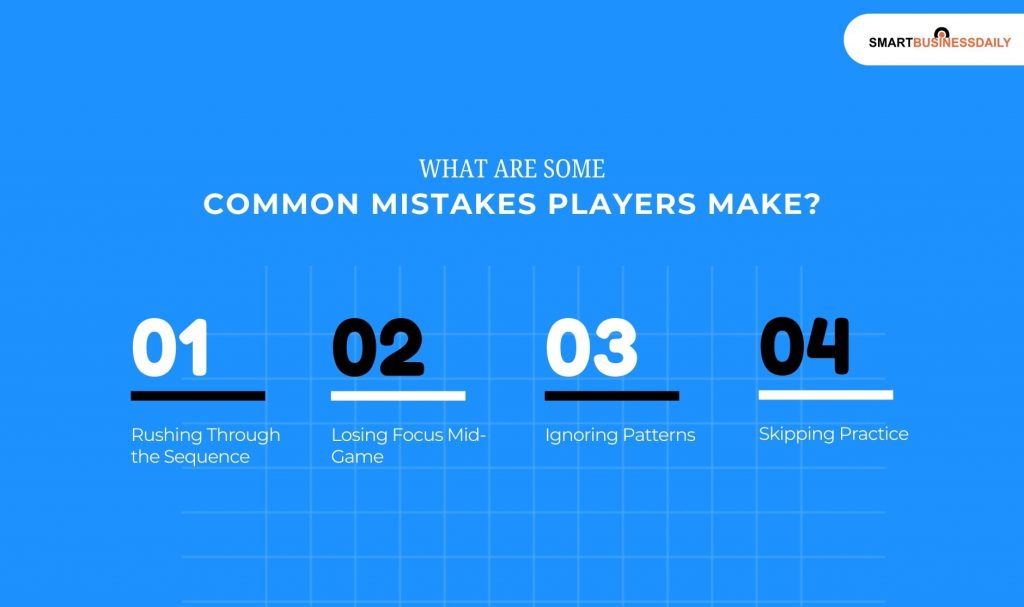
- What Are Some Common Mistakes Players Make
- 1. Rushing Through the Sequence
- 2. Losing Focus Mid-Game
- 3. Ignoring Patterns
- 4. Skipping Practice
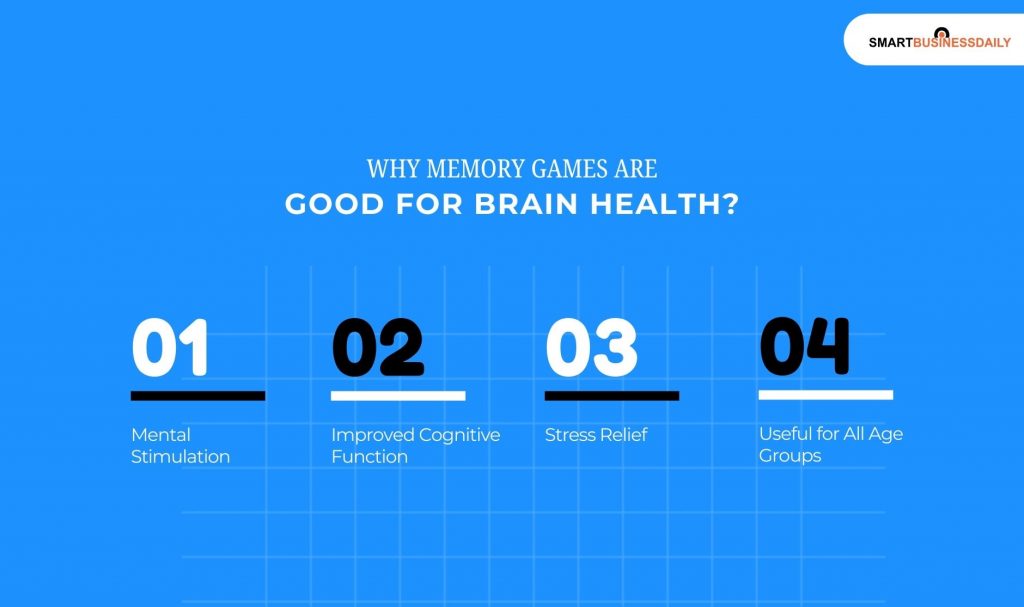
- Why Memory Games Are Good for Brain Health?
- 1. Mental Stimulation
- 2. Improved Cognitive Function
- 3. Stress Relief
- 4. Useful for All Age Groups
- The Dynamics Of Google Memory Game Explained
Have you ever found yourself staring at a screen, trying to remember a sequence of sounds or colors?
Trust me, I did. And I felt that sudden spark of mental clarity just immediately.
I have always been fascinated by how simple digital tools can sharpen our minds.
In fact, I think it is a muscle that needs a regular workout.
The Google Memory Game is one of the most accessible ways to give your brain that much-needed exercise.
You don’t even need a gym membership or a complex setup.
In this guide, I will walk you through everything you need to know about the game, from the basic rules to advanced tips for high scores.
What Is the Google Memory Game?
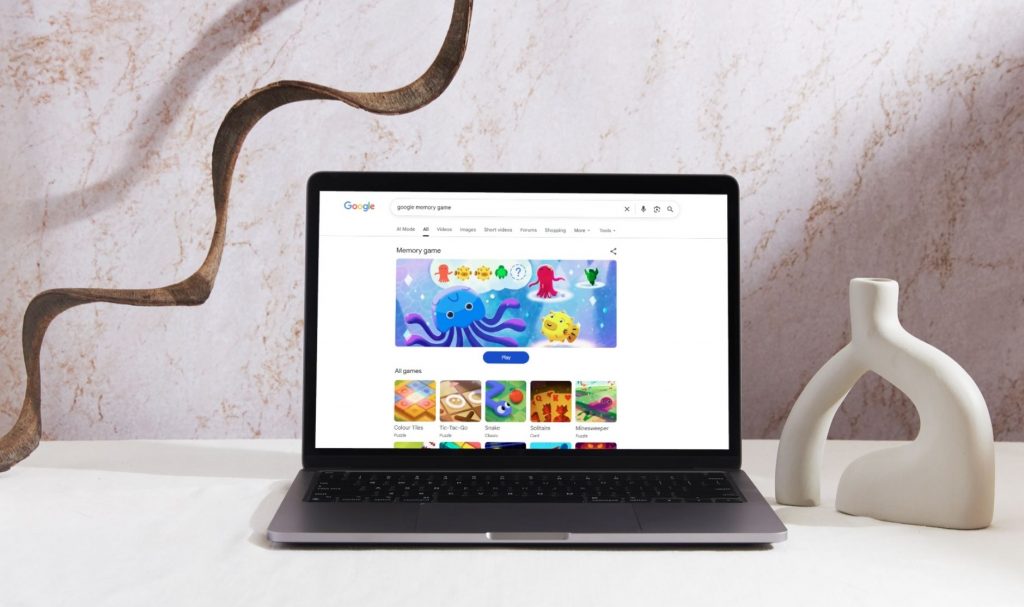
At its core, the Google Memory Game is a straightforward, browser-based challenge.
It requires players to observe a sequence and repeat it exactly as it appeared.
In addition, it is designed to be intuitive. Therefore, it makes it easy for anyone to pick up and play within seconds.
The game draws heavy inspiration from classic pattern-matching games. You know, the ones many of us played as children.
Google often integrates these interactive experiences into its search results.
I even saw many of these on educational platforms. It does so to celebrate milestones or provide quick entertainment.
The beauty of this game lies in its simplicity.
It is suitable for all age groups, from toddlers learning colors to seniors maintaining cognitive health.
Because the sessions are quick, they fit perfectly into a coffee break or a short commute.
How to Access the Google Memory Game?
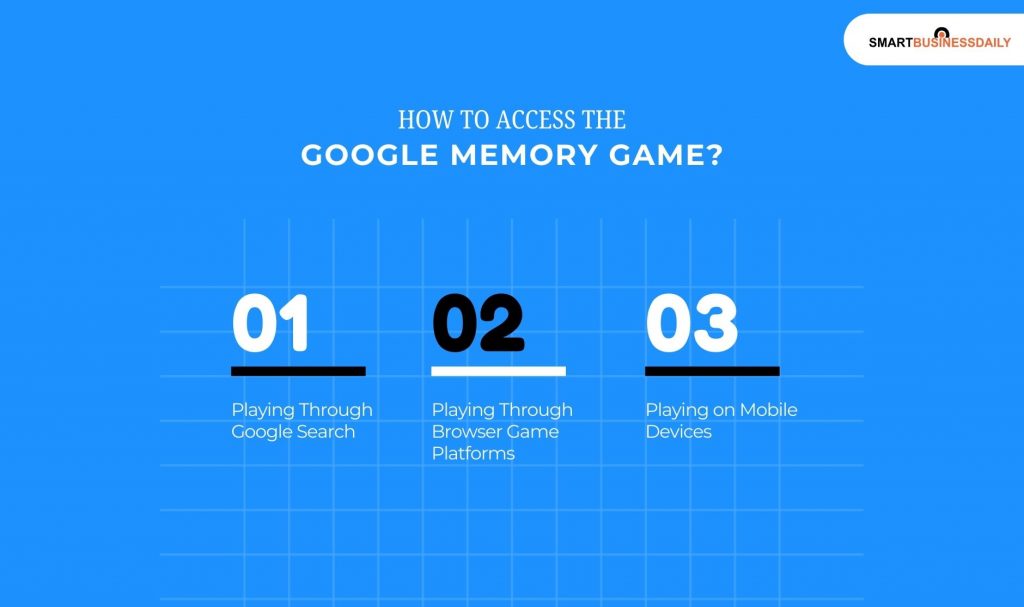
You have to just follow these steps, and you will be able to access the game properly.
1. Playing Through Google Search
The easiest way to find the game is through a direct search.
Firstly, you just have to type “Google Memory Game” into the search bar.
Then, you can usually find the interactive module right at the top of the results page.
2. Playing Through Browser Game Platforms
Now, I will go beyond the main search page. I also know several educational and gaming websites host similar versions of the game.
Additionally, these platforms often provide a full-screen experience. Therefore, it minimizes distractions while you play.
3. Playing on Mobile Devices
You do not need a high-end PC to enjoy this. The game is fully optimized for smartphones and tablets.
Therefore, you can access it through your mobile browser.
It makes it a great companion for those moments when you are waiting in line or traveling.
How to Play the Google Memory Game?
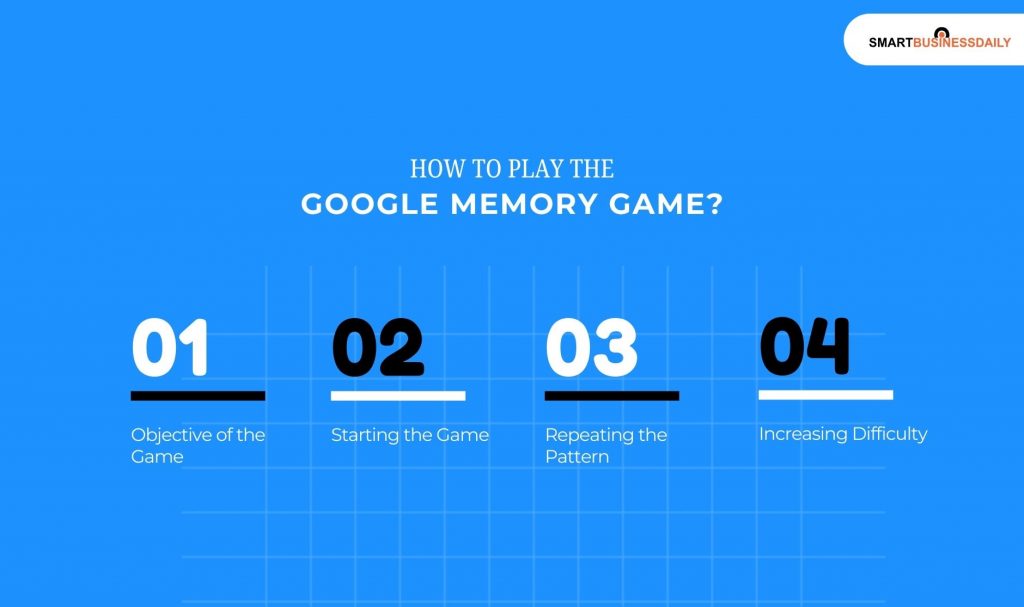
These are not exactly any sort of trips or tricks, but more of a series of steps.
You have to keep these in mind accordingly when you are planning this game.
1. Objective of the Game
Your primary goal is to remember and repeat the sequences shown to you.
It sounds simple, but as the patterns grow longer, your short-term memory is put to the ultimate test.
2. Starting the Game
When you begin, the game will present a short sequence.
This usually involves a series of sounds, specific colors, or animated images that flash in a particular order.
3. Repeating the Pattern
Once the game finishes showing the sequence, it is your turn.
You must click or tap the elements in the exact order they were presented.
4. Increasing Difficulty
This is where the challenge ramps up.
Each time you complete a round, the game adds one more step to the sequence.
The pace may also quicken, requiring faster cognitive processing.
What Are Some Important Rules of the Google Memory Game
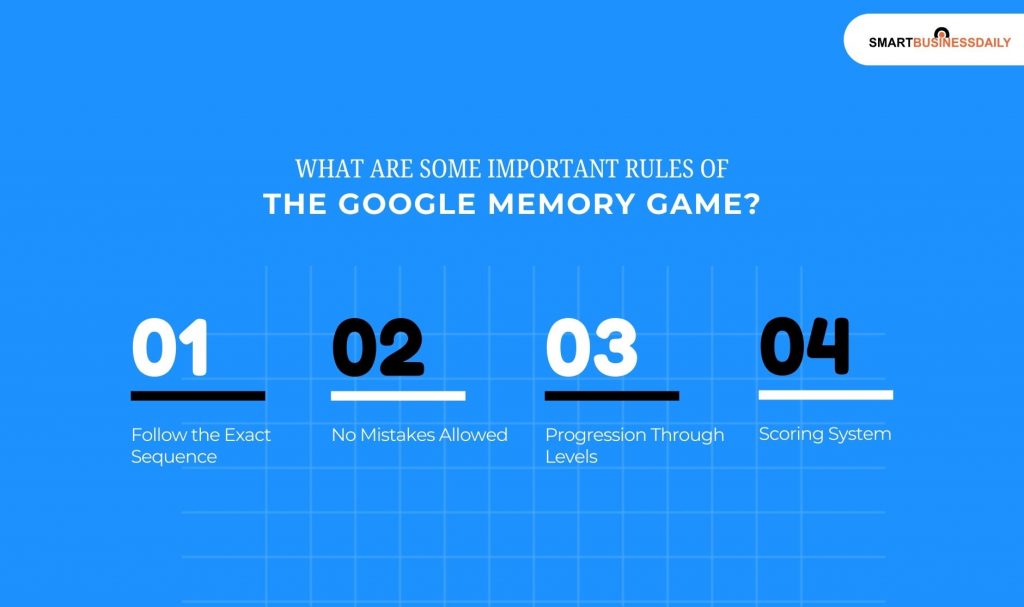
You must pay attention here. The rules are not complex. But you must cater to these seriously.
1. Follow the Exact Sequence
Precision is everything here. Even if you remember all the elements but get the order wrong, the game will not count it as a success.
You must follow the pattern perfectly.
2. No Mistakes Allowed
In most versions, the game is “one strike, and you are out.”
A single incorrect click usually ends your session, forcing you to start from the beginning.
3. Progression Through Levels
The game does not stay easy for long. As you progress, the complexity increases.
This constant scaling ensures that your brain stays engaged and challenged throughout the session.
4. Scoring System
Your score is typically based on how many sequences you correctly identified and how far you progressed.
Some versions may also factor in the speed of your responses.
What Are The Various Game Modes and Variations?
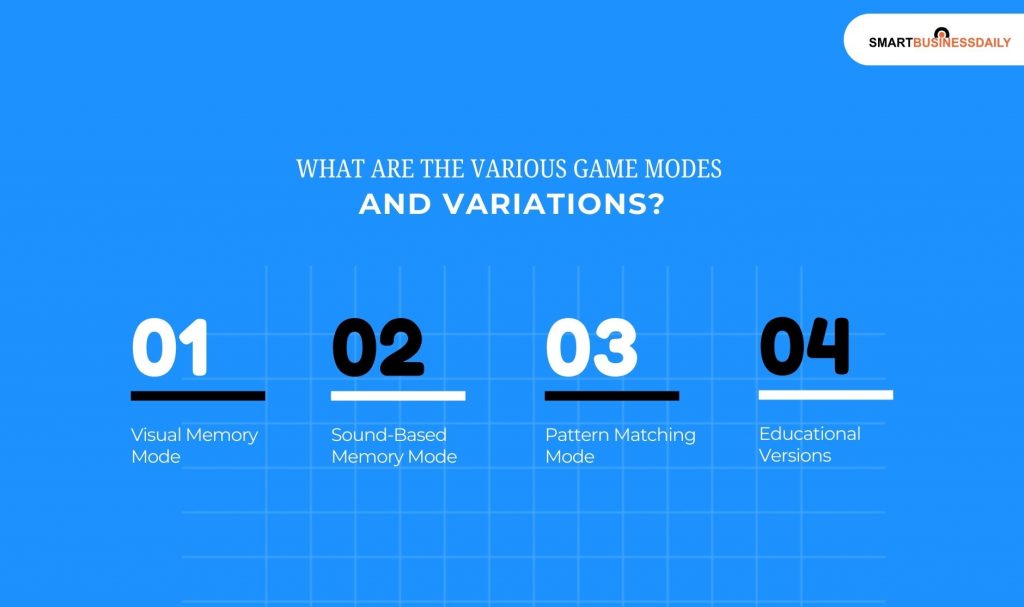
These are the different types of Google memory games that you can enjoy. Let’s check these out:
1. Visual Memory Mode
In this mode, players focus on colors or images.
It is excellent for strengthening the visual cortex. Additionally, it helps you recognize visual patterns more effectively.
2. Sound-Based Memory Mode
This variation uses musical tones or distinct sounds.
Then, it challenges your auditory memory. I believe this is a vital skill.
You will always need this skill for learning languages or following spoken instructions.
3. Pattern Matching Mode
Rather than a linear sequence, some versions ask you to match pairs of cards.
Additionally, they might also ask you to identify repeating patterns in a grid.
This adds a layer of spatial awareness to the challenge.
4. Educational Versions
Google and other developers have created versions that include numbers, shapes, or even vocabulary words.
These are particularly useful for students who want to gamify their learning process.
What Are The Benefits of Playing the Google Memory Game?
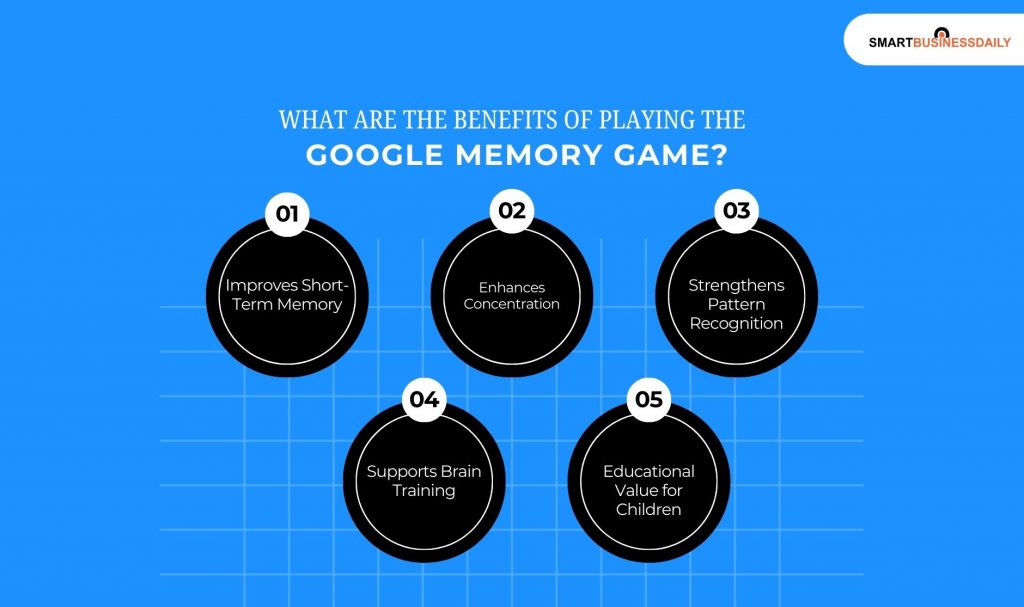
1. Improves Short-Term Memory
The core of this game is the rapid retention of data.
Players must hold a specific sequence in their minds. In fact, you must keep at it for a short window of time before reproducing it.
This specific type of mental exercise directly strengthens the neural pathways responsible for short-term recall.
2. Enhances Concentration
In a world full of digital distractions, maintaining focus is a superpower.
Therefore, to succeed at the Google Memory Game, you must block out external noise.
I always practice this. I just concentrate entirely on the screen.
This practice helps train your brain to stay on task for longer periods without wandering.
3. Strengthens Pattern Recognition
Our brains are naturally designed to find patterns in the chaos around us.
This game leans into that instinct. It rewards players who can identify repetitions and logical sequences quickly.
Therefore, I suggest that you use this to strengthen this skill. It can even help with professional tasks like data analysis or coding.
Supports Brain Training
Just like physical exercise keeps the body fit, cognitive games serve as a form of mental gymnastics.
Therefore, I always recommend that you play this game in regular sessions.
This will contribute to overall brain health. Also, it can help maintain mental agility as we age.
Educational Value for Children
For younger players, the game is more than just fun.
It introduces them to the concepts of order, logic, and sequence in a low-pressure environment.
Additionally, it encourages learning through interactive play. So, this makes it a favorite for many educators.
What Are Some Important Tips to Improve Your Performance?
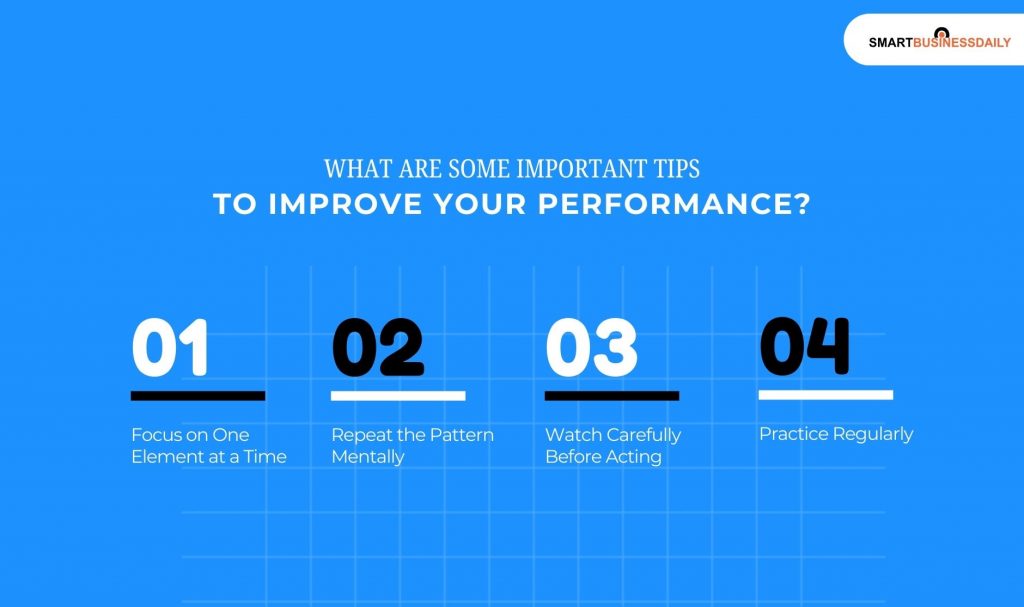
1. Focus on One Element at a Time
Do you know what I do when the sequences get long? I do not try to memorize the entire block at once.
Instead, I break the sequence into smaller, manageable chunks.
For example, if the sequence is six steps long, think of it as two sets of three.
2. Repeat the Pattern Mentally
As the game shows you the sequence, whisper the colors or numbers to yourself.
Additionally, you repeat them in your head.
This internal repetition creates a stronger memory trace. Therefore, it makes it easier to recall the pattern when it is your turn to act.
3. Watch Carefully Before Acting
It is tempting to start clicking as soon as the first few elements appear.
However, rushing is the easiest way to make a mistake.
Wait until the entire sequence is finished and take a brief half-second breath before you begin your input.
4. Practice Regularly
Memory is a skill that improves with consistency.
Therefore, I would recommend that you play for just five minutes a day.
I can assure you that this can yield better results for your cognitive processing speed than playing for an hour once a month.
What Are Some Common Mistakes Players Make
1. Rushing Through the Sequence
Impatience is the primary reason most players fail.
Therefore, I suggest that you don’t move too fast.
If you do, you might click the wrong button. In fact, this will happen even if you knew the correct order in your head.
2. Losing Focus Mid-Game
I don’t allow even a split-second distraction when I am playing. In fact, I present the smallest one like a notification on my phone.
I can assure you that it can break your concentration.
If you lose the “thread” of the sequence, it is almost impossible to recover mid-round.
3. Ignoring Patterns
Many people treat each step as a random event. In reality, sequences often have a rhythm or a predictable flow.
Therefore, I genuinely suggest that you don’t ignore these patterns.
Then, you are making the game much harder for yourself than it needs to be.
4. Skipping Practice
Some players get frustrated after a few losses and give up. Memory games require repetition to build the necessary mental stamina.
Why Memory Games Are Good for Brain Health?
1. Mental Stimulation
An idle brain can lead to cognitive decline over time.
By engaging with interactive challenges, you keep your mind active, sharp, and engaged with the world.
2. Improved Cognitive Function
Beyond just memory, these games strengthen your overall thinking abilities.
This includes your ability to solve problems, make decisions quickly, and process new information.
3. Stress Relief
Surprisingly, simple games can be very relaxing.
The repetitive nature of the Google Memory Game allows you to enter a flow state.
Therefore, this can help lower stress levels after a long day of work.
4. Useful for All Age Groups
I have suggested this game to many students trying to ace an exam.
At the same time, I have also recommended this to professionals looking for an edge.
Therefore, all I am saying is that everyone can benefit from better memory.
It is a universal tool for self-improvement.
The Dynamics Of Google Memory Game Explained
The Google Memory Game is a perfect example of how technology can be used for more than just entertainment.
It is a powerful, free tool. Additionally, it boosts your brainpower. In fact, I also use this to improve my focus.
Therefore, I suggest that you understand the rules properly.
Also, I would ask you to apply a few simple strategies, you know, the ones I have mentioned!
Then, you can significantly enhance your cognitive performance while having fun.
I encourage you to take five minutes today to test your skills.
Whether you are playing on a desktop or your phone, the challenge is waiting for you.
Can you beat your highest score? Give it a try and see how sharp your memory really is.




Related Articles



Comments Are Closed For This Article