








How SMB Leaders Can Prevent Burnout in Teams with the Right Tools
12 December 2025
5 Mins Read

- Understanding The Real Causes Of Burnout
- Recognizing Burnout In Your Workforce
- Smarter People Management Begins With Strong HR Systems
- Building A Culture That Values Balance
- Using Data To Strengthen People's Decisions
- How Professional Employer Organizations Support Leaders
- Supporting Leaders Through Connection And Development
- The Lasting Value Of Smarter People Management
- Building Sustainable Success
When you are managing a growing business, you require three specific things: energy, focus, and flexibility! The pace may feel overwhelming for many small and mid-sized SMB leaders.
The leadership burnout is no longer a personal issue! In this current space, it is more like a legitimate business concern that can strongly affect-
- Employee morale
- Productivity
- Overall business growth

But how to prevent burnout at work? Well, you have to choose the smarter way, not the harder one!
When the leaders start to create strong strategies, on how they manage everything and support their people. Or the way they want to protect their own well-being and help the team become more resilient and productive!
Preventing burnout is not about working harder but smarter. When leaders strengthen how they manage and support their people, they protect their own well-being and help their teams become more resilient and productive.
Understanding The Real Causes Of Burnout
Before we start to learn about how to prevent burnout at work! First, it is necessary to understand the real causes behind it!
Burnout is not an overnight event. It grows slowly when the encouragement is low, and the strain increases.
Most of the leaders handle hiring, payroll, compliance, and employee relations with minimal or no assistance from a human resources company to ease the burden. Being constantly busy can be exhausting for focus, motivation, and energy.
A Harvard Business Review study found that unclear priorities, lack of support, and the inability to take meaningful breaks are leading causes of leadership burnout.
Leaders who attempt to accomplish everything alone rarely have time to concentrate on strategy or innovation.
Smarter people management helps restore balance. With clear systems, roles, and effective HR practices, leaders can delegate more effectively and focus on long-term growth rather than day-to-day survival.
Recognizing Burnout In Your Workforce
It’s not only leaders who are at risk. Employee burnout affects the entire organization. The typical symptoms include decreased engagement, increased absenteeism, and reduced collaboration.
So, while understanding how to prevent burnout at work, it is necessary to learn how grow into management issues over time, further burdening leaders.
The Society for Human Resource Management (SHRM) reports that 45% of U.S. workers experience emotional burnout at least once a week.
The ability to identify these signs early enables leaders to tackle the underlying causes before performance and morale decline.
A free, encouraging environment where employees can talk openly about stress or burnout can make a difference.
Periodic check-ins and feedback help teams maintain focus, reduce pressure, and improve well-being.
Smarter People Management Begins With Strong HR Systems
Smarter people management starts with structure. The systems facilitate coherence, lessen misunderstandings, and make decision-making simpler for the leaders.
Partnering with a human resources company that provides reliable HR management systems can help leaders streamline payroll, benefits, and compliance.
When such functions are effective, leaders spend less time on administration and focus on mentoring and building their teams.
The collaboration with HR professionals also simplifies compliance tasks and documentation.
The clear procedures help set expectations, establish accountability, and prevent minor issues from escalating.
Well-defined HR systems also make it easier to maintain compliance and create a positive employee experience.
Building A Culture That Values Balance
One of the barriers to burnout is a healthy culture. Balance is not a trend but a long-term strategy for productivity.
Employees and leaders work better when workloads are manageable, and communication is open.
Leaders set the tone. The teams will follow their example by observing healthy boundaries, taking frequent breaks, and being free in action.
Trust and motivation mainly depend on those small but significant things that people do for each other.
Those small things include recognizing success, holding check-in meetings more frequently, or giving a bit of flexibility in terms of time.
Hybrid working or flexible working hours improve the mood of workers and their intention to remain with the company drops.
These actions, when combined with positive leadership and heartfelt thankfulness, create a solid high-performing workplace atmosphere even when the situation is difficult.
Using Data To Strengthen People’s Decisions
Data-driven insights play a major role in promoting workplace well-being. The trends monitored by HR analytics systems include absenteeism, turnover, and engagement surveys. Examining these measures helps in detecting burnout before it deteriorates performance.
These tools are helpful to SMBs with small HR departments. They make data-driven decisions on staffing, training, and division of work rather than guessing.
Data-driven management is not a substitute for empathy. It improves it. Knowing what employees require most, leaders can provide them with specific help and keep their teams healthier and more balanced.
How Professional Employer Organizations Support Leaders
Partnering with a professional employer organization (PEO) is one effective way to reduce leadership burnout. PEO collaborates with companies on HR services, including payroll, worker benefits, workers’ compensation, and compliance.
This partnership enables the leaders to delegate complicated administrative tasks without losing control of business processes.
By keeping these responsibilities under control, leaders can focus on strategy, innovation, and team engagement rather than on paperwork.

Source: insta_photos/Shutterstock.com
The provision of comprehensive benefits, such as medical insurance, pension schemes, and health programs, is a sure way to enhance employee morale and retention across all levels of the organization.
Good benefits enable workers to feel valued, which is instrumental in building a stronger company culture and commitment.
By working with a PEO, small and medium-sized enterprises can tap into the resource pool typically available to big corporations.
They can efficiently manage their workforce, stay compliant, and reduce the risk of employee fatigue and burnout.
Supporting Leaders Through Connection And Development
Preventing burnout is not merely about reducing workloads but rather about building resilience.
Leadership development, mentoring, and coaching programs help leaders look back to gain perspective and the competencies to address challenges effectively.
Symptoms of fatigue tend to emerge when leaders and colleagues talk with each individual about objectives and work demands, enabling them to address issues early.
Effective communication regularly creates emotional support and cooperation, reminding leaders that they are not alone in dealing with challenging business requirements.
Effective peer networks also encourage mutual learning. By sharing thoughts and experiences, leaders are better positioned to continue motivating their teams to succeed and to overcome growth and changeover periods.
The Lasting Value Of Smarter People Management
Smarter people management is not about fixation. It is more about the long-term commitment to the business’s health.
You just need three things for better stability and trust!
- A structured HR system
- Good workload distribution
- Appropriate communication
Companies that focus on people management have experienced better productivity, retention, and leadership participation.
Through reactive-to-proactive management, leaders can easily avoid burnout! This can help them and their teams achieve sustainable progress.
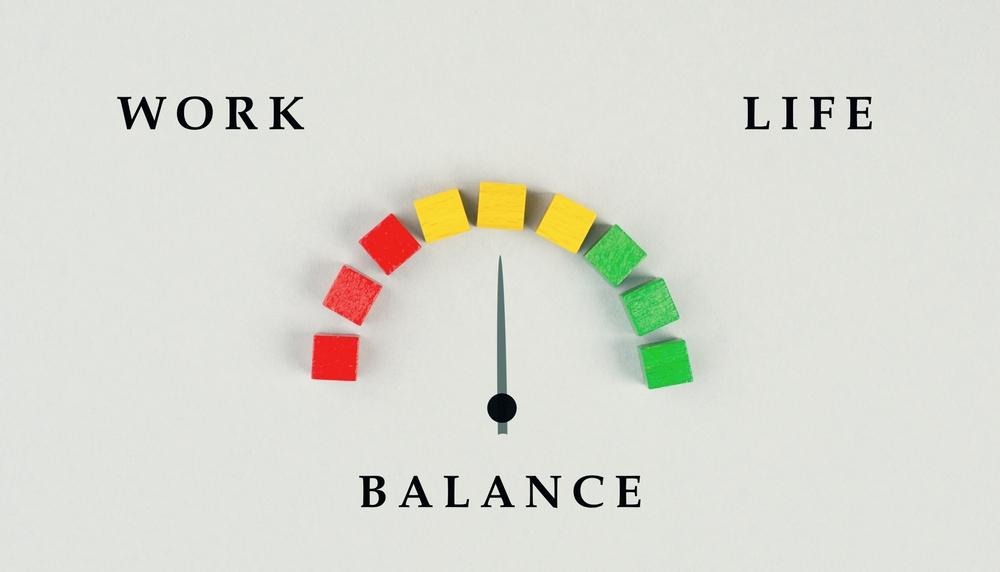
Source: Berit Kessler/Shutterstock.com
Building Sustainable Success
Preventing burnout requires awareness, consistency, and empathy. Leaders build stronger and more sustainable organizations by creating a balanced system.
This empowered employees, and they consulted with professional HR assistance when necessary.
Smarter people management helps turn around burnout issues into growth opportunities. Leaders can sustain their energy and motivate their teams.
This allows them to manage their growing businesses with decisiveness and clarity, using structure, information, and emotions.




Related Articles



Comments Are Closed For This Article