








Adding Value To Your Commercial Property With Post Construction Cleaning
5 Mins Read
Published on: 09 December 2025
Last Updated on: 08 August 2026
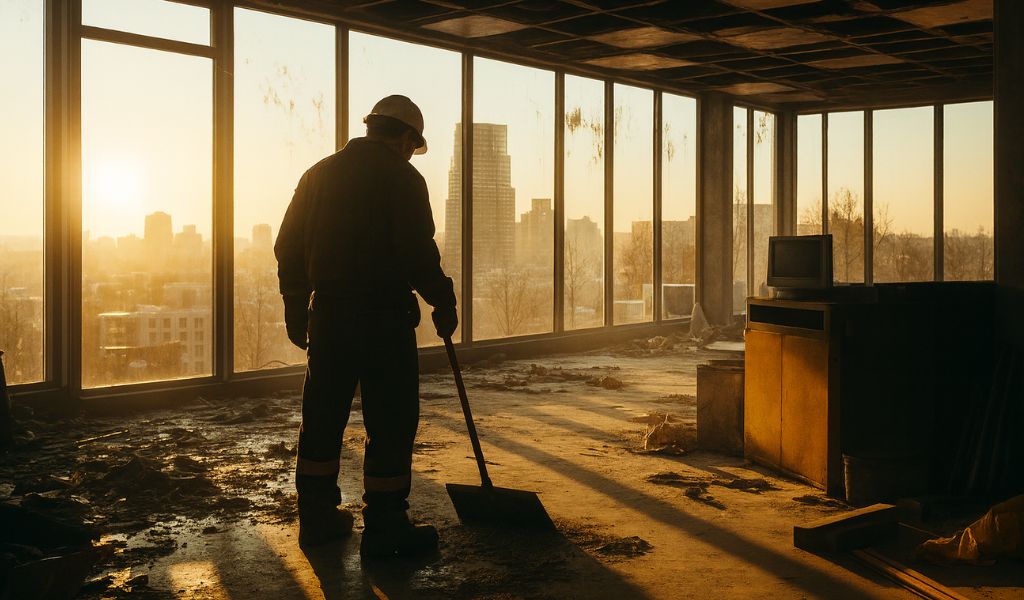
Commercial properties often look messy once construction wraps up. Dust sits on floors and fixtures, scraps hide under equipment, and fine particles drift through the air.
Many owners want a space that feels ready for occupancy, but the handover stage usually needs more attention before anyone can use the building comfortably.
Post construction cleaning fills that gap. The work creates a space where people can walk safely, identify any issues that slipped through, and plan how to set up equipment or furniture.
Why Post Construction Cleaning Adds Real Value?
Many commercial spaces contain materials that show every smudge. Metal panels, smooth flooring, glossy trims, and interior glass reveal streaks or residue after construction.
A clean surface helps people see the actual state of the building. It becomes easier to spot imperfections or small fixes that may need attention.
Dust removal also improves visibility, especially near ceilings or fixtures where grime can collect in hard-to-reach spots.
Another factor relates to how the finished space will be used. People move through commercial properties in large numbers, and heavy foot traffic begins quickly once operations start.
A clean environment supports that transition. Construction debris can create hazards if left behind. Nails, screws, and small fragments can sit unnoticed along walkways or storage areas. Cleaners pick up those hazards, so move-in day feels smooth.
Freshly finished spaces also benefit from improved indoor air quality. Dust often ends up inside vents after construction.
Once the HVAC system runs, particles can circulate and settle elsewhere. Cleaning out those areas gives the building a healthier start. It also reduces early maintenance needs.
What Does A Full Post Construction Clean Usually Cover?
Property teams often look at the common types of post construction cleaning to understand what the service involves. Floors usually need the most attention, since dust and scraps settle there throughout the build.
Vacuum cleaning helps remove loose material from carpets or textured surfaces. Hard floors may require polishing or specialized products to bring out their finished appearance.
Exterior paths or loading zones sometimes call for pressure washing, especially if heavy equipment has moved across them.
Interior areas collect residue no matter how carefully the construction crew tries to be. Interior windowsills, trims, railings, and light fixtures typically gather dust. A cleaner will wipe those down so they match the rest of the room.
Surfaces made from stainless steel or similar materials need gentle products to avoid scratches. Paint messes sometimes appear on doorframes or edges, and cleaners often handle those small corrections.
Commercial cleaning services’ cleanups also involve waste handling. Some materials fall into hazardous waste categories. Cleaners follow disposal rules so nothing creates complications later.
Many owners care about sustainable waste management as well, and cleaning teams often help sort items or separate materials so disposal follows those expectations. Waste disposal should be organized early to prevent repeat traffic through cleaned areas.
How Cleaning Supports Turnover And Inspections?
A clean space makes turnover simpler. Furniture installers, equipment technicians, and internal teams can move freely without stumbling over piles of scraps.
A clear floor also helps avoid damage when people push carts or place boxes in newly finished rooms. Dust can act like sandpaper, so removing it protects anything that comes in contact with the surface.
Inspectors often prefer buildings that present each element clearly. Dusty surfaces hide imperfections and make it harder to judge workmanship. Clean lines and visible edges help building inspections focus on what matters.
Many property owners schedule the final inspection once the cleaners complete their work. The space looks more organized, and every detail can be examined without distraction.
Cleaning also protects mechanical systems. Fine particles left behind during construction can travel into machines or vents. Equipment used by tenants or staff may run more smoothly in a clean environment.
Long-Term Value For Property Owners
Post construction cleaning influences long-term upkeep. Residue sitting on floors or surfaces can cause wear earlier than expected.
Removing grit helps maintain finishes so property teams can focus on routine tasks instead of constant repair. Commercial buildings receive regular cleaning after occupancy, but that routine becomes easier when the space begins in a clean condition.
Ventilation systems also benefit from this preparation. Dust trapped in air vents can cause issues once the building experiences heavy use.
Cleaning those areas before occupation lowers stress on the system. It also improves airflow since the system does not have to push through leftover debris.
A clean handover improves organization for the property team. Housekeeping services usually appreciate starting with clear surfaces and uncluttered rooms. The early order helps them build consistent routines.
Managers also communicate more effectively with tenants or internal teams when the building begins from a predictable baseline. Clear communication channels form early because everyone can focus on actual tasks instead of sorting through clutter.
Working With Post Construction Cleaners
Many owners bring in a cleaning crew once their construction project reaches the end. Commercial buildings vary widely, from offices to retail spaces to warehouse-style structures.
Cleaners often need information about the layout, materials, and any special surfaces that require attention. Some companies offering professional cleaning focus on large facilities, while others handle mixed-use spaces.
Initial conversations usually help shape the plan. Managers explain which areas require deeper attention and point out sensitive surfaces or newly installed fixtures.
Cleaners may ask about debris levels or whether any equipment remains in the building. They bring cleaning equipment that suits the property’s size and condition.
Timing plays a major role. Cleaners need access once most trade work slows down. A clean space loses its freshness if contractors return for last-minute fixes.
Many owners schedule cleaning in stages. Early cleaning removes bulk debris, and later cleaning focuses on details once construction activities wind down.
Exterior areas also need attention. Outside stuff like dust, loose soil, and tracked material can move into the building during the first days of occupancy.
Cleaning those entry points helps maintain the interior and supports a smoother transition into regular operations.
Importance Of Post Construction Cleaning
Post construction cleaning prepares commercial properties for safe use, smooth inspections, and efficient move-in. Removing dust, residue, and leftover material helps protect new surfaces and creates a cleaner start for tenants and employees.
It also supports early maintenance planning, protects mechanical systems, and reduces avoidable hazards. Commercial buildings benefit from this attention because it sets the tone for daily operations, inspections, and long-term upkeep.
Proper cleaning shapes how the space functions once the doors open, giving property managers a practical foundation for the next phase.




Related Articles



Comments Are Closed For This Article