








Top 7 Risks Restaurants Face—And How Insurance Protects You
27 December 2025
5 Mins Read

- What Are The 7 Risks Restaurants Face?
- 1. Customer Injuries And Slip-And-Fall Accidents
- 2. Foodborne Illness Or Contamination
- 3. Property Damage And Equipment Failure
- 4. Theft And Vandalism
- 5. Fire And Natural Disasters
- 6. Employee Injuries
- 7. Cybersecurity And Data Breaches
- Additional Tips For Restaurant Risk Management
- Benefits Of Comprehensive Restaurant Insurance
- Implementing A Proper Restaurant Risk Management System
Running a restaurant isn’t some smooth, predictable process. Some days are great. Some days feel like everything is about to break at once.
Anyone who’s been in this business longer than five minutes knows that. Stuff happens. Sometimes small stuff. Sometimes the kind that keeps you up at night.
There are risks everywhere in a restaurant. Customers, staff, equipment, weather, and even computers now.
Restaurant insurance doesn’t stop problems, obviously. But it does stop one bad situation from turning into a financial mess that’s hard to crawl out of.
So, if you are wondering how insurance can help in restaurant risk management, I have got you covered.
Here, in this article, I am going to focus on 7 major risks restaurants face and how insurance can help manage them.
So, hold on to your curiosity and come dive in!
What Are The 7 Risks Restaurants Face?
Working in the food business is not a piece of cake. With every new order comes a different kind of risk or issue. So, here are 7 risks restaurant owners deal with more often than they’d like.
1. Customer Injuries And Slip-And-Fall Accidents
Restaurants are busy. People move around without looking. Drinks spill. Floors get slippery. Chairs get pulled out. Someone trips, slips, or loses balance.
It happens faster than you’d think.
Sometimes it’s nothing. Sometimes it turns into a complaint. And, sometimes it turns into paperwork and phone calls, and stress you didn’t plan for.
Even when you feel like it wasn’t really your fault. Public liability insurance exists for this exact reason.
If a customer gets hurt, it helps cover the legal side and compensation costs. Signs and clean floors help, sure, but they don’t prevent every accident. Nothing does.
2. Foodborne Illness Or Contamination
Food safety is one of those things you can’t ever fully relax about. Storage, temperature, preparation—something can go wrong even when everyone’s trying to do things right.
One customer feeling sick can turn into reviews, complaints, or worse. And once that starts, it’s hard to slow it down.
Product liability insurance helps when claims come up around food poisoning, allergens, or contamination.
Legal fees and settlements add up quickly. Insurance doesn’t undo damage, but it keeps the situation from spiraling financially.
Training helps. Clean kitchens help. Still, mistakes happen.
3. Property Damage And Equipment Failure
Equipment doesn’t break when it’s convenient. It breaks during service. Or late at night. Or when you’re already stretched thin.
Fires, leaks, power issues, worn-out machines—restaurants depend on equipment constantly, and when it fails, everything else feels it.
Property insurance helps cover damage to things like appliances, furniture, and fixtures.
Equipment breakdown coverage helps when key machines suddenly stop working. Maintenance reduces risk, but it doesn’t eliminate it.
4. Theft And Vandalism
Restaurants keep valuable things on-site. Cash. Alcohol. Inventory. Equipment. That makes them a target sometimes.
Break-ins, vandalism, missing stock—it’s frustrating, and it’s expensive. And it usually happens when you’re not there.
Property insurance helps cover losses from theft and damage. Some policies even include stolen cash.
Security cameras and alarms help discourage problems, but they don’t guarantee anything.
5. Fire And Natural Disasters
Fire is a constant risk in kitchens. Heat, oil, gas, electricity—all in one place.
Add storms, floods, or other natural events, and suddenly you’re dealing with damage you didn’t see coming.
Property insurance covers physical damage. Business interruption insurance helps when you’re forced to close and lose income during repairs.
That part matters more than people realize.
Fire suppression systems and emergency plans help reduce damage, but insurance is what keeps things from collapsing financially.
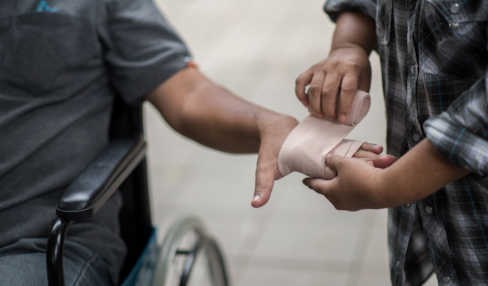
6. Employee Injuries
Restaurant work is physical. Cuts, burns, slips, lifting injuries—it’s part of the environment. Even experienced staff get hurt sometimes.
When that happens, medical bills and time off follow quickly.
Workers’ compensation insurance covers medical care and wage replacement for injured employees.
It protects staff and protects owners from legal trouble. Training helps, but accidents still happen.
7. Cybersecurity And Data Breaches
Restaurants use technology for almost everything now. Payments, orders, reservations, loyalty programs. It’s convenient, but it’s not risk-free.
Data breaches can expose customer information and damage trust quickly. And most owners don’t think about it until it happens.
Cyber liability insurance helps cover legal costs, notifications, and system recovery after a breach. Secure systems reduce risk, but nothing is perfect.
Additional Tips For Restaurant Risk Management
Insurance helps when things go wrong. But prevention helps before that. So, here are some preventive tips that can help in the restaurant risk management—
- Training the staff more often to handle complex tasks.
- Maintaining the equipment to prevent disasters and machinery breakdowns.
- Using proper security systems to prevent theft and robberies.
- Keeping the kitchen spotless to avoid food contamination.
- Checking the insurance validity regularly to renew it on time.
Even though these little tips seem like a lot, they are not. That is, you can keep these few things under check and implement a proper restaurant risk management system.
Benefits Of Comprehensive Restaurant Insurance
The right insurance setup helps in various ways. So, some of these benefits include—
- Protects against unexpected costs,
- Reduces constant stress and worry,
- Helps meet legal requirements,
- Supports business continuity,
- Handles claims professionally.
So, overall, it creates the picture of how well the business is prepared to take on market responsibilities. Allowing business owners to make informed decisions.
Implementing A Proper Restaurant Risk Management System
Restaurants face risk daily. Some obvious. Some unexpected.
So, understanding those risks and having proper insurance in place makes the difference between recovering and struggling.
Moreover, the insurance, along with a proper restaurant risk management system, can prevent high risks. Keeping the business growing over time.
Now, coverage like public liability, product liability, property, business interruption, workers’ compensation, and cyber liability helps owners stay protected when problems come up.
So, remember, a well-insured restaurant doesn’t avoid problems—it survives them. And that matters more than most people realize.
Now, if you are in the food industry and constantly facing issues, it is high time to employ some of these restaurant risk management tips to prevent risks in the future.




Related Articles


Comments Are Closed For This Article