








Why Your Business Needs Reliable Shelter Systems For Operations?
8 Mins Read
Published on: 12 March 2025
Last Updated on: 08 August 2026

- Understanding Shelter Systems For Business:
- Key Features Of Modern Shelter Systems:
- 1. Durability And Strength:
- 2. Energy Efficiency:
- 3. Modular And Scalable Design:
- 4. Smart Integration:
- 5. Internet of Things (IoT):
- Sustainable Features Of Modern Shelters:
- Materials:
- Solar:
- Water Conservation:
- Thermal Effectiveness:
- Global Impact:
- Benefits Of Facility Systems For Business:
- Protection Of Assets:
- Worker Safety And Well-Being:
- Operational Efficiency:
- Business Continuity:
- Real World Applications:
- Retail:
- Manufacturing:
- Healthcare:
- Agriculture:
- Cost Analysis: Traditional Vs Modern Construction
- Smart Integration In Modern Homes And Businesses:
- Shelter Systems For Business: An Essential Parameter To Consider For Expansion
Today, in a competitive business landscape, having reliable shelter systems for business is no longer enough; it has become a very important ingredient in success.
The physical infrastructure supporting the work should be rugged, sustainable, and adaptable, whether it’s a manufacturing plant, retail shop, logistics hub, or office space.
An efficiently working shelter intuitively guarantees the safety of premises, personnel, and machinery and creates an environment conducive to enterprise productivity, efficiency, and growth.
The next level explains why businesses should maintain a reliable shelter system to ensure smooth operations.
Understanding Shelter Systems For Business:
From the developed world’s perspective, many different shelter paradigms have significantly changed in their impact in the past few decades.
Businesses are increasingly recognizing their value in everyday operations.
For example, in construction, large area maintenance shelters provide on-site storage for equipment and materials, protecting them from weather-related damage.
Modern shelter systems integrate advanced materials, cutting-edge technologies, and sustainable practices to create functional, highly cost-effective, and versatile structures.
These systems provide protection but also focus on maximizing operational efficiency, minimizing environmental impact, and guaranteeing long-term sustainability.
Key Features Of Modern Shelter Systems:
Modern shelter systems have various features to meet diverse needs and challenges.
Dependable storm shelter systems engineer to withstand extreme weather conditions, ensuring safety and operational continuity even in harsh environments.
1. Durability And Strength:
Modern shelter systems are built to withstand various external pressures, such as harsh weather conditions, seismic activity, or heavy industrial use.
These shelters are designed to last decades and minimize maintenance and repair costs. They use modern materials such as reinforced steel, high-performance concrete, and durable polymers.
With high structural integrity, these shelters result in no or minimal operational downtime, as they sustain the least damage during extreme weather or other impactful events.
2. Energy Efficiency:
Energy efficiency is one of the most characteristic features of modern sheltering systems.
These buildings are built with advanced insulation materials, energy-efficient windows, and reflective roofing that helps maintain or regulate indoor temperatures.
In doing so, they require fewer heating or cooling systems, thereby saving businesses energy and utility costs.
Some modern shelters also feature energy-saving technologies, such as LED lighting and solar panels, further reducing their environmental footprint.
3. Modular And Scalable Design:
Encouragingly, modern shelter systems tend to have modular designs that can adapt to the needs of a growing business.
Whether the business wants more offices, storage areas, or production rooms, a modular shelter system allows for easy, least-disruptive expansion within its operational limits.
This adaptability is significant for companies on a fast track to growth or those in industries with space demand patterns that can change nearly overnight.
Flexible adjustments of modern shelter systems help businesses remain fast and cost-efficient by eliminating the need for new investments in building sites.
4. Smart Integration:
The increase in smart technologies is assisting in various modern shelter systems. Climate control system technologies with advanced capabilities to maintain optimum temperature.
Some examples include air quality and automated security features such as surveillance cameras, motion sensors, and access control systems.
This smart move can help the business streamline operations, manage energy use, and handle security.
5. Internet of Things (IoT):
Devices and smart sensors embedded within the shelter system can track energy usage, environmental conditions, and other factors, allowing business owners to make decisions based on real-time data.
Sustainable Features Of Modern Shelters:
The industry today is heightened in its sense of sustainability.
The trend towards environmentally conscious sheltering design has undoubtedly influenced contemporary construction.
Today, shelters have moved beyond sustainability to include long-term considerations, such as costs and environmental impacts.
Materials:
Many recently built shelter systems are manufacturing the latest renewable or recyclable products. Such as sustainably harvested timber, low-emission insulations, and eco-friendly concrete mixes.
These materials thus contribute to environmental conservation, as reflected in green building standards and certifications such as LEED (Leadership in Energy and Environmental Design).
Solar:
Modern approaches have always included placing solar panels or other renewable energy systems in shelters.
Various sectors discourage dependence on fossil fuels, and selling energy generated by solar panels back to the grid benefits the company.
Water Conservation:
Water conservation features in a modern shelter are rainwater harvesting, greywater recycling, and water-saving plumbing fixtures.
Therefore, these programs help businesses reduce water consumption, cut water bills, and promote sustainable resource management.
Thermal Effectiveness:
Insulations and energy-efficient windows would keep a building’s temperatures in without the need to heat or cool it from outside sources.
For instance, insulated walls and roofs in colder climates keep in heat, which benefits businesses.
Those operating in warmer climates would prefer materials that minimize solar heat gain.
Global Impact:
The global shift toward sustainability further underscores the growing number of countries committing to net-zero pledges.
Notably, 19 G-20 members, representing over 90% of global GDP and 80% of global CO2 emissions, have made such commitments.
This highlights the increasing importance of carbon pricing and emissions regulations for businesses.
Benefits Of Facility Systems For Business:
So without wasting time, let’s check out the different benefits of facility systems for business:
Protection Of Assets:
An efficient and effective protection system should safeguard various business assets.
All assets, including large amounts of machinery, inventory, and intellectual property, are vulnerable to theft or damage from the elements.
For instance, warehouses and factories usually store very expensive equipment that is vulnerable to theft or damage from the elements.
This strong, durable shelter works well for safely storing and operating these valuables.
Worker Safety And Well-Being:
Employee productivity and morale must be supported by a comfortable, safe, and healthy workplace.
Developments in modern shelter systems aim to improve the working experience through ergonomically designed layouts, coupled with well-ventilated spaces that offer warmth from generous natural light.
Climate control systems will keep people comfortable regardless of what the external weather reports indicate, improving concentration and reducing absences.
Operational Efficiency:
Modern shelter systems do more to align with operational efficiency. Conscious spatial planning; good materials with intelligent technologies.
Business Continuity:
The system of reliable shelters provides a continuity mechanism for businesses to operate effectively, even when external factors, such as natural disasters or supply chain disruption, disrupt them.
Modern shelters can include anything but a factory with backup power-generating systems or an office building where data is secured.
And these buildings would help a business maintain continuity even under challenging conditions.
Real World Applications:
The flexibility of modern shelter systems makes them useful across industries with varying requirements.
Below are some examples of how businesses in different sectors have relied on modern shelter systems:
Retail:
The business needs a shelter that protects the product, but, more importantly, the consumer must feel comfortable during the shopping process.
Modern retail shelters are expected to comprise features such as climate control and security systems, and flexible interior layouts that can be modified to fit seasonal or promotional needs.
Manufacturing:
Manufacturing facilities require shelter systems that are large, strong, reliable, and flexible enough to accommodate heavy machinery and large inventories while ensuring worker safety and comfort.
Shelters at modern manufacturing facilities are designed to withstand wear and tear, enhance worker safety through layout, and include systems to manage energy consumption and waste.
Healthcare:
Some shelters in hospitals and medical institutions can serve as sterilized, safe, and climate-controlled spaces for patients and staff.
Advanced shelter systems in healthcare facilities include air filtration, intelligent lighting, and energy-efficient climate control, ensuring adherence to the most stringent safety and comfort standards.
Agriculture:
Highly dependent on shelter systems, such as farms and greenhouses, for crop and livestock protection, modern agricultural shelters have integrated weather and harsh conditions.
Cost Analysis: Traditional Vs Modern Construction
When we compare traditional construction methods with modern shelters, the long-term benefits of the latter often outweigh the initial costs they may appear to have.
Even though traditional buildings may not be lower in how much one needs to invest upfront, modern shelter systems can save significantly in the following ways:
- Lower Energy Costs: Modern shelters operate more efficiently, reducing the cost of heating, cooling, and lighting.
- Less Maintenance: Modern shelter systems are durable, resulting in fewer repairs and thus lower maintenance costs.
- Quick Construction: With modular shelters, construction can be completed quickly, avoiding lengthy downtime and enabling faster business operations.
- Flexibility: Modern shelters can be reworked or modified swiftly, so businesses can avoid the costly need for rebuilding when needs change.
Smart Integration In Modern Homes And Businesses:
Modern-day shelter systems increasingly incorporate smart home and business technologies.
For instance, businesses embed smart sensors for temperature, security, and inventory management.
These technologies can have a promising, positive impact on operational performance and efficiency, reducing energy consumption.
Likewise, smart homes and residential buildings use the same technologies to optimize comfort, security, and energy management.
In both scopes, intelligent systems integration optimizes performance and reduces costs, improving sustainability.
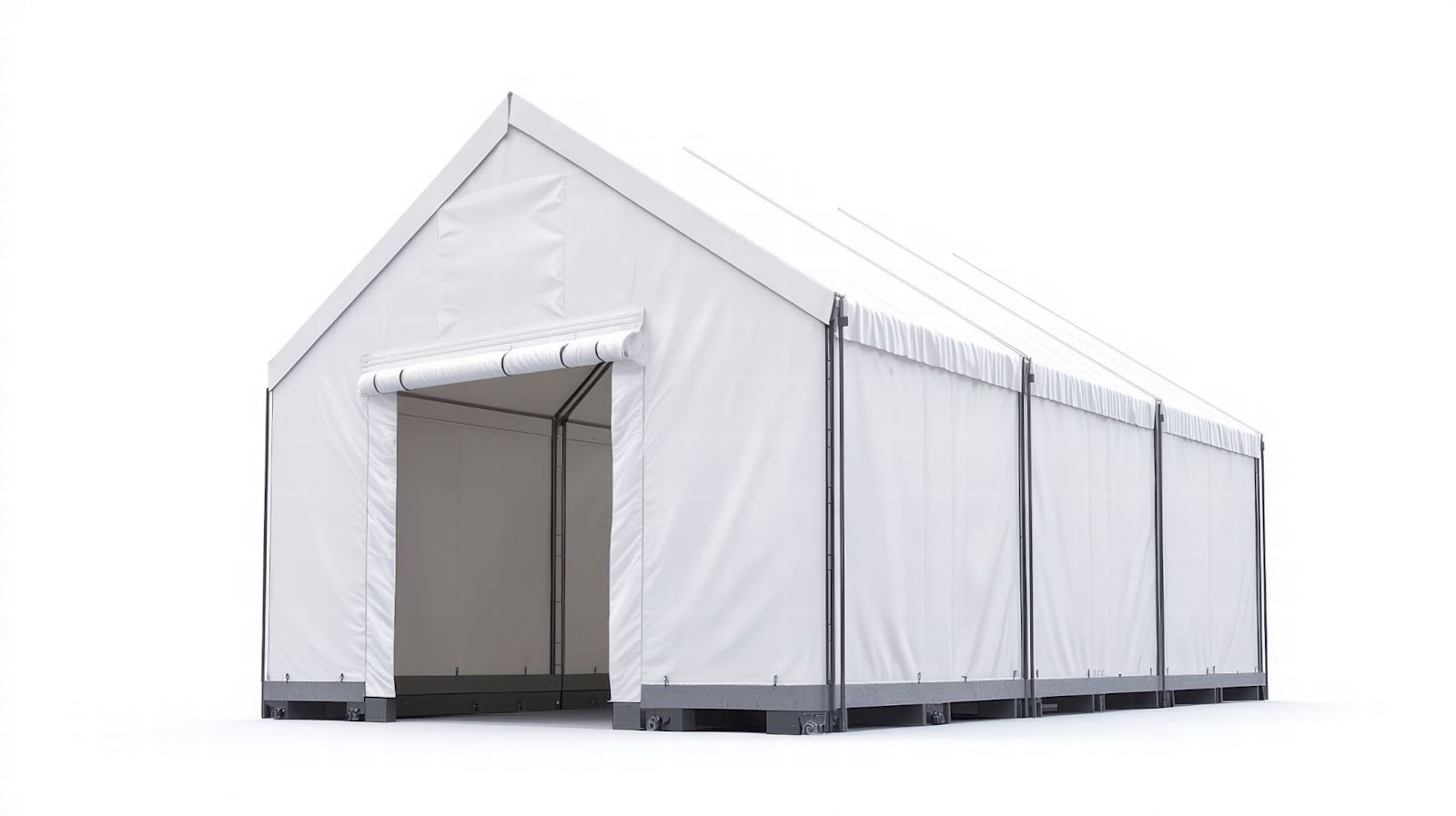
Shelter Systems For Business: An Essential Parameter To Consider For Expansion
More than physical space, a reliable shelter system for business constitutes the bedrock of a successful and sustainable business.
Due to their durability, energy efficiency, flexibility, and sustainable features, today’s shelter systems offer businesses an edge in growing and thriving in an increasingly complex environment.
A reliable shelter system invests in your business’s long-term success and resilience.
Many incentives exist for employing modern shelter systems, such as reduced operating costs, better workplace safety, and sustainability, etc.
READ MORE:




Related Articles



Comments Are Closed For This Article