








Wondering What Is Manufacturing Experience In 2026? Read This Detailed Blog To Answer All Your Queries!
8 Mins Read
Published on: 10 December 2025
Last Updated on: 25 April 2026

- What Is Manufacturing Experience?
- What Is The Practical Definition of Manufacturing Experience?
- What Are The Required Skills To Gain Manufacturing Experience?
- 1. Data Interpretation And Analytical Skills
- 2. Lean Manufacturing And Consistent Improvement Skills
- 3. Quality Control And Assurance Skills
- 4. Teamwork And Leadership Skills
- 5. Technical Competence Skills
- What Are The Different Levels To Gain Lean Manufacturing Experience?
- 1. Build A Technical Expertise
- 2. Get A Certification Or Get Specified
- 3. Check Out The Leadership Roles
- 4. Keep An Open Mind For Education
- 5. Grow Your Professional Network
- 6. Get Management Training
- How To Demonstrate And Articulate Your Manufacturing Experience?
- 1. Make It A Point To Highlight Your Achievements
- 2. Show Your Knowledge And Skills
- 3. Give Them Relevant Scenarios And Examples
- 4. Showcase Your Enthusiasm and Passion
My niece just came to me yesterday with a demand. She asked me for some advice on whether the manufacturing industry will be good for her.
Since I have been writing for business and finance since time immemorial, and I also have a knack for it, I thought she came to the right place.
So, while I was guiding my niece, I thought of doing the same to all my readers out there.
So, are you thinking about diving into the job market for the first time? Or are you considering switching careers?
Well, then I have good news for you. The manufacturing industry could be a great choice.
There are lots of entry-level positions available. So, you can get started even if you don’t have much experience.
However, keep in mind that some jobs do require prior manufacturing experience.
This leaves many potential applicants wondering what is manufacturing experience and how one can move forward.
If that sounds like you, here’s what you should know.
What Is Manufacturing Experience?
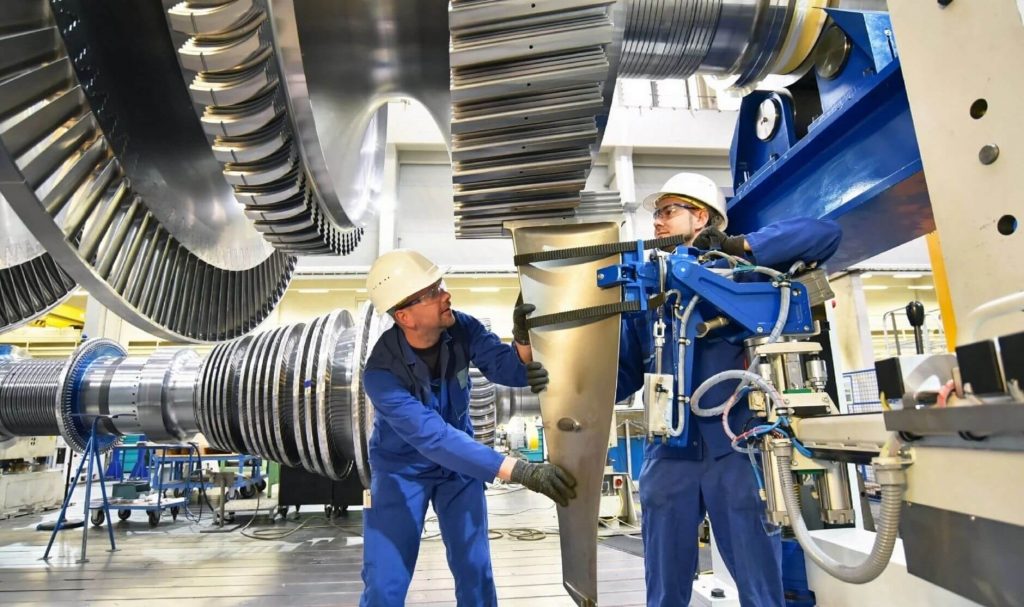
Manufacturing experience generally means getting hands-on with tools, machines, or just your own hands to make products or parts.
This could involve tasks like assembling, shaping, molding, joining, casting, or finishing items.
Additionally, manufacturing experience can include other related tasks. You might have to operate machines and drive forklifts.
In addition, you might also have to pick and pack. These are all important skills found in manufacturing settings.
In fact, they can count as relevant experience, too.
What Is The Practical Definition of Manufacturing Experience?
Manufacturing experience is all about getting your hands dirty in a production environment where goods are made, assembled, or processed. It often involves using various tools, machines, and technologies to turn raw materials or components into finished products.
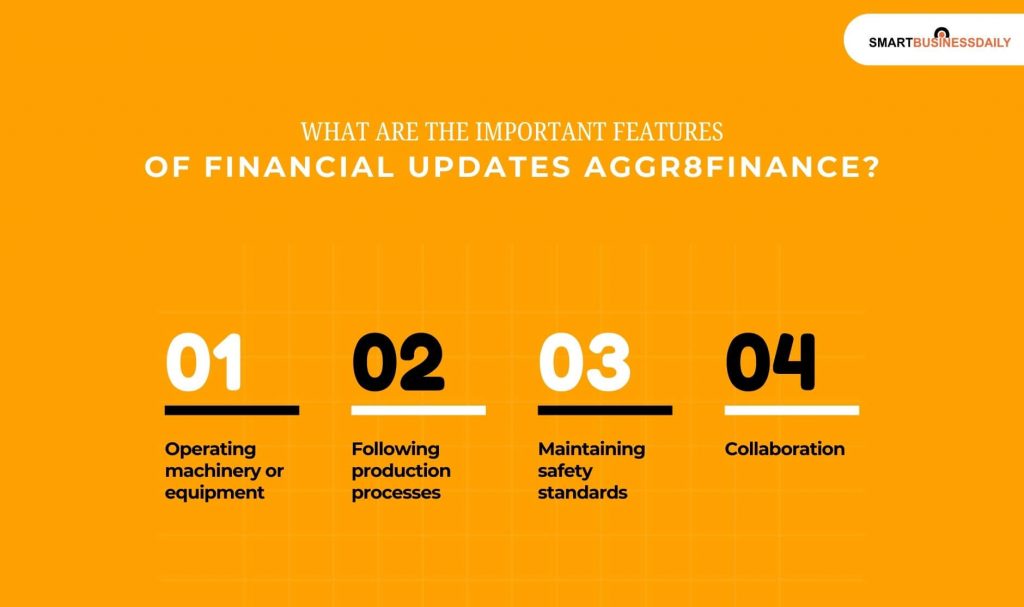
Depending on the specific job, there are a few common elements that most manufacturing roles share:
- Operating machinery or equipment: This includes running machines that put parts together or help produce the final products.
- Following production processes: Adhering to established procedures to ensure that everything is done accurately and efficiently.
- Maintaining safety standards: Using tools and machinery correctly and keeping safety a top priority in the workplace.
- Collaboration: Working alongside a team to meet production targets and streamline workflows.
In manufacturing settings, you’ll find a range of positions. Initially, you have to start with entry-level roles like assembly line jobs.
Then, you will move on to specialized positions such as CNC machine operators.
In fact, when you become seasoned, you can also work as quality inspectors, or maintenance technicians for production equipment.
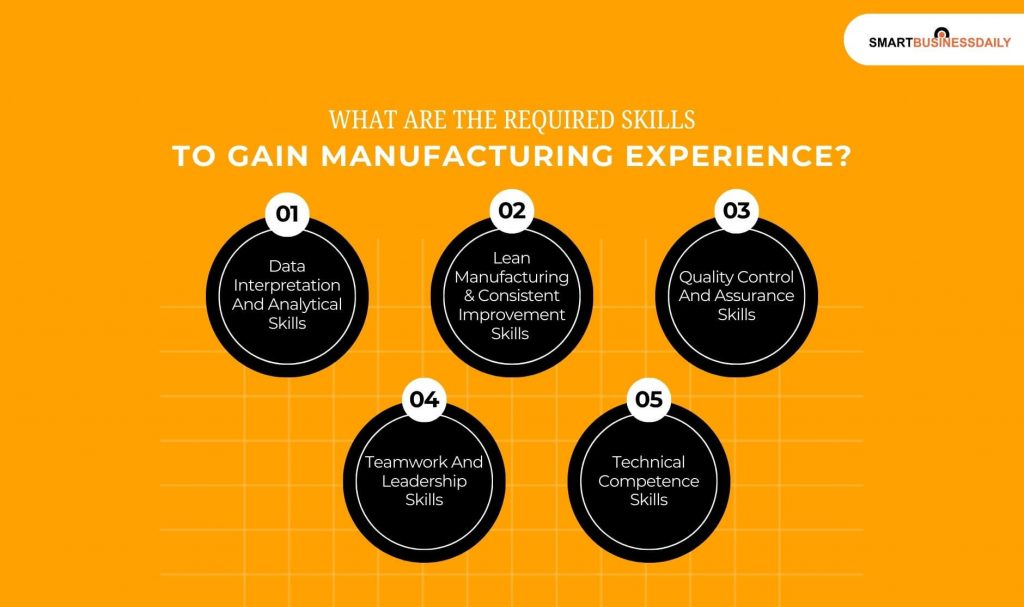
What Are The Required Skills To Gain Manufacturing Experience?
Employers really appreciate not just technical skills, but also important transferable skills that enhance productivity and teamwork. Here are some key ones:
- Problem solving Skills: The ability to spot and tackle production challenges effectively.
- Communication Skills: Working well with colleagues and supervisors to share ideas and updates.
- Time management Skills: Keeping on track to meet deadlines and work efficiently.
- Safety awareness Skills: Staying mindful of protocols to help create a secure work environment.
Well, I might just add that these four are all the pillars of the required skills for manufacturing experience.
You must also have a good understanding of all the skills that you will need in the field to perform. Let’s have a detailed look at this:
1. Data Interpretation And Analytical Skills
Having strong analytical and data interpretation skills allows employees to uncover valuable insights.
In fact, it also teaches them to make smarter decisions and contribute to business growth.
By providing training programs that enhance these skills, your organization can empower employees.
How will this help you? This will lead to better decision-making in manufacturing.
Additionally, it will increase operational efficiency and, ultimately, business growth.
2. Lean Manufacturing And Consistent Improvement Skills
Continuous Improvement and Lean Manufacturing skills will enable you as an employee to spot opportunities.
In fact, you will be very fast to enhance processes. In addition, you will have all the knowledge on how to effectively cut down on waste.
Also, guess what? boost efficiency.
So, organizations must invest in training programs centered around continuous improvement.
This way, they not only upskill their workforce. But also unlocks new avenues for growth and success.
3. Quality Control And Assurance Skills
How will this skill help you? Very simple. Firstly, you will benefit a lot from analysing and ensuring that your products match the consumer’s expectations.
Additionally, you will also be able to minimize the defects. In fact, you can enhance the overall reputation of your business.
So, you have to invest in training programs. In addition, these programs must focus on the assurance and quality control aspect of your business.
Then, your business will be able to upskill its employees and drive its growth by offering much better products and services.
4. Teamwork And Leadership Skills
Good leadership and teamwork are key to fostering a positive workplace. They not only boost productivity but also encourage a culture of innovation.
By offering training programs that focus on developing leadership skills and promoting teamwork, your organization can tap into greater collaboration and engagement among employees, leading to overall success in the business.
5. Technical Competence Skills
In today’s fast-paced business world, companies need to focus on the ongoing growth and development of their employees.
A key part of this is boosting technical skills through targeted training programs.
By investing in your team’s technical abilities, you open the door to numerous benefits that can drive your business forward.
Having strong technical skills is crucial for success in various roles within your organization.
It means having the knowledge and expertise needed to get the job done effectively and efficiently.
This encompasses understanding the specific technologies, tools, and processes that are essential to your industry.
What Are The Different Levels To Gain Lean Manufacturing Experience?
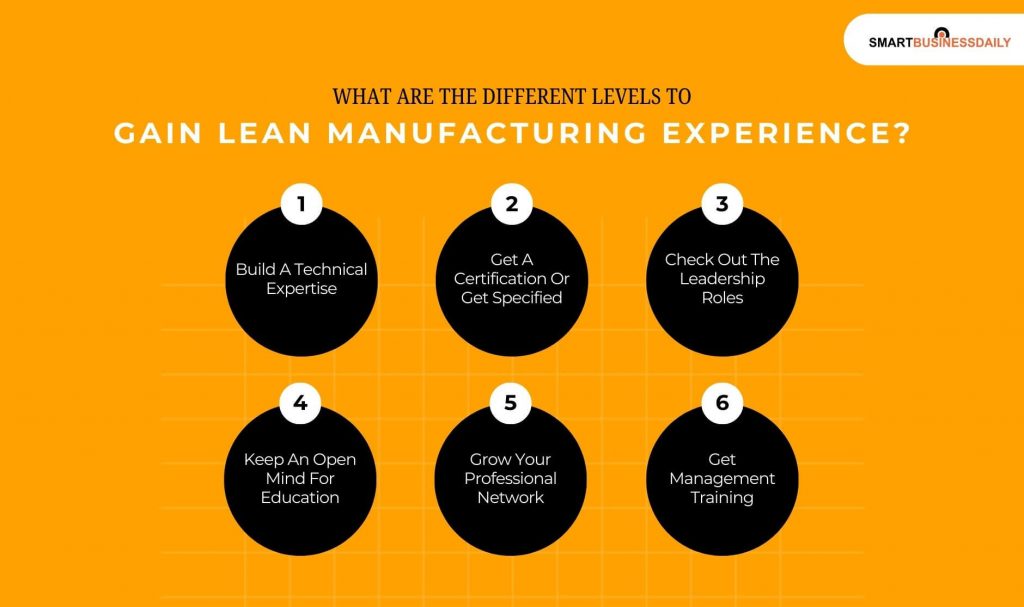
Of course, there are different ways to climb up the manufacturing experience ladder.
1. Build A Technical Expertise
You can also consider this as an entry-level experience in manufacturing skills.
One great way to boost your career is to enhance your technical skills. Picking up new abilities, like operating machinery, working with robotics, or mastering computer-aided design (CAD), can really make you stand out and become a more valuable member of your team.
2. Get A Certification Or Get Specified
Specialization and certifications can really make a difference in the manufacturing industry.
Focusing on a specific area, like CNC machining or welding, shows potential employers that you’re serious, skilled, and committed to your craft.
Plus, earning professional certifications, such as those offered by the National Institute for Metalworking Skills (NIMS), highlights your expertise in a particular area and helps you stand out among other job applicants.
3. Check Out The Leadership Roles
Jumping into a leadership role can really boost your career and growth in the manufacturing industry.
But before you take the plunge into management, it’s a good idea to get some experience under your belt.
Look for smaller leadership opportunities that come your way—like leading a team, managing a project, or mentoring someone.
These experiences are fantastic for practicing your skills and figuring out if a supervisory role is right for you.
Even if these roles seem small, they can help you develop important skills such as problem-solving, decision-making, communication, teamwork, and project management—skills that will be incredibly valuable as you work your way up in your career.
4. Keep An Open Mind For Education
In the world of manufacturing, being adaptable, flexible, and committed to learning is essential for success.
This industry is always changing, and it’s important to stay on top of those changes. So, keep an open mind and embrace opportunities to learn.
Look into workshops, seminars, and workforce training programs that can boost your knowledge and help you connect with others in the field.
You might also want to consider pursuing a degree or certification in specialized areas, especially in high-demand fields like automation, mechatronics, technology, and robotics.
5. Grow Your Professional Network
Building a strong professional network is key to advancing your career. Get out there and attend trade shows, career fairs, conferences, and industry events to connect with others in your field and keep up with new opportunities.
Don’t forget about online platforms like LinkedIn—they’re great for expanding your network and showing off your skills.
And if you’ve gone to a manufacturing school, stay in touch with your professors, career advisors, and industry connections who can support your growth.
6. Get Management Training
If you’ve had a taste of leadership and found it rewarding, you might think about moving up to a supervisory role.
Keep in mind that many manufacturing manager positions often require a college degree.
Pursuing a degree in manufacturing management could be a great step forward for your career.
You’ll pick up valuable skills in areas like manufacturing technology, communication within teams, budgeting and planning, operations management, and industrial safety, among others.
How To Demonstrate And Articulate Your Manufacturing Experience?
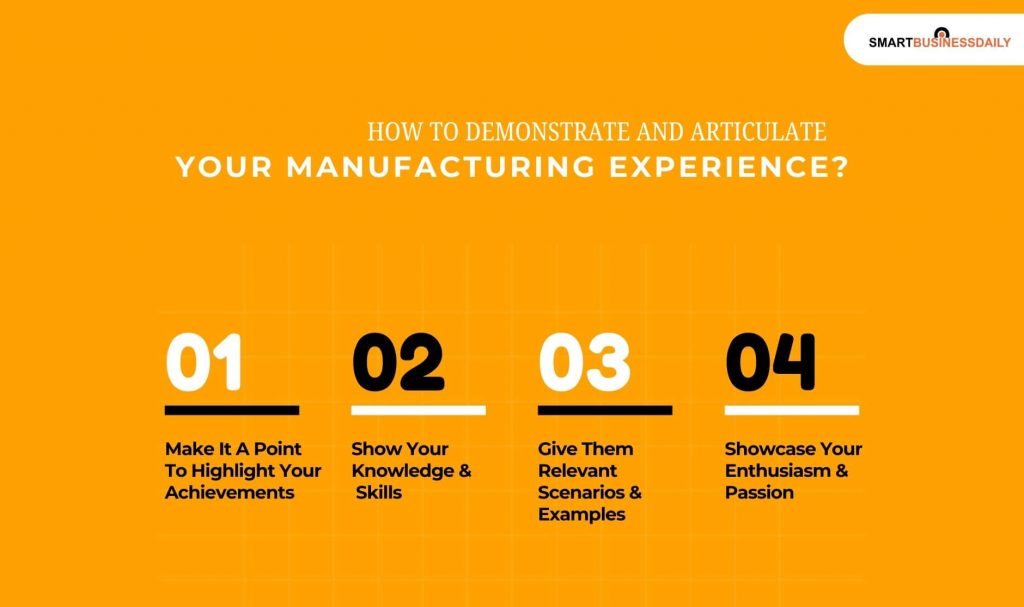
1. Make It A Point To Highlight Your Achievements
A great way to showcase your experience in Manufacturing Operations is by highlighting your achievements in previous or current roles.
Focus on measurable results—think numbers, percentages, or specific time frames—that demonstrate how you boosted productivity, cut costs, improved quality, or tackled challenges.
For instance, you might mention that you increased output by 15%, reduced waste by 10%, or set up a new quality control system that decreased defects by 20%.
Be clear and use strong action verbs like implemented, managed, coordinated, or optimized to convey your impact.
2. Show Your Knowledge And Skills
A great way to showcase your experience in Manufacturing Operations is by highlighting your skills and knowledge of:
- Key tools
- Techniques
- Standards
For instance, if you’re proficient in software like ERP, MRP, or CAD, definitely mention that.
You can also talk about your familiarity with methodologies such as Lean, Six Sigma, or Kaizen.
Don’t forget to include your understanding of industry regulations and best practices, like:
- ISO
- OSHA
- GMP
Just make sure to align your skills with what the job you’re applying for requires and expects!
3. Give Them Relevant Scenarios And Examples
You can showcase your manufacturing operations experience by sharing real-life examples of how you applied your skills and knowledge.
This approach can be particularly beneficial during interviews. It helps you highlight not just what you know, but also how you work and think.
A great way to structure your responses is by using the STAR method, which stands for
- Situation,
- Task,
- Action, and
- Result.
For instance, think of a time when you encountered a challenge in your manufacturing operations.
Describe the situation and the specific task or goal you needed to tackle. Then, explain the actions you took to address the challenge and, finally, share the results of your efforts.
This method makes your answers clear and impactful, showing potential employers your problem-solving abilities in action.
4. Showcase Your Enthusiasm and Passion
One effective way to showcase your experience in Manufacturing Operations is to highlight your passion for the field.
This can really set you apart from other candidates who may have similar qualifications.
You can express your enthusiasm by talking about your eagerness to learn new skills.
In fact, you can keep up with industry trends. In addition, you can get involved in professional networks or associations.
Additionally, you should also share your personal vision, goals, or values related to manufacturing operations.
In fact, when you share how they connect to the company’s mission or culture, it can make a strong impression.




Related Articles



Comments Are Closed For This Article