








Climate Regulations Are Forcing Farms To Rethink Diesel Use
23 March 2026
5 Mins Read
- What’s Driving The Change: Air Quality And Carbon Rules
- The DEF Era: Cleaner Exhaust, More Things That Can Stop Work
- Diesel Isn’t Disappearing, But It’s Getting Pickier
- What Farms Are Doing About It (Practical Moves)
- 1) Building A DEF And Maintenance Routine That Actually Works
- 2) Keeping Older Iron Longer Than Planned, And Planning The Replacement Carefully
- 3) Testing Alternatives Where They Fit (not everywhere)
- Plan For Compliance, But Farm For Reality
- How Geopolitics Affects Regulations And Prices?
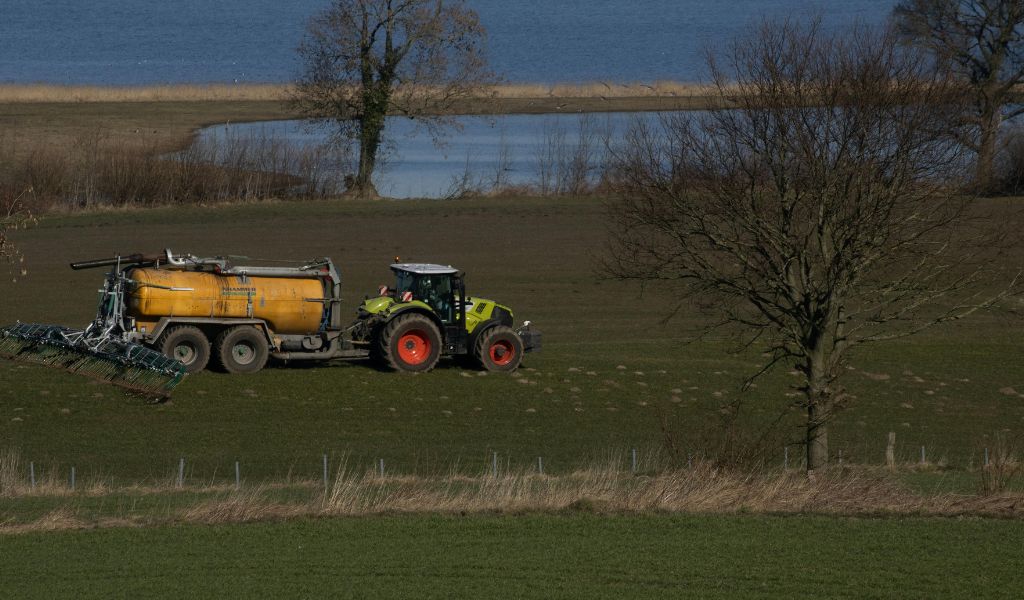
Diesel has been the workhorse fuel on farms for decades. It starts on cold mornings, it pulls hard, and it’s available almost everywhere.
But rules aimed at cutting air pollution and greenhouse gases are changing how diesel engines are built, sold, and used.
Thus, for many farmers, this isn’t a political talking point. It’s a day-to-day planning issue: What equipment will still make sense in five years?
How do you avoid downtime during harvest? And what happens if your tractor decides to “limp” because a sensor is upset?
Hence, let’s talk about what’s shifting and what practical options farms have right now.
Moreover, in this article, we will learn everything about DEF systems agriculture. We will also learn about its benefits and the challenges faced by the farmers.
What’s Driving The Change: Air Quality And Carbon Rules
Most diesel rules come from two directions:
- Local air-quality rules (smog, soot/PM, nitrogen oxides)
- Climate rules (carbon reporting, low-carbon fuel goals, state clean-truck plans)
Even if your farm isn’t directly regulated, you can still feel the impact through equipment pricing, engine design, and what dealers stock.
Hence, newer diesel engines are cleaner, but they rely on more components to remain compliant, such as exhaust aftertreatment systems and sensors.
That’s where some of the farm headaches start.
The DEF Era: Cleaner Exhaust, More Things That Can Stop Work
Many modern diesel engines use DEF (diesel exhaust fluid) as part of selective catalytic reduction (SCR). In plain terms, DEF helps the engine cut NOx emissions.
Thus, the trade-off is complexity. DEF systems can trigger warnings, power limits, or shutdown behavior if:
- DEF runs low
- A sensor fails
- The system thinks the fluid quality is wrong.
- There’s a fault in the aftertreatment system.m
On the road, a “derate” might be a major inconvenience. In the field, it can be a ruined afternoon or a ruined crop window.
Recently, the EPA signaled support for guidance that pushes manufacturers to reduce sudden, severe power loss associated with DEF problems, particularly to improve safety and productivity.
As a result, that doesn’t erase DEF systems, but it does point to a shift: regulators are hearing the complaints about abrupt limp modes.
Diesel Isn’t Disappearing, But It’s Getting Pickier
Farms aren’t going to flip a switch and ditch diesel next season. Hence, Diesel still wins in a few key places:
- High-load jobs (tillage, harvesting, heavy hauling)
- Remote work where charging isn’t realistic
- Equipment that runs long hours without breaks
But diesel is becoming less forgiving. There are more “rules inside the engine,” and the engine is watching itself all the time.
As a result, this means farms are rethinking how they buy and manage equipment.
You’ll see more farmers asking:
- “Can my local shop service this emissions system?”
- “How fast can I get sensors or DEF parts during busy season?”
- “Is there a backup plan if the engine derates?”
What Farms Are Doing About It (Practical Moves)
Here are a number of things that the farms often engage in to ensure proper execution of DEF systems agriculture.
1) Building A DEF And Maintenance Routine That Actually Works
A simple checklist beats a mid-harvest breakdown. Hence, farms are tightening up basics like:
- Moreover, keeping DEF clean and sealed (dirt and water cause problems)
- Additionally, storing DEF out of the heat and direct sun.
- Furthermore, tracking DEF use like you track fuel
- In addition, fixing small warnings early instead of clearing the code and hoping
It’s not exciting, but it saves real money.
2) Keeping Older Iron Longer Than Planned, And Planning The Replacement Carefully
Some farms are holding onto pre-DEF or early-DEF equipment longer because it’s familiar and easier to keep running.
On the other hand, other farmers are upgrading, but only after checking dealer support and parts availability.
A smart move is to ask the dealer blunt questions:
- Firstly, what’s the most common emissions-related repair on this model?
- Further, what’s the typical downtime if it happens?
- In addition, do you stock the parts locally?
3) Testing Alternatives Where They Fit (not everywhere)
A lot of “diesel replacement” talk ignores farm reality. Still, some options are starting to make sense in certain spots:
- Renewable diesel (HVO): Works like diesel in many engines and can cut lifecycle emissions depending on feedstock and supply chain. Availability varies by region.
- Biodiesel blends: Common in some areas, but cold-weather performance and OEM guidance matter.
- Electric utility vehicles and small loaders: Great for barns, feeding, and short runs, especially if you already have shop power.
- Hybrid or electric irrigation pumps (where practical): Site-specific, but worth a look if the power setup is close by.
The key is matching the tool to the job, not chasing a trend.
The Hidden Factor: Downtime Is The New “Fuel Cost”
Fuel price matters, sure. But in a tighter regulatory environment, reliability and service access matter just as much.
Hence, a clean diesel engine that sits waiting on a sensor is worse than an older machine that runs every day. That’s why many farms are putting more weight on:
- dealer service capacity
- diagnostic support
- parts stocking
- training for in-house techs
To minimize that risk, many farms rely on off-road diesel delivery services from trusted providers like Rhino Fuel.
As a result, it helps ensure tanks stay filled, DEF stays stocked, and operations keep moving without last-minute runs to the pump.
Plan For Compliance, But Farm For Reality
Climate and air-quality rules are pushing diesel engines to be cleaner and more controlled. That’s not likely to reverse. The best farm response isn’t panic or blind resistance; it’s planning.
Keep diesel where it makes sense, tighten up DEF habits, and test alternatives where they truly fit. Hence, most of all, buy equipment with support you can count on when the weather turns, and the clock is ticking.
How Geopolitics Affects Regulations And Prices?
While we consider environmental regulations, we often forget about the impact of geopolitical tensions and war on fuel prices.
For example, the current situation of war and tension has severely affected the fuel industry.
Moreover, no ship is able to pass through the Strait of Hormuz. Hence, this skyrockets the price of diesel in various parts of the world.
However, such situations are supposed to be temporary. Thus, the use of diesel via the EPF system can still be a viable option in the market.
Moreover, the geopolitical pressure from vigilant international communities often forces reluctant governments to introduce rules and regulations to improve environmental health.
Hence, various nations across the globe are applying new regulations. Hence, these regulations force the farmers to ensure more advanced technologies like DEF systems agriculture.
Read Also:




Related Articles



Comments Are Closed For This Article