








Top HVAC Issues Revealed – Don’t Ignore This!
7 Mins Read
Published on: 04 September 2024
Last Updated on: 10 March 2026
- Why Consider HVAC Issues?
- Common Challenges HVAC Systems Face:
- Unveiling The Number One Problem With HVAC Systems:
- Expert Insights On Common HVAC Failures:
- Airflow Problems:
- Component Failure:
- Thermostat Malfunctions:
- Preventative Measures To Mitigate HVAC Issues:
- 1. Scheduling Professional Inspections:
- 2. Filter Maintenance
- 3. Ensuring Proper Airflow:
- 4. Smart Thermostat Installation:
- 5. Ductwork Inspection:
- The Impact Of Neglect On HVAC Performance:
- 1. Clogged Air Filters:
- 2. Inefficient Cooling:
- 3. Drainage Issues:
- Importance Of Addressing The Top HVAC Issues:
- For Longevity And Efficiency:
Heating, Ventilation, and Air Conditioning (HVAC) systems are integral components of modern buildings. They provide essential climate control to maintain comfort and health standards.
However, these sophisticated systems are not without their challenges.
From residential homes to expansive commercial spaces, HVAC units are in high demand. Also, meeting those demands can often lead to many issues, ranging in complexity and severity.
Here are some of those many HVAC issues and ways to solve them:
Why Consider HVAC Issues?
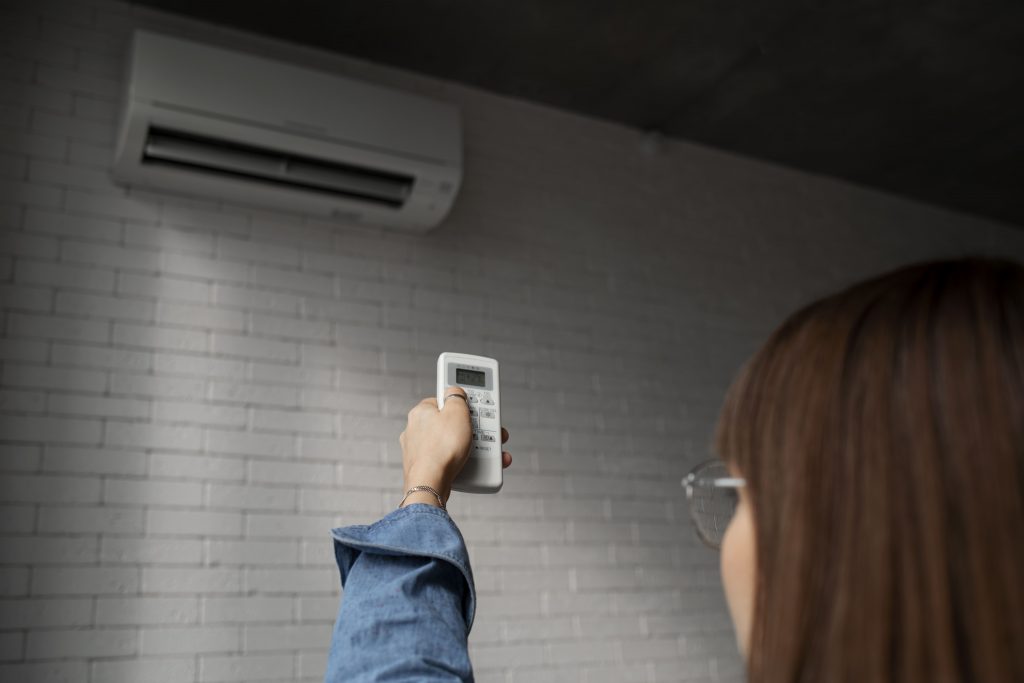
Despite the technological advancements in HVAC design and energy efficiency, these systems have their limits. Those limits or problems can compromise their effectiveness and longevity.
They are expected to operate for lengthy periods, often without appropriate breaks or maintenance.
So, longer operating hours take a toll on the systems.
Owners and operators may face many difficulties. Sometimes, the equipment malfunctions or has decreased efficiency.
Wear and tear in the systems start to accelerate, leading to a total system breakdown.
Common Challenges HVAC Systems Face:
The challenges presented by HVAC systems are not solely based on their mechanical function. They are also influenced by the environment in which they operate.
Different factors affect the system. Some external factors, such as extreme weather conditions and dust and debris accumulation, are common.
Even the layout and use of the building can impact system performance.
Moreover, the inherent complexity of these systems makes diagnosis important. Also, addressing HVAC-related problems is crucial.
It’s also clear that such work requires knowledgeable and skilled technicians.
But it’s difficult to find expert technicians available when you need them. Most importantly, their skills may often be limited.
Navigating the gauntlet of issues that can afflict HVAC units is critical to ensure a safe indoor environment.
As we delve deeper into the most prevalent HVAC concerns, we strive to understand and address them. Our only goal is to improve system resilience and efficiency.
Unveiling The Number One Problem With HVAC Systems:
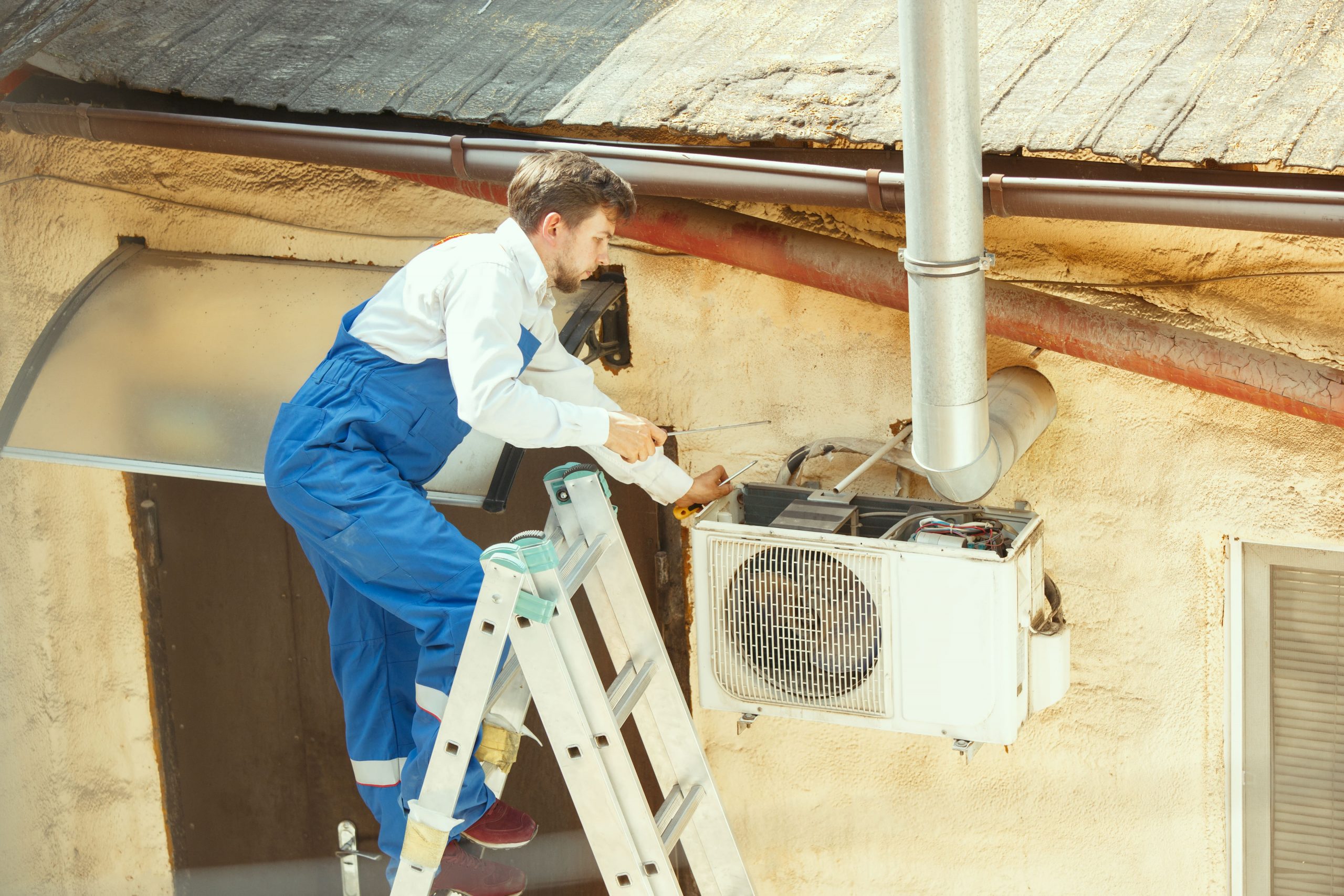
HVAC systems, essential for maintaining indoor comfort, are subject to a variety of issues. However, the number one problem plaguing these systems worldwide is inadequate maintenance.
Despite technological advancements and robust designs, HVAC equipment requires regular servicing to operate at peak efficiency.
Negligence in routine inspections and tune-ups leads to the accumulation of dirt and debris. It can cause a significant decline in system performance and energy efficiency.
This primary issue of neglecting maintenance is multifaceted. It can result in obstructed airflow, reduced heat-transfer efficiency, and eventual strain on system components.
Over time, this not only leads to discomfort for occupants but can also precipitate a complete system breakdown.
The hidden danger of poor maintenance is that it often goes unnoticed until it’s too late, making seemingly sudden failures both inconvenient and costly.
A well-maintained HVAC system operates more effectively, uses less energy, and has a longer lifespan, underscoring the importance of addressing this central problem.
Regular checks can identify potential issues before they become critical, maintaining the system’s health and ensuring consistent comfort.
Ultimately, proper care of HVAC systems is not only a matter of performance but also one of financial and environmental responsibility.
Homeowners and facility managers alike should recognize the significance of regular maintenance to circumvent the pitfalls associated with the most common and impactful problem facing HVAC systems today.
Expert Insights On Common HVAC Failures:
HVAC systems are complex assemblies that often encounter a spectrum of issues affecting their efficiency and longevity.
Experts in the field have identified a range of common failures that, if not addressed promptly, can lead to significant inconvenience and expense.
One pervasive issue is poor maintenance, which can degrade various components and ultimately culminate in system breakdowns.
Airflow Problems:
Airflow problems are frequently cited by HVAC professionals as a prevailing concern. Obstructed air filters, for example, impede air movement, forcing the system to work harder.
This way, it helps circulate air, leading to increased wear and tear on moving parts.
Additionally, ductwork issues such as leaks or blockages can significantly compromise system performance and indoor air quality.
Component Failure:
Component failure is another regular challenge, with capacitors and contactors often succumbing to electrical issues.
These components are vital for starting motors and regulating power, and their malfunction can render the system non-operational.
Thermostat malfunctions can also mislead the system, causing inappropriate heating or cooling cycles that not only cause discomfort but also increase energy consumption.
Thermostat Malfunctions:
Refrigerant leaks merit attention as well, as they are a primary cause of decreased cooling efficiency.
They not only impair the system’s ability to cool the space but also pose environmental concerns.
Compressors, being the heart of the cooling process, are prone to failure when operating under stress from low refrigerant levels, inadequate maintenance, or power irregularities.
Experts highlight that understanding these common failures is crucial for homeowners and facility managers to identify early warning signs and implement timely interventions to safeguard their HVAC investments.
Preventative Measures To Mitigate HVAC Issues:
To secure the longevity and efficiency of HVAC systems, proactive and preventative measures are essential.
Regular maintenance is the cornerstone of preventing the most common and significant HVAC issues.
1. Scheduling Professional Inspections:
This includes scheduling professional inspections at least once a year for a thorough examination of all system components, from the thermostat to the refrigerant levels.
These checks can uncover potential issues before they escalate, saving homeowners and property managers time, money, and discomfort.
2. Filter Maintenance
Filter maintenance is another key aspect. Filters should be replaced or cleaned regularly, according to the manufacturer’s recommendations, to ensure optimal airflow and air quality.
Blocked or dirty filters can strain the system, decreasing efficiency and increasing the likelihood of breakdowns.
3. Ensuring Proper Airflow:
Ensuring proper airflow extends to the system’s exterior elements as well. Outdoor units need clear space around them, free from debris and vegetation that might obstruct air intake or heat exchange.
This allows the HVAC system to operate effectively and reduces the risks of overheating or inefficiencies.
4. Smart Thermostat Installation:
Smart thermostat installation offers another layer of protection, providing precise control over the heating and cooling settings.
These devices can optimize system operation, prevent extreme temperature fluctuations, and even alert homeowners to unusual patterns that may indicate an emerging problem.
5. Ductwork Inspection:
Moreover, ductwork inspection is necessary to identify leaks or blockages, as compromised ducts can lead to significant energy losses and system strain.
Sealing leaks and ensuring insulation can dramatically improve the system’s performance.
Adopting a proactive stance on HVAC care doesn’t just prevent mechanical failures; it promotes energy conservation and contributes to a more sustainable living environment.
By implementing preventative measures, the number one problem with HVAC systems can be significantly reduced, if not eliminated altogether.
The Impact Of Neglect On HVAC Performance:
Neglect, often stemming from a lack of regular maintenance, stands as a pivotal factor that can severely impact HVAC performance.
When an HVAC system is not serviced regularly, several issues can accumulate, leading to inefficiency, higher energy costs, and potential system failure.
1. Clogged Air Filters:
Over time, air filters may become clogged with pollen, dust, and other airborne particles, reducing airflow and forcing the system to work harder.
This not only diminishes indoor air quality but also places undue stress on the system’s components, leading to premature wear and tear.
Similarly, condenser coils and evaporators can get coated with grime, significantly reducing heat transfer and system efficiency.
2. Inefficient Cooling:
Neglecting to check refrigerant levels is another common oversight that can lead to inefficient cooling and potential compressor damage.
Refrigerant leaks not only impair system operation but also pose environmental hazards.
3. Drainage Issues:
Drainage issues can also arise from neglect. When the condensate drain becomes clogged, it can cause water damage and raise indoor humidity, promoting mold growth.
Additionally, belts and motors within the HVAC unit can fail without proper inspection and maintenance, bringing the entire system to a halt.
Ultimately, the cumulative impact of neglecting an HVAC system is reflected in the unit’s operational costs.
Regular maintenance not only prevents these issues but also ensures optimal performance, leading to consistent comfort, improved air quality, and energy savings.
Investing in routine HVAC maintenance is a proactive step toward preserving the system’s longevity and efficiency and mitigating the costly consequences of neglect.
Importance Of Addressing The Top HVAC Issues:
The longevity and efficiency of HVAC systems are critical to maintaining a comfortable, healthy indoor climate while keeping energy consumption in check.
Through careful analysis and expert consultations, it has become apparent that the number one problem with HVAC systems is a lack of regular, preventative maintenance.
This negligence directly impacts the system’s performance, leading to a decline in efficiency and, over time, can cause significant wear and tear that results in premature failures and costly repairs.
Regular maintenance is akin to preventative health check-ups.
Just as doctors can identify and treat health issues before they become serious, HVAC specialists can pinpoint and rectify emergent problems in a system before they escalate into significant malfunctions.
Furthermore, well-maintained systems operate more efficiently, which translates into lower energy bills, a reduced carbon footprint, and less strain on the unit’s components, thereby extending its lifespan.
For Longevity And Efficiency:
Addressing this top problem requires a proactive approach. Homeowners and building managers should establish routine maintenance schedules with trusted professionals.
Performing semi-annual inspections, cleaning or replacing filters, checking refrigerant levels, and ensuring the system is properly calibrated can lead to dramatic improvements in performance and durability.
Ultimately, investment in regular maintenance is an investment in the system’s health, ensuring that it runs smoothly, efficiently, and reliably for years to come.
By embracing preventive measures, the lifespan and efficiency of HVAC systems can be significantly enhanced, fostering a more sustainable and cost-effective approach to indoor climate control.
Read More…
- How to Master Remote Working Technology
- How to Use Email API Integration in Your Operations?
- Trends in Managed IT Services that are Remodeling the Industry




Related Articles



Comments Are Closed For This Article