







10 Things To Consider Before Buying A CNC Machine:
10 Mins Read
Published on: 05 May 2025
Last Updated on: 17 August 2026
- 10 Things To Consider Before Buying A CNC Machine:
- 1. Determine What You Will Use The CNC Machine For:
- 2. Choose The Right Type Of CNC Machine:
- 3. Check The Machine's Size And Work Envelope:
- 4. Evaluate Build Quality And Machine Construction:
- 5. Check Power And Utility Requirements:
- 6. Make Sure The CNC Machine Works With Your Software:
- 7. Consider Operator Experience And Training:
- 8. Look At Maintenance, Parts, And Technical Support:
- 9. Calculate The Total Cost And Expected ROI:
- 10. Research The Manufacturer And CNC Dealer:
- Additional Features Worth Considering
- New Or Used CNC Machine: Which Should You Buy?
- Questions To Ask Before Buying A CNC Machine:
- Common Mistakes To Avoid When Buying A CNC Machine:
- Final Checklist Before Buying A CNC Machine
- Buy A CNC Machine Today!
Buying a CNC machine is a significant decision for any business, whether you’re in metalworking, woodworking, plastics, or prototyping. FYI, CNC stands for Computer Numerical Control.
These CNC machines offer precision, repeatability, and efficiency, but buying the right one requires careful thought.
Before making that purchase, it’s important to understand what will truly serve your needs both now and in the future. Here are ten critical things to consider before buying a CNC machine.
10 Things To Consider Before Buying A CNC Machine:
Buying a CNC machine is a major investment. Whether you run a manufacturing business, woodworking shop, fabrication company, or prototyping operation, the right machine can improve productivity and consistency for years.
The wrong machine can do the opposite.
A CNC machine that looks affordable on paper may require expensive tooling, specialized software, additional electrical work, or frequent maintenance. A machine that seems more advanced than you need can also leave you paying for features your business rarely uses.
That is why the best CNC machine is not necessarily the most powerful or expensive one. It is the machine that matches your materials, production requirements, available space, operators, budget, and plans for growth.
Before you buy, consider these 10 factors.
1. Determine What You Will Use The CNC Machine For:
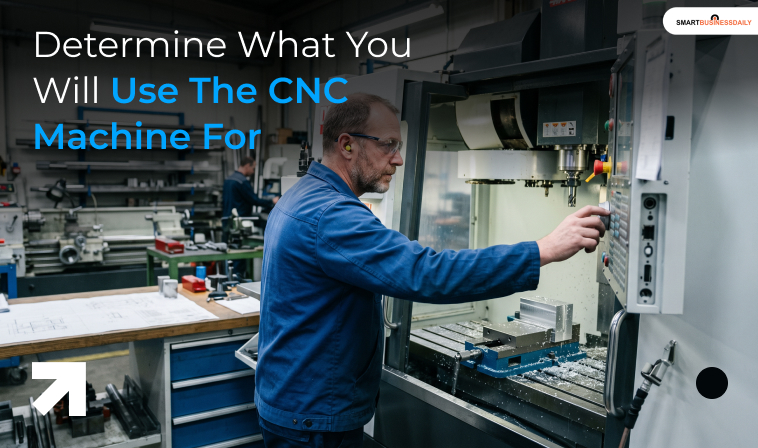
Start with the work you need the machine to perform.
Think about the materials you work with, the type of cuts or operations you need, the size of your parts, and how frequently you expect to run the machine.
For example, a woodworking business may need a CNC router to cut and carve wooden sheets, while a metalworking operation may need a CNC mill or lathe to machine metal components.
So, start by asking yourself:
- What materials will I machine?
- What parts will I produce?
- What are the largest and smallest workpieces?
- How precise do the finished parts need to be?
- What types of cuts or machining operations are required?
- How many parts do I expect to produce?
- Will my requirements change in the next few years?
Your answers will narrow down the type and specifications of machine you actually need. Also, you should consider the tooling required for your work.
For example, a detailed V-carving project may require a V-bit designed for that specific operation. Buying the machine without considering tooling can lead to unexpected costs later.
Moreover, the same applies to your design and manufacturing workflow. So, it’s best to ensure the CNC machine works with the CAD and CAM software you already use or plan to adopt.
2. Choose The Right Type Of CNC Machine:
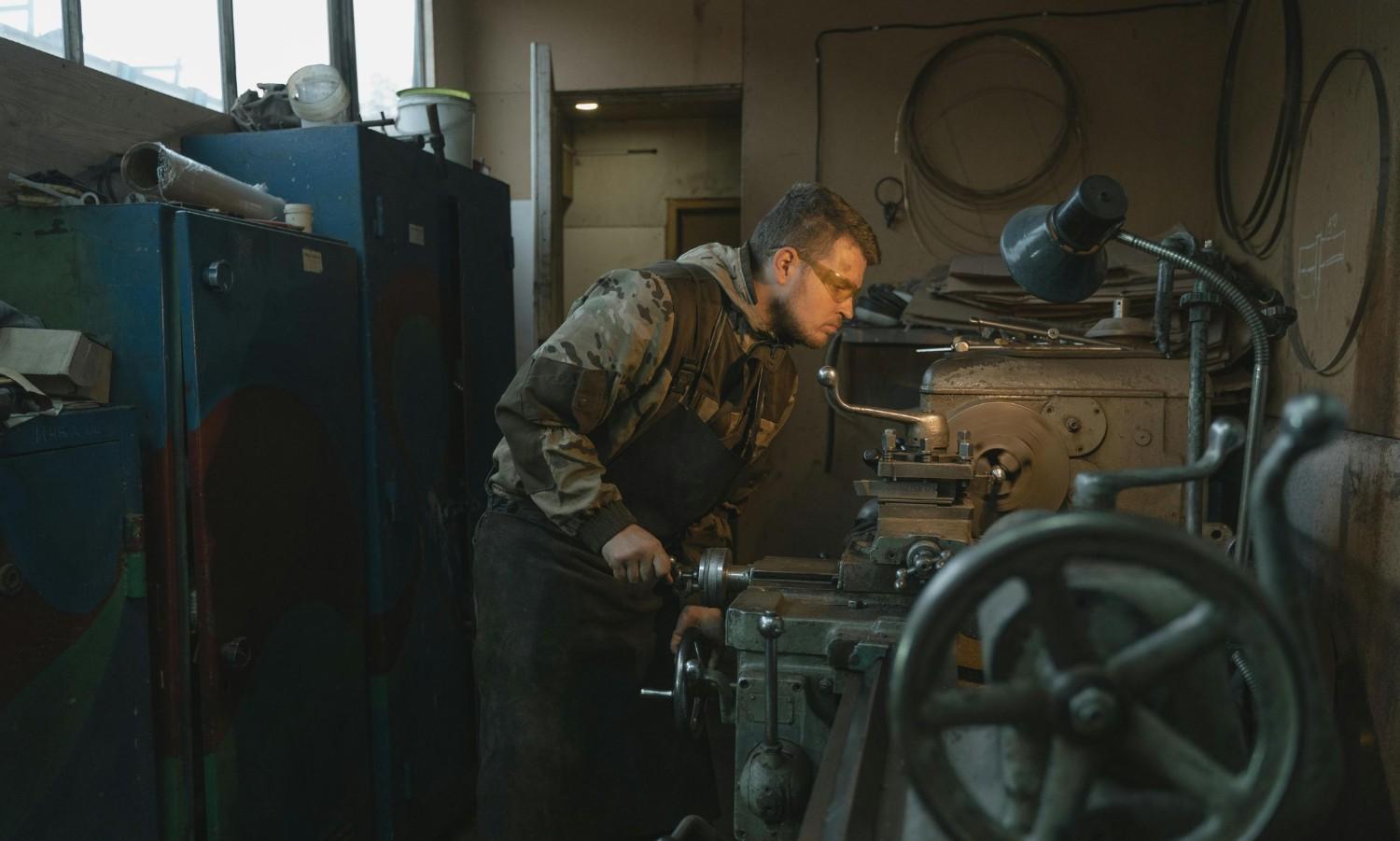
CNC machines are designed for different manufacturing tasks. As a result, choosing the wrong type can limit what you can produce, even if the machine itself is high quality.
Common CNC machine types include:
- Routers
- Mills
- Lathes
- Plasma cutters
- Laser cutters
- Grinders
- Machining centers
A CNC router, for example, is commonly used for materials such as wood, plastics, composites, and some softer metals, while a CNC lathe is designed primarily for turning operations, where the workpiece rotates while cutting tools remove material.
Moreover, a CNC mill is better suited to precision machining and can perform operations such as drilling, cutting, and milling.
Do not choose a machine based solely on its price or popularity. Start with the operations you need and work backward to the machine type.
3. Check The Machine’s Size And Work Envelope:
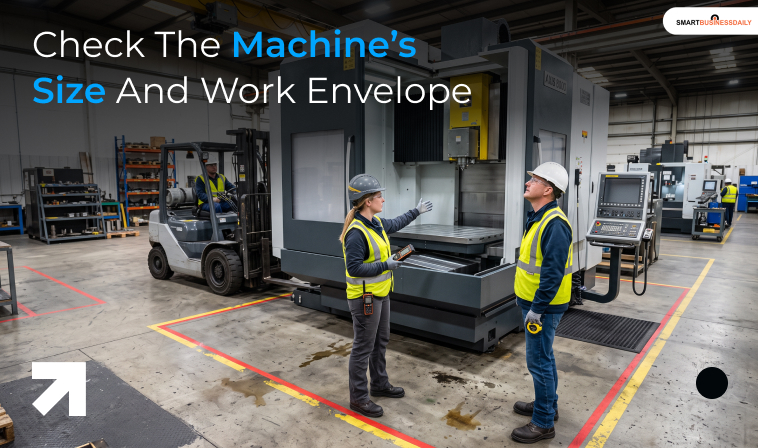
Machine size matters for two reasons: what you can manufacture and where you can install the machine. The work envelope refers to the usable area in which the machine can operate.
As a result, make sure it can accommodate your largest expected workpiece, with enough room for tooling and movement. Also consider your available floor space.
Before purchasing, measure:
- Available floor area
- Door and entryway dimensions
- Ceiling height
- Loading and unloading space
- Clearance around the machine
- Material storage space
- Space required for accessories and dust collection
A machine that technically fits inside your workshop may still be impractical if operators cannot safely access it.
Additionally, do not forget the weight of the machine either. Your workshop floor may need to support the machine and associated equipment.
4. Evaluate Build Quality And Machine Construction:
Two CNC machines can have similar specifications but perform very differently over time. Build quality affects rigidity, vibration, accuracy, repeatability, and durability.
Look closely at the machine’s construction and ask the manufacturer about:
- Frame construction
- Guideways
- Drive systems
- Spindle quality
- Bearings
- Motors
- Control system
- Workholding system
- Expected accuracy and repeatability
Rigidity is particularly important when machining harder materials or performing demanding cuts. A machine that vibrates excessively can affect surface finish, tool life, accuracy, and overall productivity.
This is why comparing machines based only on advertised specifications can be misleading. Look at the complete construction and consider how the machine will perform under your actual working conditions.
5. Check Power And Utility Requirements:
Before placing an order, find out exactly what the machine needs to operate. Some CNC machines can run on standard electrical supplies, while larger industrial equipment may require three-phase power.
Also, it is possible you might need:
- Compressed air
- Dust collection
- Coolant systems
- Ventilation
- Water cooling
- Dedicated electrical circuits
In addition, check the machine’s electrical requirements with your electrician or facility manager before purchasing.
The cost of preparing your workshop can be high. If the machine requires electrical upgrades or additional infrastructure, include those expenses in your total budget.
6. Make Sure The CNC Machine Works With Your Software:
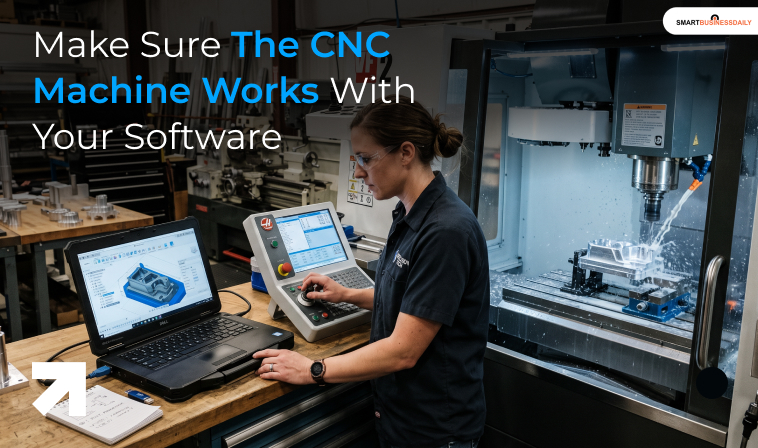
A CNC machine is only one part of the manufacturing workflow. You may use CAD software to design a part and CAM software to convert that design into toolpaths and machine instructions.
Before purchasing, confirm that your intended software can communicate properly with the machine’s controller.
Check:
- Supported file formats
- CAM compatibility
- Post-processors
- Controller compatibility
- Software licensing costs
- Updates and support
- Ease of programming
This becomes particularly important if you already have an established design and manufacturing workflow. Also, changing your software after buying the machine can create unnecessary training costs and disrupt production.
7. Consider Operator Experience And Training:
A CNC machine can have excellent specifications and still be a poor investment if your team cannot use it effectively. So, consider the experience of the people who will operate and program the machine.
If your team has limited CNC experience, look for:
- Straightforward controls
- Clear documentation
- Training from the manufacturer or dealer
- Tutorials and learning resources
- Responsive technical support
- Accessible programming tools
Ask the supplier what training is included with the purchase. Also find out whether training covers only basic operation or includes programming, maintenance, troubleshooting, and safety.
A machine that is easier for your team to learn can reduce downtime and help you start production sooner.
8. Look At Maintenance, Parts, And Technical Support:
Your relationship with the manufacturer or dealer does not end when the machine arrives. CNC machines require routine maintenance, and components eventually need to be replaced.
As a result, before buying, find out:
- How often routine maintenance is required
- Which components need regular servicing
- How easily replacement parts can be obtained
- How long parts typically take to arrive
- Whether technicians are available locally
- What technical support is included
- What the warranty covers
- What the warranty excludes
Ask specifically about service response times.
A machine that costs less but sits idle for weeks waiting for a replacement component may ultimately cost your business more than a better-supported machine.
This is one reason buying from a reputable CNC dealer can be valuable.
9. Calculate The Total Cost And Expected ROI:
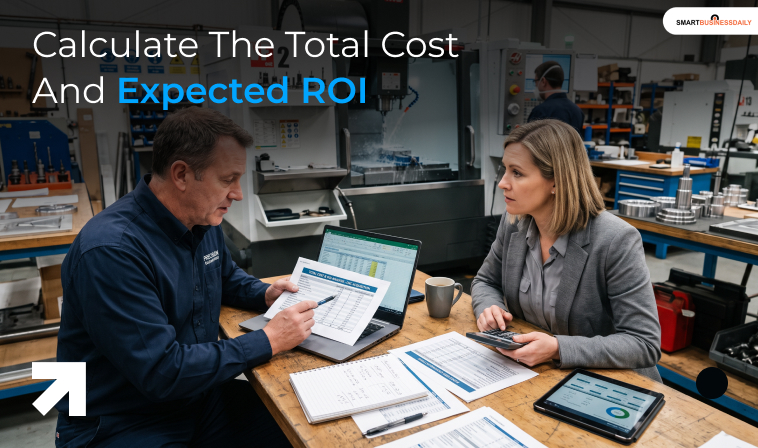
The purchase price is only part of the cost of owning a CNC machine. Instead, your actual investment may include:
- Machine price
- Shipping
- Installation
- Electrical work
- Tooling
- Workholding equipment
- Software
- Training
- Maintenance
- Coolant
- Dust collection
- Replacement parts
- Insurance
- Financing costs
As a result, it’s best to create a realistic estimate before comparing machines. Then consider what the machine is expected to produce.
For example, will it:
- Increase production capacity?
- Reduce manual labor?
- Improve consistency?
- Reduce material waste?
- Allow you to accept more orders?
- Replace outsourced machining?
- Reduce production time?
- Help you offer new products?
A more expensive machine can make sense if it significantly improves productivity. Also, a cheaper machine may be the better choice if its capabilities already meet your requirements.
Remember, you need to think in terms of total cost of ownership, not just the initial purchase price.
10. Research The Manufacturer And CNC Dealer:
The company selling the machine matters almost as much as the machine itself. So, it’s best to research the manufacturer and dealer before making a commitment.
Look for:
- Customer reviews
- Warranty terms
- Service reputation
- Availability of spare parts
- Technical support
- Training options
- Installation services
- Customer references
- Length of time in business
Also, if possible, speak with businesses that already use the machine you are considering – ask them about their experience after the purchase, not just their first impressions.
Questions worth asking include:
- How reliable has the machine been?
- How quickly does the dealer respond to problems?
- Are replacement parts easy to obtain?
- How long did installation take?
- Was the training useful?
- Have maintenance costs been reasonable?
- Would you buy the same machine again?
These answers can reveal problems that a product brochure will never mention.
Additional Features Worth Considering
Once you have narrowed down the machines that meet your basic requirements, consider optional features that could improve your workflow.
As a result, depending on your operation, these may include:
1. Automatic Tool Changers: An automatic tool changer can reduce manual tool changes and improve productivity, particularly when a job requires multiple tools.
2. Probing Systems: Probes can help with workpiece measurement, tool setting, and setup accuracy.
3. Automatic Material Handling: Material feeders and loading systems can be useful for businesses running high production volumes.
4. Dust Collection: For woodworking and other applications that generate significant airborne particles, an appropriate dust collection system can improve cleanliness and workplace safety.
5. Remote Monitoring: Some modern CNC systems offer monitoring capabilities that allow operators or managers to track machine activity and production remotely.
Pro Tip: Do not pay extra for every available feature. Instead, just pick the automation features that solve a real problem in your workflow.
New Or Used CNC Machine: Which Should You Buy?
Another important decision is whether to purchase a new or used CNC machine. So, to be fair, a used machine can cost considerably less than a new one, but the lower purchase price comes with additional risks.
And that is why, while evaluating a used CNC machine, check:
- Machine age
- Operating hours
- Maintenance records
- Repair history
- Previous applications
- Spindle condition
- Accuracy and repeatability
- Controller condition
- Availability of replacement parts
- Software compatibility
- Electrical condition
Also, ask to see documentation such as the original invoice, manuals, maintenance records, and repair history.
If you do not have the expertise to evaluate the machine yourself, consider hiring an independent CNC technician or inspector before purchasing.
The inspection cost may be small compared with the cost of discovering a major problem after the purchase.
Questions To Ask Before Buying A CNC Machine:
Before signing a purchase agreement, ask the manufacturer or dealer:
- What materials is this machine designed to handle?
- What is the machine’s actual working area?
- How quickly can replacement parts be supplied?
- What accuracy and repeatability can I expect?
- What electrical and utility requirements does it have?
- Which software and file formats does it support?
- What tooling is included?
- What training is included?
- Who provides technical support?
- What does the warranty cover?
- What routine maintenance does the machine require?
- Can I speak with existing customers?
- What are the installation requirements?
- Are there additional costs after purchase?
- What happens if the machine needs major repairs?
Getting these answers in writing can help prevent misunderstandings later.
Common Mistakes To Avoid When Buying A CNC Machine:
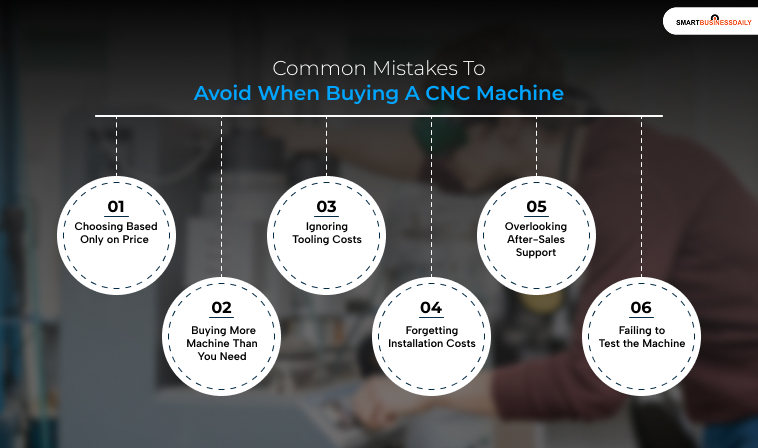
Buying a CNC machine is easier when you know what not to do.
1. Choosing Based Only on Price: The cheapest machine may not have the capacity, accuracy, support, or durability your business needs.
2. Buying More Machine Than You Need: The opposite problem is just as common. You may end up paying for advanced capabilities that your business rarely uses.
3. Ignoring Tooling Costs: A machine without the appropriate tooling cannot deliver the results you expect.
4. Forgetting Installation Costs: Electrical work, transportation, installation, and setup can add significantly to the initial investment.
5. Overlooking After-Sales Support: A reliable service network can be more valuable than a small discount at the time of purchase.
6. Failing to Test the Machine: If possible, ask the manufacturer or dealer to demonstrate the machine using a material and application similar to your own. A demonstration can help you evaluate cutting quality, speed, noise, finish, and ease of operation.
Final Checklist Before Buying A CNC Machine
Before you make your final decision, confirm that:
- The machine is suitable for your materials.
- It can perform the operations you need.
- The work envelope is large enough.
- Your facility can accommodate the machine.
- Your electrical supply meets its requirements.
- Required tooling is available.
- Your software is compatible.
- Your operators can be trained to use it.
- Spare parts are accessible.
- Technical support is reliable.
- Warranty terms are clear.
- Maintenance requirements are manageable.
- The total cost fits your budget.
- Automation features are actually useful to your workflow.
- The expected productivity justifies the investment.
- The manufacturer and dealer have a strong reputation.
- You have reviewed the machine’s documentation.
- You have tested the machine or reviewed a relevant demonstration.
Buy A CNC Machine Today!
Buying a CNC machine is not simply a matter of comparing prices and specifications.
The right machine needs to fit the work you actually do.
Start with your materials, production requirements, part sizes, accuracy requirements, and expected workload. Then consider the machine’s construction, software, power requirements, tooling, maintenance, training, and support.
Most importantly, calculate the complete cost of ownership before making a decision.
So, if you are considering a used CNC machine, inspect its condition carefully and request its documentation and maintenance history. An independent inspection can also help identify expensive problems before you commit to the purchase.
Finally, choose your dealer carefully. A trustworthy CNC dealer should be willing to explain the machine’s capabilities, limitations, installation requirements, warranty, training, and ongoing support.
The goal is not to buy the biggest or most advanced CNC machine available.
It is to buy the machine that can reliably do the work your business needs today while giving you enough flexibility to grow tomorrow.




Related Articles



Comments Are Closed For This Article