








What Is The Real Meaning Of Falotani? Does It Really Have One, Or Its Just Another Internet Jargon?
17 February 2026
8 Mins Read

- What Does Falotani Mean?
- 1. Culinary Definition
- 2. Philosophical Or Mindset Definition
- 3. Digital And Branding Definition
- What Is The Culinary Side Of Falotani?
- What Are The Ingredients And Flavor Profile Of Falotani-The Dish?
- How To Prepare And Serve This Dish?
- What Are The Regional Variations Of Falotani?
- What Is The Detailed Description Of Falotani As A Philosophical Mindset?
- What Are The Core Principles Of This Philosophy?
- What Are Some Practical Examples?
- Why Does The Term Falotani Work In Digital Marketing?
- How Can You Use Falotani In The Digital World?
- How Is Falotani Contributing To Community Building?
- What Are The Cultural And Symbolic Meanings Associated With Falotani?
- Why Have Multiple Meanings Of Falotani Emerged?
- The Whole Mystery Behind Falotani Explained
Okay, so I recently came across a certain word, and it confused me so much!
You must be thinking why am I exaggerating, right? But I really am not.
The word I am referring to here is Falotani. It is a word that has recently gained attention across several online platforms.
It appears in articles that describe it as a traditional communal dish. Additionally, other sources frame it as a mindset or strategic philosophy.
In fact, a few even treat it as a modern digital concept. Seems confusing enough?
This mix of meanings makes Falotani interesting. It sits at the crossroads of food, culture, personal growth, and online branding.
Exploring Falotani takes readers through more than one world. It moves from kitchens and shared platters to mindset strategies and digital identity. That layered identity is what makes the term compelling.
What Does Falotani Mean?
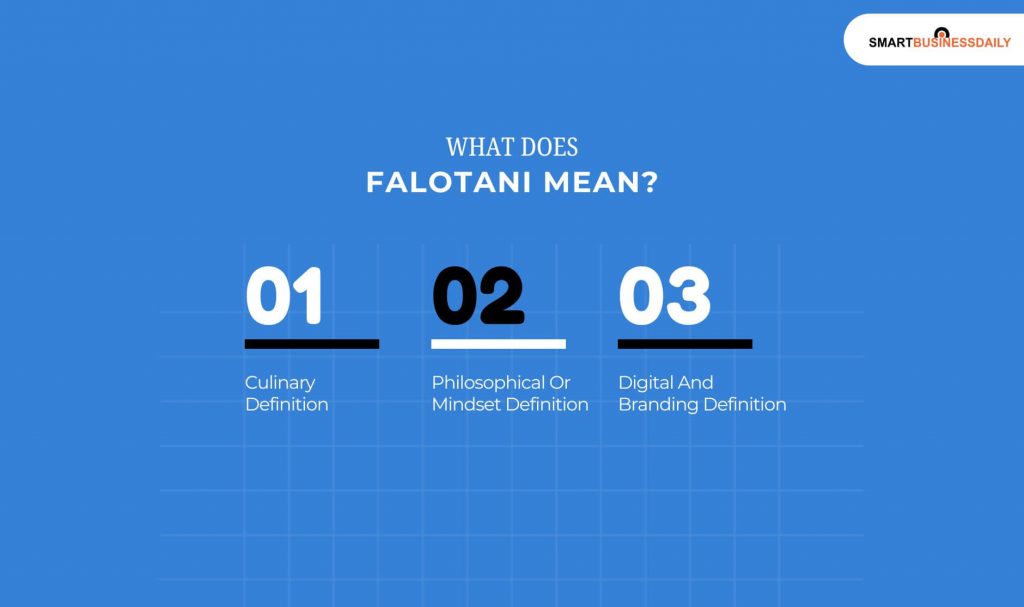
Falotani does not have one universally verified definition. No confirmed academic or historical record traces it to a specific ancient civilization or documented culinary archive.
Instead, the term appears across modern online articles with varied interpretations.
Based on the three provided sources, Falotani can be grouped into three broad meanings.
1. Culinary Definition
One interpretation presents Falotani as a traditional communal dish. Active Property Care describes it as a flavorful preparation built around grains such as rice, combined with proteins and aromatic spices. The dish is portrayed as something shared during gatherings and festive occasions.
This version emphasizes togetherness, warmth, and rich flavor.
2. Philosophical Or Mindset Definition
Another interpretation frames Falotani as a method of intentional living. Alianza Oriental presents it as a flexible and adaptive approach that blends observation with thoughtful action.
In this sense, Falotani is less about food and more about mindset. It suggests awareness before action. It promotes purpose over impulse.
3. Digital And Branding Definition
Bioshare presents Falotani within a digital context. It refers to it as an emerging concept connected to productivity, community building, and online engagement.
Here, Falotani functions as a unique keyword. It is distinctive. Also, it is searchable.
Additionally, a striking factor about it is that it carries low competition potential in search engine spaces.
The result is a term that moves fluidly between culture, philosophy, and digital identity.
What Is The Culinary Side Of Falotani?
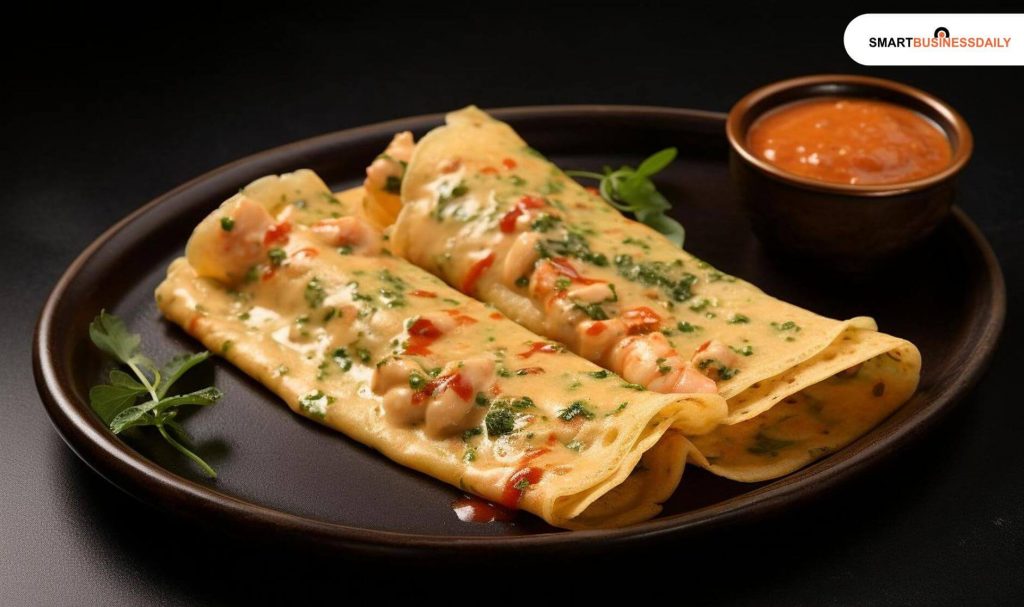
According to Active Property Care, Falotani is described as a communal dish believed to have emerged from shared cooking traditions.
The article emphasizes its role in gatherings and festive events.
However, it is important to clarify that no verified culinary archives or documented historical cookbooks currently confirm Falotani as a recorded traditional recipe.
The origins mentioned online are descriptive rather than academically sourced.
What stands out is the emphasis on community. The dish is portrayed as something prepared in larger portions. It is meant to be shared. It represents unity and collective experience.
What Are The Ingredients And Flavor Profile Of Falotani-The Dish?
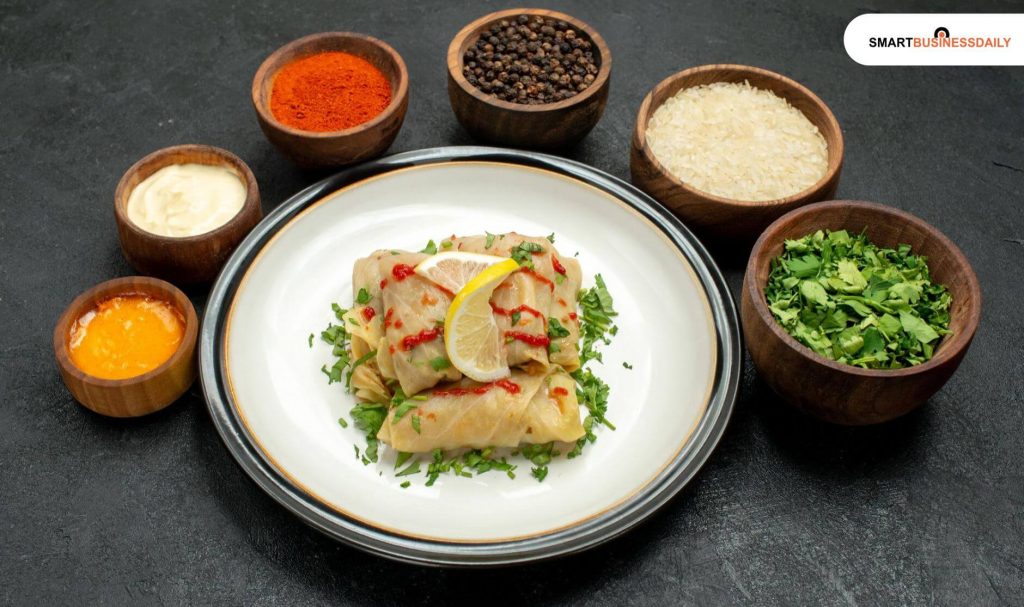
The description from Active Property Care outlines several core components.
- Firstly, it includes grains such as rice. It forms the base.
- Secondly, it has protein. You may use either chicken or fish.
- Thirdly, you have to add some aromatic elements. These mainly include garlic and ginger.
- Additionally, the role of spices is undeniable. It often includes cumin and chili.
- Also, you may use some fresh herbs such as cilantro. It really adds brightness.
- Finally, lime is used to enhance acidity and balance.
You can already guess the flavor profile, right? I am sure. It is described as layered and aromatic.
So, in this dish, all the warm spices form the backbone. In addition, all the fresh herbs add lift. And finally, the citrus provides contrast.
This combination reflects common characteristics seen in many communal rice-based dishes across various cultures. The balance of grain, protein, spice, and herb creates a satisfying shared meal.
How To Prepare And Serve This Dish?
Traditional preparation, as described in the source, involves slow cooking methods.
The ingredients are layered carefully. Spices are toasted to release aroma. Proteins are simmered with grains, so flavors blend fully.
Serving style is communal. The dish is presented on a large platter. People gather around it. They share from the same serving base.
That shared format reinforces its symbolic meaning. Food becomes more than sustenance. It becomes a connection.
What Are The Regional Variations Of Falotani?
Active Property Care also notes that Falotani has evolved. Different areas may adjust spice intensity. Protein choices may change. Herb combinations can vary.
These variations reflect adaptability. They also mirror how many traditional dishes change as they move between regions.
Still, I would like to very much state it very clearly. There is no independent historical documentation confirming these variations outside the online descriptions currently available.
What Is The Detailed Description Of Falotani As A Philosophical Mindset?

Alianza Oriental presents Falotani not as food, but as a guiding concept. It describes it as a way to navigate uncertainty with awareness and adaptability.
This framing positions Falotani as flexible. And guess what I like the most about it? The fact that it is not rigid.
It encourages observation before making a decision. Additionally, it values thoughtful engagement over reaction.
The emphasis is on conscious movement through complex situations.
What Are The Core Principles Of This Philosophy?
Based on the interpretation provided online, three principles stand out.
- Intentionality. Actions should be purposeful. Decisions should be deliberate.
- Thoughtful application. Knowledge should be applied with awareness of consequences.
- Contextual awareness. Environment matters. Circumstances shape outcomes. Understanding context reduces error.
These principles align with broader frameworks found in mindfulness literature and strategic thinking models. However, there is no academic philosophy formally titled Falotani in recognized scholarly databases.
What Are Some Practical Examples?
- In personal growth, Falotani could mean pausing before reacting. It could involve setting clear goals before acting.
- In creativity, it may mean observing trends before launching an idea.
- In problem-solving, it may encourage gathering information before making decisions.
These applications reflect adaptable thinking. They emphasize clarity and intention.
Why Does The Term Falotani Work In Digital Marketing?

In the digital space, uniqueness matters. Search engines prioritize relevance and clarity. A rare keyword often faces less competition.
Falotani is not a saturated term. It is not widely documented in academic databases. It is not attached to a dominant global brand. That gives it space.
According to Bioshare, Falotani is positioned as an emerging concept linked with productivity and digital networking. Because the term is distinctive, it offers strong branding potential.
From an SEO perspective, low competition keywords can help new websites rank faster. When a word has a limited established authority, early content creators can shape its narrative.
Falotani fits that model. It has three of the most underrated features that make it a unique keyword. It is:
- Searchable
- Memorable
- Flexible In Meaning
How Can You Use Falotani In The Digital World?

Okay, this genuinely has blown my mind! Across the referenced websites, Falotani appears in multiple digital contexts.
- Firstly, it is used as a thematic concept in long-form blog posts.
- Secondly, it is framed as a cultural discussion topic.
- Thirdly, it is positioned as a mindset philosophy.
- Finally, it is described as a communal dish.
This layered use allows content creators to build clusters around the same keyword. One article may focus on food. Another may explore philosophy. A third may discuss branding.
That versatility increases engagement potential.
How Is Falotani Contributing To Community Building?
Unique words often build niche communities. When a term is unfamiliar, readers become curious. Then, what do they do? They:
- Search
- Ask Questions
- Share Interpretations
Falotani benefits from this effect. Because it does not have one fixed definition, audiences contribute meaning.
In digital culture, shared interpretation can strengthen engagement. A flexible concept invites participation.
However, it is important to remain transparent. Current references to Falotani appear primarily in online blog content. There is no established academic body or cultural institution formally defining it.
What Are The Cultural And Symbolic Meanings Associated With Falotani?
Falotani, as described in the culinary context, symbolizes togetherness. A communal dish represents shared identity. Eating from one platter signals trust and belonging.
Many cultures use food as a bridge between individuals. Shared meals reduce distance. They create conversation.
In the philosophical framing presented by Alianza Oriental, Falotani symbolizes awareness and adaptability. It reflects careful action rather than impulsive behavior.
In the digital context described by Bioshare, Falotani becomes a symbol of innovation and identity. It represents the ability to define something new.
Across these interpretations, one theme remains consistent. Falotani connects people.
Whether through food, mindset, or online engagement, the term centers on collective experience.
Still, I wanted to state it clearly. So, I have drawn these symbolic interpretations from online discussions.
There is no verified anthropological record confirming Falotani as a documented cultural ritual or ancient symbol.
It is necessary to address the central question.
Why Have Multiple Meanings Of Falotani Emerged?
There are several possible reasons.
- Firstly, there is a creative interpretation. Writers may explore the term symbolically.
- Then, we have a digital experiment. Unique words attract search interest.
- Additionally, there is a good reason for cross-contextual storytelling. Food, philosophy, and branding can intersect in modern content strategies.
- Also, this reminds us that the online culture evolves rapidly. New terms can gain attention without deep historical roots. Falotani appears to be one such case.
- Transparency strengthens credibility. Readers should understand that Falotani, as currently presented online, is a modern conceptual blend rather than a documented ancient tradition.
The Whole Mystery Behind Falotani Explained
Falotani is not a single fixed idea.
As I have mentioned in the very beginning, some sources describe Falotani as a communal dish built around:
- Grains
- Spices
- Shared Gatherings
Additionally, there are some other sources as well that frame this as a mindset rooted in intentionality and awareness.
Also, I have seen many articles using this as a distinctive keyword in digital branding and content strategy.
So, I can assure you that there is no confirmed historical archive validating it as an ancient tradition.
Yet the term continues to circulate across modern blogs and platforms.
So, what is my suggestion to all the readers out there? I genuinely think what the readers should take away is clarity.
Falotani represents layered meaning. It reflects how language evolves in digital spaces.
Additionally, it shows how food, philosophy, and branding can merge into one narrative.
So, I suggest that you don’t view Falotani as a rigid concept. Rather, it may be more accurate to see it as a flexible symbol shaped by online interpretation. That fluid identity is what makes it interesting.




Related Articles



Comments Are Closed For This Article