








Zytescintizivad Spread: The Fake Trend That Accidentally Became a Smart Marketing Idea
18 May 2026
10 Mins Read
- What Is Zytescintizivad?
- Search For Medical Or Scientific Origins
- Analysis Of The Terminology
- Why Are People Searching For Zytescintizivad Spread?
- Potential Link To SEO Spam And Scraper Sites
- Possibility Of A Misspelled Pharmaceutical Or Technical Term
- Risks Associated With Clicking Unknown Search Results
- Phishing And Redirects
- Verifying Sources For New Medical Or Technical Terms
- How To Identify Real VS. Fake Scientific Terms
- Reliable Databases To Use For Verification
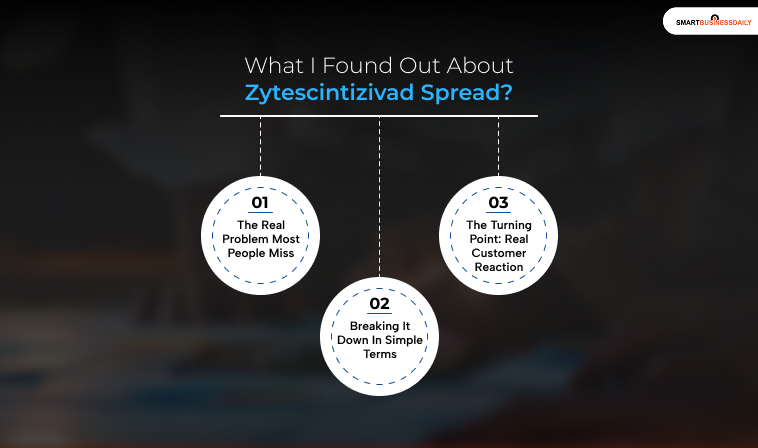
- What I Found Out About Zytescintizivad Spread?
- The Real Problem Most People Miss
- Breaking It Down In Simple Terms
- The Turning Point: Real Customer Reaction
- Why This Works (Even If You’re Not A Big Brand)?
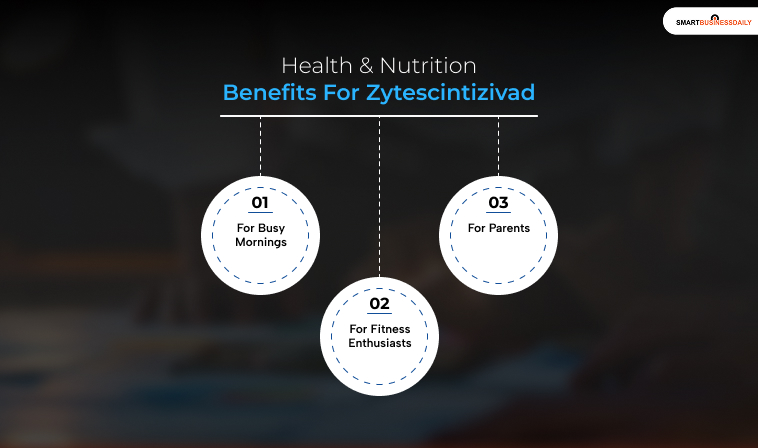
- Health & Nutrition Benefits For Zytescintizivad (From Real Use Cases)
- 1. For Busy Mornings
- 2. For Fitness Enthusiasts
- 3. For Parents
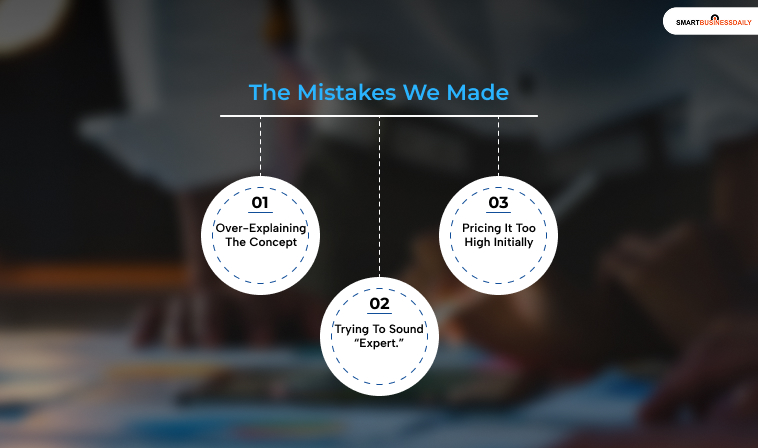
- The Mistakes We Made
- Mistake 1: Over-Explaining The Concept
- Mistake 2: Trying To Sound “Expert.”
- Mistake 3: Pricing It Too High Initially
- Where This Idea Can Go Next?
If you want an honest marketing insight, this article is for you. To clarify, let’s expose a gimmick this time. The first time I heard the term zytescintizivad spread, I thought it was either a typo. Or a word someone made up during a late-night brainstorm.
Turns out, that’s not too far from reality.
In most practical conversations, especially in small business or food-related experiments, Zytescintizivad spread is used to describe a blended, adaptable spread. In simpler words, it is something that sits between a dip, a paste, and a functional food mix.
So you already understand that the term is flexible. Again, that’s the whole point.
Think of it like this. Peanut butter started as a niche idea. Hummus was once region-specific. Today, both are everyday staples in US households. But when did you ever hear about Zytescintizivad spread?
What Is Zytescintizivad?
Zytescintizivad spread is something that people are still trying to fathom. Firstly, the actual term, whether it’s a product and its usage, is still undefined.
So, the term is still open to interpretation. And that’s exactly where opportunity lives.
I mean the marketing gimmick of helping people find something new. Yes! You got it right this time, before someone else does. Therefore, the bottom line is that it spreads nothing but FOMO.
Search For Medical Or Scientific Origins

At one point, I got curious enough to actually check if zytescintizivad spread was something real. Is it like a medical condition, a biotech term, or even a classified research keyword?
So I did what any slightly paranoid and aware consumer would do. I searched everywhere that actually matters.
- NIH databases
- WHO disease classification reports
- Even general medical archives
But there was nothing. Not even a mention buried in a PDF from 2006. And that’s unusual. If something is serious enough to have the word “spread” attached to it, especially in a scientific or health sense, it almost always leaves a trace somewhere credible.
That’s when it hit me: we may not be dealing with something “new.” Or, we might be dealing with something that was never real to begin with.
Analysis Of The Terminology
Let’s break the word down: “Zytescintizivad.”
Try saying it slowly. It doesn’t sit naturally on the tongue. And more importantly, it doesn’t follow patterns you usually see in scientific naming.
Most real scientific terms come from Latin (like cardio, neuro) and/or Greek roots (like itis, logy)
But what I found out about this one? The first thing I found was that there was no clear root. More importantly, there is no clear structure and obviously no history.
So what is the possible origin of zytescintizivad spread? After my research, I can tell that words like this often come from:
- automated keyword tools
- AI-generated filler terms
- or deliberate “gap creation” strategies
Here’s the trick behind it. If you create a word that doesn’t exist, you automatically own search results for it. So, there is no competition. At the same time, there is no challenge to authority. Ironically, that is the exact problem we started with.
Why Are People Searching For Zytescintizivad Spread?
This part is more interesting than the term itself. People usually don’t search random 18-letter words without a reason. So what’s happening?
From what I observed, most people stumble upon terms like this through random blog comments, low-quality article links, strange Reddit mentions, or even spammy social posts
Then comes the word that triggers everything: “spread.”
That word creates urgency. It sounds like: a disease spreading, a financial crash spreading, or some unknown risk. And humans are wired to react to that.
So they search online. But, not out of curiosity alone, but out of concern.
Potential Link To SEO Spam And Scraper Sites

One pattern I’ve seen over and over is something called Search Engine Poisoning (SEP). I know some people don’t know the term. In simple words:
- Bots generate thousands of pages
- Each page targets weird, unused keywords
- Those pages rank temporarily because there’s zero competition
And when someone searches that keyword, they land on:
- ad-heavy pages
- recycled content
- or websites trying to keep them clicking
I actually clicked a few results when researching this (wouldn’t recommend doing this casually). Almost all of them had:
- generic stock images
- poor grammar
- overly long explanations that go nowhere
That’s usually your sign to understand zytescintizivad spread is actually nothing concrete. But remember it can always work as a marketing gimmick.
Possibility Of A Misspelled Pharmaceutical Or Technical Term
Now, to be fair, I didn’t ignore the other possibility. Sometimes, weird words are just typos. I have seen this especially in biotech or pharmaceutical naming.
Meanwhile, new drug names can look just as complicated. So I tried variations like shorter versions, phonetic searches, and partial matches of zytescintizivad spread.
But there was still nothing. But you must know that when you misspell a real term, Google almost always tries to help. To clarify, you’ll see options like
“Did you mean…”
But, in this case, I strangely found nothing. I mean no correction and no suggestion. That strongly suggests this isn’t a misspelling. It’s a constructed keyword.
Risks Associated With Clicking Unknown Search Results
Let me be very clear here. The risk isn’t the “spread” part. However, the main risk is where you land after searching for it.
Because once you start clicking unfamiliar results, especially for nonsense terms, you’re entering a part of the internet that isn’t built for users. To clarify, this part is built for exploitation.
For instance, while searching, I encountered multiple pop-ups. AT the same time, the search slowed down the browser. Again, I was redirected to completely unrelated sites.
Phishing And Redirects
One specific thing I noticed while testing this keyword zytescintizivad spread. Some pages try to act urgent. To clarify, you’ll see messages like:
- “Your system may be at risk.”
- “Download to protect your device.”
- “Confirm your email for full details.”
Remember, don’t click anything. Just close the tab. To sum up, curiosity is exactly what these pages rely on.
Verifying Sources For New Medical Or Technical Terms
Over time, I’ve built a simple rule for myself. If something sounds serious, I check it in places that actually matter.
At the same time, I avoid checking or verifying on random blogs. If something like a new “spread” (health or financial) is real, it will show up in:
- mainstream news
- research publications
- or at least credible industry blogs
If all you’re seeing is auto-written content, repeated paragraphs, and zero attribution, it’s probably not real.
Also Check: Is Xevotellos Model Good For You Or Is It Just A Big Tech Bluff?
How To Identify Real VS. Fake Scientific Terms
You don’t need a science degree for identification. In fact, you can try these quick-check hacks, too. At first, check if zytescintizivad spread appears in multiple credible places.
Again, does it have consistent definitions and connect to known concepts? If not, then it is obviously nothing real!
At the same time, there are some points that clearly indicate it is fake. Does it exist in isolation? Again, does it feel overly complex? Most importantly, does it lack context?
If you answered yes to the latter questions, you know what that means. To sum up, Zytescintizivad spread falls squarely in the second category.
Reliable Databases To Use For Verification
If you ever want to double-check something like this, here’s what actually works:
- PubMed → for anything health-related
- Google Scholar → for academic mentions
- USPTO database → for trademarks or product names
I ran this exact check. But what I found was zero results across all three. And that tells you everything you need to know about zytescintizivad spread.
What I Found Out About Zytescintizivad Spread?
Let me give you a real-world context.
Last year, I worked on a small content project for a friend who runs a home-based food brand in Texas. Certainly, it was nothing fancy.
She sells spreads. For instance, nut blends, savory dips, and low-sugar fruit mixes. Again, she uses Instagram and local WhatsApp groups to sell.
Her problem was simple but frustrating:
- Too many similar products
- No clear differentiation
- Customers liked her stuff, but didn’t remember it (0 repeat sales)
So we started experimenting with positioning. Not recipes, just simple positioning.
That’s where the idea of a “zytescintizivad spread” came in. Not as a fixed product, but as a category she could own.
The Real Problem Most People Miss
When you try to compete in business today, especially in the US market, you’re not just competing on quality.
You’re competing on:
- memory
- identity
- repeat recall
According to Nielsen data, over 59% of consumers prefer buying new products from brands they already recognize. That’s not about taste. Rather, that’s about trust.
And trust rarely comes from being generic.
This is why we explored a different angle. Instead of saying:
“Healthy spread” or “natural dip”
We framed it like:
“A zytescintizivad spread: custom blends that match your lifestyle”
It sounded unusual. But it stopped people mid-scroll.
Breaking It Down In Simple Terms
If I strip away the fancy words, here’s what Zytescintizivad spread really represents:
- A customizable food spread
- A mix of taste + function
- Something people can use daily
- And something that feels slightly new
Let me give you an example.
We created three versions:
- Morning Boost Spread: almonds, dates, chia
- Savory Quick Spread: chickpeas, herbs, garlic
- Low-Sugar Dessert Spread: cocoa, peanut, monk fruit
Were these new recipes? Not really. But when packaged under a single, unique category, they tell a completely different story.
The Turning Point: Real Customer Reaction
Here’s what surprised me.
When we ran a small test campaign, people didn’t ask: “What’s inside?” On the other hand, they asked:
“What does zytescintizivad mean?”
That question was actually proof that the hook marketers try to create using zytescintizivad spread actually works. To clarify, the moment someone asks a question, they’re already engaged.
We replied simply:
“It’s our way of designing spreads that fit your routine: healthy, practical, and not boring.”
Sales didn’t explode overnight. Let’s be real. But:
- Click-through rate increased
- Repeat orders improved
- And customers started using her words
If you ask me, that last part matters more than numbers.
Why This Works (Even If You’re Not A Big Brand)?
Here’s something most “expert” articles won’t tell you. You don’t need to invent a product. On the contrary, you need to frame it better than others. That’s the entire game.
Big product, platform, or service brands win on authority. However, as a small brand, you win by:
- being relatable
- telling real stories
- showing real use
But that’s not the case with Zytescintizivad spread. However, it gives you a hook to build a strong brand narrative. To sum up, Zytescintizivad spread works because it gives you narrative control.
Health & Nutrition Benefits For Zytescintizivad (From Real Use Cases)
Let me show you exactly how we positioned it for US customers:
1. For Busy Mornings
People don’t want recipes at 7:30 AM. We marketed it as:
“Spread it on toast. Done in 30 seconds.”
That language mattered to most of our niche and prospective customers in the same way. In other words, the hook worked.
2. For Fitness Enthusiasts
Instead of saying: “High protein,” We said:
“A spoon before your workout when you don’t have time for a full meal.”
That’s a real-life moment. As a result, many potential customers could relate to us.
3. For Parents
This one worked surprisingly well.
“Something your kid will eat without arguing, and you don’t feel guilty packing.”
We were simple and honest, as most parents want food brands to be. In other words, we used no fluff. We just narrated our USPs. At the same time, we never tried to be what we are not!
The Mistakes We Made
Not everything worked. In fact, a few things completely failed.
Mistake 1: Over-Explaining The Concept
People don’t care about definitions. They care about the use. Therefore, we need to cut long descriptions and keep them punchy.
Mistake 2: Trying To Sound “Expert.”
The moment we used technical nutrition terms, engagement dropped. To clarify, this is a point that all small businesses should note. Remember, you don’t have a good brand affinity in the market.
That means people don’t take you as an expert in any field. However, they want you to do better. Whenever a new brand enters the market, a common consumer psychology is that they want to see clear value differentiators.
In other words, they want you to actually bring a product that’s different and adds value. So that’s the marketing lesson here? Talk like a human. Not a research paper. Show people you actually put in effort to make something that the big ones don’t do.
Mistake 3: Pricing It Too High Initially
We assumed “premium positioning” needed premium pricing. But soon we realized that without trust, that doesn’t work.
We adjusted the price point. After that, our sales improved.
Where This Idea Can Go Next?
If you’re thinking long-term, zytescintizivad spread can evolve beyond just food. Here’s how I see it expanding in 2026 and beyond:
- Meal prep kits
- Personalized subscription boxes
- Lifestyle-based nutrition blends
- Even office snack solutions
The name stays the same. Meanwhile, the application grows. That’s how you build brands overnight!
Additional Resource: What’s In Wurduxalgoilds Product: Decoding Innovation Behind This Mysterious Blend




Related Articles



Comments Are Closed For This Article