








Inground Swim Spa: Benefits, Costs, And How to Choose The Right One
6 Mins Read
Published on: 25 January 2025
Last Updated on: 07 July 2026

- Why Inground Swim Spas Are Ideal For Commercial Use?
- When A Traditional Pool May Be the Better Choice:
- Who Should Consider An Inground Swim Spa?
- Discovering The Right Features For Commercial Applications:
- Employing Practical Installation Methods For Reduced Expenses:
- 1. Evaluating The Site:
- 2. Streamlining Utilities:
- 3. Selecting Experienced Contractors:
- 4. Exploring Financing Possibilities:
- Optimizing Return On Investment With Strategic Management
- Swim Spa Vs. Pools Key Differences:
- Key Highlights:
- Frequently Asked Questions:
- 1. Is an in-ground swim spa cheaper than a traditional swimming pool?
- 2. How long does an inground swim spa last?
- 3. Can multiple people use an inground swim spa at the same time?
- 4. Does an in-ground swim spa increase property value?
Sipping a daiquiri at poolside during the summer. Does that not sound cool? To us, it surely does. However, getting a pool is not the easiest feat. It takes time, money, and space. Therefore, you can go for the next best thing, an inground swim spa.
So what is an inground swim spa? A swim spa is usually a pool of water that uses heated jets and filters to simulate the effects of a spa. Think of these as a bigger version of a hot tub. In a swim spa, you can swim, unlike a hot tub. Therefore, it is favorable to choose between a swimming pool and a hot tub.
So, let’s look at the other features of a swim spa in order to understand its viability.
Why Inground Swim Spas Are Ideal For Commercial Use?
Commercial spaces often need water features that appeal to a wide range of customers, fit within existing building layouts, and align with budgetary constraints.
Inground swim spas can address these needs by offering a smaller footprint and lower overall costs than installing full-sized swimming pools.
For example, businesses exploring swim spa installation in Toronto have found that compact designs reduce excavation and utility costs while offering customers a premium wellness experience.
This combination of affordability and versatility has made swim spas increasingly popular among fitness studios and boutique hotels in urban areas like Toronto, where space is often limited.
Ultimately, managers can better control and optimize the costs associated with operation by tailoring the size and features of the swim spa to specific business goals, such as physical therapy, recreational swimming, or hydro-fitness classes.
When A Traditional Pool May Be the Better Choice:
An inground swim spa isn’t the best option for every property.
As a result, if your goal is to accommodate multiple swimmers simultaneously, host large gatherings, or create a resort-style swimming experience, a traditional pool may still be the better long-term investment despite the higher cost.
Who Should Consider An Inground Swim Spa?
An inground swim spa works particularly well for:
- Boutique hotels
- Wellness centers
- Physiotherapy clinics
- Luxury vacation rentals
- Fitness studios
- Residential homeowners with limited yard space
Discovering The Right Features For Commercial Applications:
Finding a swim spa that aligns with commercial needs involves balancing utility, aesthetics, and long-term durability.
Don’t let the initial price be the sole determining factor in your decision. Instead, businesses should weigh both immediate and future requirements:
- Size and Capacity: Determine how many people the spa should accommodate. While a larger spa accommodates more users, it also demands more energy to heat and more water to fill.
- Construction Materials: Opt for high-quality shells made from fiberglass, acrylic, or other durable materials. While these may cost more initially, they often last longer and incur fewer repair expenses.
- Current and Jet Configurations: Swim spas often feature adjustable currents for different exercise levels. Some even include specialized jets for hydrotherapy. Consider the activities the spa will facilitate to choose the right configuration.
- Filtration and Heating Systems: Efficient filtration systems reduce chemical usage and simplify maintenance. Likewise, energy-efficient heaters can minimize utility costs over time, which is crucial for commercial operators trying to maintain profitability.
- Brand Reputation and Warranty: Reputable manufacturers usually offer more extensive warranties. A strong warranty can save businesses from unexpected repair costs, making the overall investment more predictable.
Employing Practical Installation Methods For Reduced Expenses:
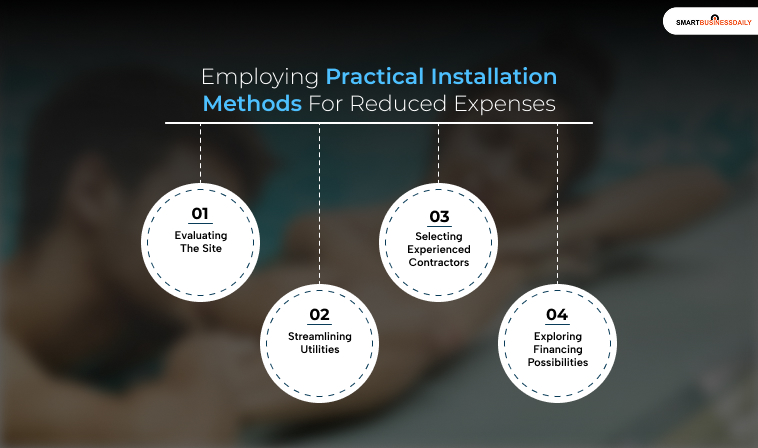
Proper planning and execution are essential to maintaining cost efficiency throughout installation.
While inground swim spa construction can involve excavation and structural reinforcement, the scope is typically smaller than that of a full-size pool.
Here are practical considerations to keep expenses manageable:
1. Evaluating The Site:
Conduct soil testing and site inspections before excavation. It helps detect problems such as poor drainage or instability early on. Addressing these concerns early can prevent cost overruns during construction.
2. Streamlining Utilities:
Positioning the swim spa near existing water, electrical, or gas lines can reduce the length of pipelines and wiring, lowering labor and material expenses. Additionally, ensure that your contractor knows local code requirements to avoid costly retrofits later.
3. Selecting Experienced Contractors:
Work with professionals with a track record of commercial swim spa projects. Their familiarity with technical requirements and potential challenges can save time and money.
4. Exploring Financing Possibilities:
Some suppliers or financial institutions offer flexible payment plans for commercial installations—research tax incentives or rebates, especially when installing energy-efficient models.
Optimizing Return On Investment With Strategic Management
Once the swim spa is installed, a well-planned usage strategy can help commercial enterprises see solid returns.
Strategic marketing, creative programming, and continuous customer engagement can all maximize the value of the installation:
- Offering Specialized Programs: Introduce swim classes, hydrotherapy sessions, or aquatic fitness programs led by certified instructors. These can draw new clientele and create a distinct revenue stream.
- Bundling Services: If the business is part of a hotel, spa, or gym, consider offering membership or loyalty packages that include swim spa access. This approach can encourage recurring visits and build customer loyalty.
- Tracking Usage and Feedback: Use membership data, guest surveys, or digital reservation systems to measure how clients interact with the swim spa. These insights can guide operational hours, maintenance schedules, or program offerings adjustments.
Swim Spa Vs. Pools Key Differences:
Swim spas have grown in popularity in recent years.
This is primarily because they offer something unique that swimming pools do not. As a result, swimming spas are often considered the better alternative to swimming pools.
However, we will not base our conversation on rumors. We want to take a step back and analyze the topic objectively to understand what is what.
- Space: A traditional in-ground pool is around 10 x 20 feet, while in-ground swim spas are 7 x 15 feet. This makes swim spas restrictive in terms of size.
- Installation Cost: The overall cost of installing a swim spa is around 10,000 USD to 30,000 USD. Meanwhile, an inground pool could cost around 35,000 USD to 70,000 USD.
- Permits: Before installation, verify local zoning regulations, building permits, drainage requirements, and electrical codes. Addressing these early helps avoid delays and unexpected costs during construction.
- Running Cost: Due to the smaller size and coverable features, the running cost of a swim spa is considerably lower than a pool. A pool also requires a separate pump, which uses heavy units of electricity.
- Design: A proper swimming pool is not modular. This is because of the way pools are made. Meanwhile, in-ground swim spas come with a lot of flexibility and modularity. Therefore, you can customize it to your wishes.
- Maintenance: A swimming pool must have a separate filtration system to keep the water microbe-free and clean. Meanwhile, swim spas have a specialized filtration system, making them easier to maintain and clean.
Therefore, an inground swim spa is likely a more cost-effective and conscious investment than a full-fledged swimming pool.
Key Highlights:
Inground swim spas are a cost-effective solution for commercial spaces. This is primarily because swim spas offer the best of all worlds. This makes these swim spas unique and truly amazing.
You can enjoy the features of a hot tub and a swimming pool simultaneously for a cost-effective option. As a result, this is a great solution for people who want to stay within budget but also go a little extravagant with their taste.
For businesses and homeowners looking to balance functionality, wellness, and long-term operating costs, an in-ground swim spa offers an attractive alternative to a traditional swimming pool.
Frequently Asked Questions:
Check out the frequently asked questions related to an in-ground swim spa mentioned below in detail.
1. Is an in-ground swim spa cheaper than a traditional swimming pool?
Yes. In most cases, an inground swim spa costs less to install and operate than a full-sized swimming pool because it requires less excavation, holds less water, and typically uses less energy for heating and maintenance.
2. How long does an inground swim spa last?
A high-quality inground swim spa can last between 15 and 25 years when properly installed and maintained. Regular cleaning, timely servicing, and proper water care help extend its lifespan.
3. Can multiple people use an inground swim spa at the same time?
Yes. Most swim spas are designed to accommodate several users simultaneously. The exact capacity depends on the model and size, making them suitable for family use, hydrotherapy sessions, or small group workouts.
4. Does an in-ground swim spa increase property value?
An inground swim spa can enhance a property’s appeal, particularly for buyers looking for luxury wellness features or low-maintenance alternatives to traditional pools. While the impact on resale value varies by market, it can make a property more attractive to potential buyers.
Read Also:




Related Articles


Comments Are Closed For This Article