








Avoiding The Recall Spiral: Why Smarter Equipment Design Is Essential
24 February 2026
5 Mins Read
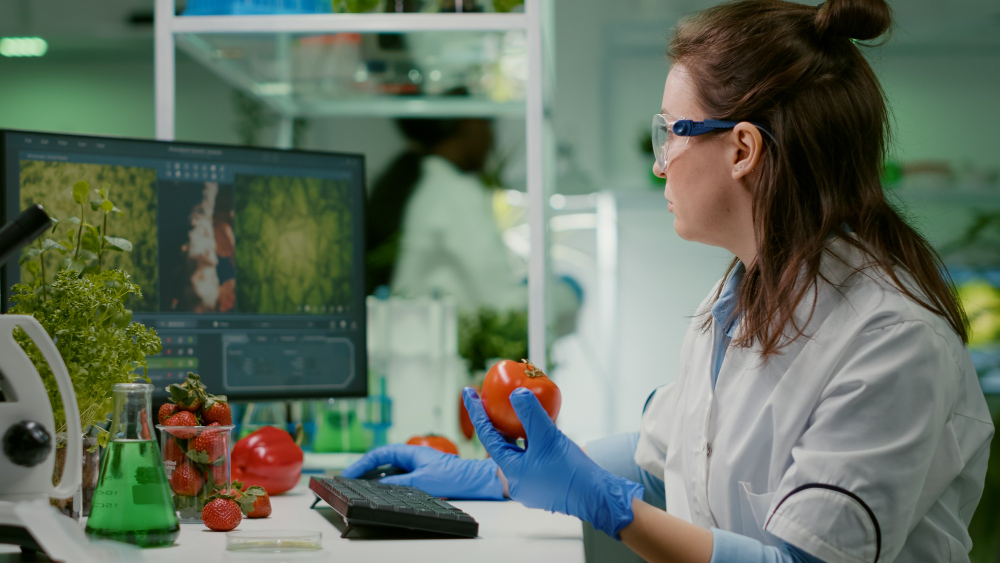
- Understanding Food Safety System Design
- 1. Foundational Design Principles
- Hygienic Facility Layout:
- Internal Structures:
- Sanitary Equipment Design:
- Utilities Control:
- 2. The Core Framework (HACCP)
- 3. Integrated Management Elements
- Prerequisite Programs (PRPs):
- Traceability And Recall:
- Food Safety Culture:
- Global Standards:
- Need For Food Safety System Design: Where Design Gaps Create Risk
- How Does Food Safety System Design Help Prevent Recall?
- Operational Support Completes The Picture
- Designing For Prevention, Not Reaction
Let’s talk about the need for food safety system design and how it prevents the recall of products!
A product recall is a very serious matter in the consumer food manufacturing industry. And that’s primarily because it can potentially cause loss of consumer confidence, halt factory operations, and even cripple one financially.
Most of the time, one might see false recall as the result of sudden contamination. However, in reality, they are the result of poor facility maintenance or a gradual development of issues within the plant.
Sometimes, behind the scenes, the real culprit is not a single error but the way the makers originally designed the equipment.
So, in order to understand how food safety system design can help prevent recalls and save your business, keep reading!
Understanding Food Safety System Design
Food safety system design is a well-planned and risk-based methodology for locating, eliminating, and controlling harmful agents in the food supply chain at every stage.
A properly built system, usually called a Food Safety Management System (FSMS), coordinates the integration of facility design, equipment engineering, and operational protocols such as HACCP to provide safe and healthy food for consumers.
1. Foundational Design Principles
Initially, before introducing any specific hazard controls, the physical environment must be arranged in such a way that it is less prone to risks. Here’s something that yuneed to know about the functional food safety system design:
Hygienic Facility Layout:
One should keep the production sites at a distance from contaminated areas. Moreover, they should be arranged in such a way that there is a logical, one-directional flow of both material and people to avoid the mixing of raw and processed areas.
Internal Structures:
All surfaces of a building (walls, floors, ceilings) ought to be very sturdy, non-absorbent, and not practically difficult to clean.
For example, floors should be sloped to aid water drainage and constructed from impermeable materials such as epoxy or similar.
Sanitary Equipment Design:
Machines that are part of the food industry must:
- Support hygiene.
- Be easy to disinfect.
Additionally, they should also prevent bacterial growth by avoiding such areas as “dead legs” and other crevices.
The European Hygienic Engineering & Design Group (EHEDG) is one of the organizations that sets standards in this field.
Utilities Control:
Finally, one should give air and water the same level of attention as the ingredients. Drinking water should comply with the requirements of BIS (for example, IS 10500), whereas air conditioning should ensure the removal of dust and oil through filtration.
2. The Core Framework (HACCP)
According to the Food and Drug Administration, the Hazard Analysis and Critical Control Point (HACCP) system is the worldwide benchmark that establishes how to identify and manage biological, chemical, and physical dangers.
Here are the core functions of food safety system design that you should know about:
- Conduct a Hazard Analysis: At this stage, analyze the process thoroughly and pinpoint all its possible hazards.
- Determine Critical Control Points (CCPs): Identify steps where you can prevent or reduce a hazard or contamination.
- Establish Critical Limits: For each CCP, set specific measurable values, for instance minimum internal temperature of a product in cooking.
- Monitoring Procedures: Explain the methods that you will use to ascertain compliance with critical limits and the frequency of the checks.
- Corrective Actions: Consider the options available to you when you exceed the set limits.
- Verification: An audit or tests can be the ways to verify that the system is running successfully.
- Record-keeping: You must document all monitoring and actions that you have taken.
3. Integrated Management Elements
The strong system does not only covers the factory floor but also extends into management and culture, at large. Here are some of them:
Prerequisite Programs (PRPs):
PRPs are those fundamental activities that must be done daily so that the HACCP plan will be able to work properly. Examples include pest control, personal hygiene, and supplier verification.
Traceability And Recall:
To facilitate rapid recalls of products in case of safety issues, basic systems should operate in such a way that a product can be traced back from the consumer to the raw material and vice versa.
Food Safety Culture:
Employee involvement and shared values are the two most important factors for the success of this case.
It is the leaders who must, through the provision of training and resources, make it clear that safety is the first concern rather than speed.
Global Standards:
A number of corporates opt to fit their designs alongside such global structures as ISO 22000 or the BRC Global Standard in order to make trade easier and more efficient at the international level.
Need For Food Safety System Design: Where Design Gaps Create Risk
Experts plan food processing operations according to extremely rigorous quality and safety standards.
However, even highly skilled teams can find it very difficult when the machinery is not made with sanitation in mind.
For instance, there might be the following things that make cleaning less effective:
- Horizontal surfaces where residue deposition is frequent.
- Exposed joints where the product gets trapped.
- Difficult-to-reach parts.
Over time, these spots can become secret bacterial reservoirs and sources of cross-contamination. This issue also compounds the problem of aging equipment.
Machines that have been modified over and over or that have been adapted for a different production line may not even meet today’s standards for hygiene.
Without characteristics like quick disassembly or built-in cleaning systems, the sanitation staff has to depend on manual workarounds. These shortcomings raise the risk of neglected spots and cleaning results that vary.
How Does Food Safety System Design Help Prevent Recall?
Leading-edge manufacturers are focusing on hygienic engineering as their first line of defense against contamination.
Machines with smooth curves, tightly sealed welds, and slanting surfaces that help water runoff are features that can resist microbial build-ups.
Not only do these design features meet the regulatory requirements, but they also directly lessen the contamination risk.
Additionally, automation can be a contributor to enhanced food safety. Automated systems can help reduce contamination risk by limiting manual handling and direct product contact.
When equipment facilitates efficient workflows and reduces the need for human intervention, it leads to an uplift in both productivity and safety.
Operational Support Completes The Picture
Even the best-designed machines need well-operating support. Eliminating recalls relies on the following things:
- Systematically carrying out maintenance.
- Having spare parts readily available.
- Getting technical help quickly.
Early detection of abnormalities through monitoring devices allows the plant to take corrective actions in time to avoid large-scale breakdowns.
On the same line, staff should be trained periodically. A well-trained employee who knows the importance of sanitation and is equipped with the right tools to make cleaning accessible and straightforward can effortlessly attain high standards of hygiene.
Designing For Prevention, Not Reaction
Preventing recalls is not just about swiftly dealing with issues when they pop up. Rather, it’s about establishing systems that inherently lower the risks.
Every part of the operation is a winner when experts design machines with an emphasis on:
- Hygiene.
- Easy maintenance.
- Thorough process control.
Food producers who choose to go down this route and adopt hygienic designs along with the support systems improve product quality. Additionally, they also save their brand reputation and create a safer and more dependable manufacturing environment.
Get to understand how purposeful equipment design and forward-thinking process planning can together play a part in risk reduction by looking at the visual recall lifecycle from Food Equipment, a manufacturer of sausage processing equipment.





Related Articles


Comments Are Closed For This Article