








Interactive Gaming Walls: An Alternative To Traditional Games In Indoor Parks
30 March 2026
5 Mins Read
- What Are Interactive Wall Projector Games?
- What Are Different Gaming Models NeoXperiences Offer?
- 1. Neo-Move:
- 2. Neo-Fast:
- 3. Neo-Board:
- 4. Neo-Dance:
- How Can You Choose The Best Interactive Wall Projector Games In 2026?
- 1. Define Your Goals And Measure Success
- 2. Hardware Choices: Projectors, Sensors, And Mounting
- 3. Software Choices: Content Variety, Flexibility, And Updates
- 4. Content Quality And Gameplay
- 5. Space, Safety, And Accessibility
- 6. Maintenance, Uptime, And Warranties
- 7. Integration And Monetization Options
- What Are The Various Types Of Interactive Wall Projection Games?
- 1. Reactive Wall And Touchless Games
- 2. Sports Simulators And Skill Challenges
- 3. Educational And STEAM Experiences
- 4. Immersive Story-Driven And Narrative Games
- 5. Art Installations And Branded Activations
- How Much Do Interactive Wall Projector Games Cost?
So recently, I had to plan a family picnic indoors due to some issues with the venue.
I am not complaining, but the kids would have, if I had not used this one amazing idea!
I am sure you would have guessed it by now. Yes, I am talking about incorporating a bunch of interactive wall projector games.
This ensured that the kids were having fun even indoors.
I really didn’t have to do much, even for research purposes. A friend of mine recommended NeoXperiences for interactive wall games.
Trust me, it’s a really cool website!
The only problem I faced was choosing from the wide variety of games here.
When I was planning the whole thing, I realised not many people were aware of these games.
Therefore, I decided I had to write a whole blog about it. Here it is1 Let us look deeper into it.
What Are Interactive Wall Projector Games?
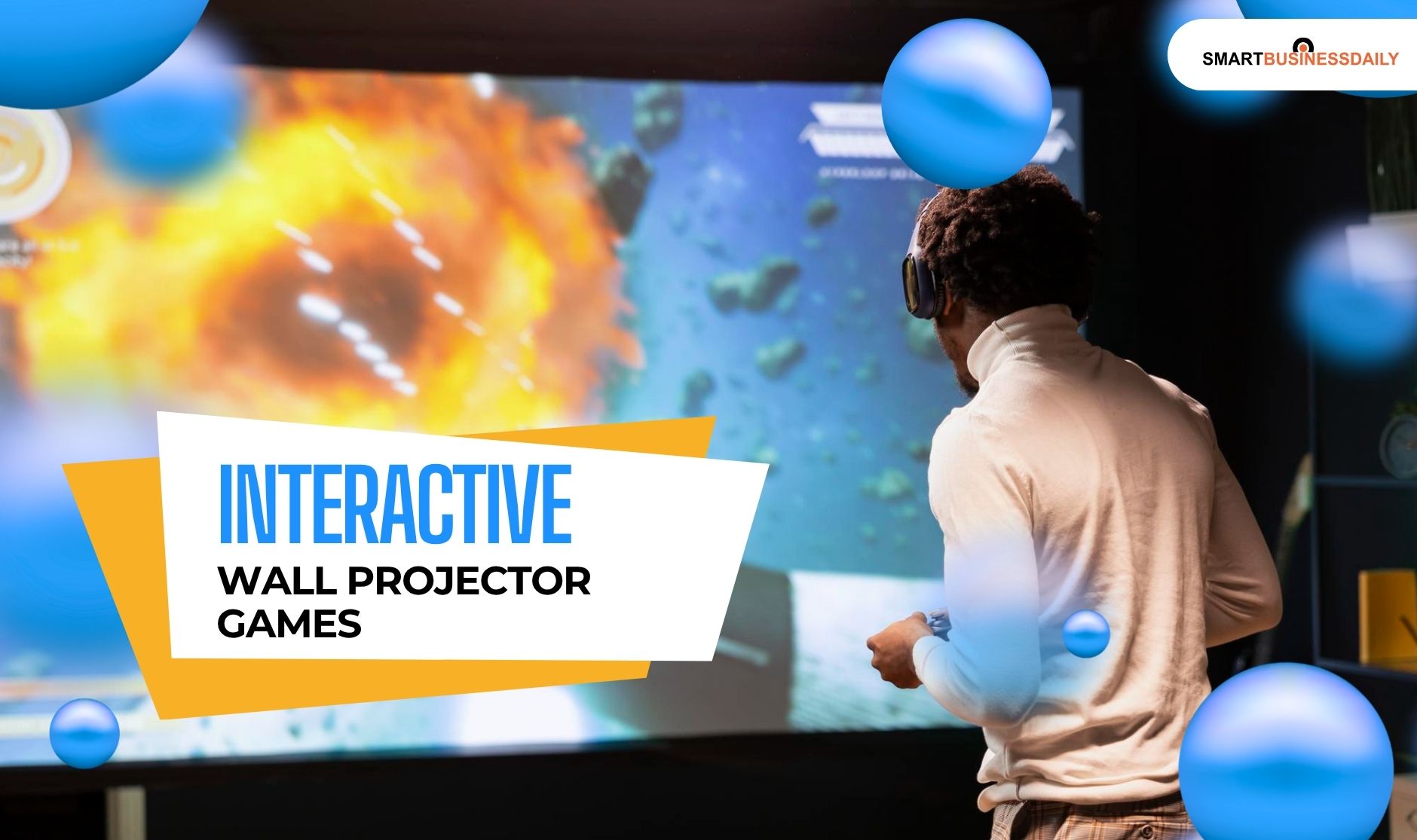
Interactive wall projector games are the newest sensation in the market.
It creates exciting digital experiences that are phenomenal not just for kids, but for adults as well.
But how do they do that? Well, they are just turning regular walls into interactive displays.
Additionally, these systems use projectors and motion sensors. Therefore, this allows users to interact with the projected images.
I chose the brand NeoXperiences, a French company that specializes in interactive and immersive solutions.
They deliver their products across Europe and the Middle East. NeoXperiences is known for creating fun, technological devices for the leisure, sports, education, events, and retail sectors.
They develop dynamic, sporty, educational, and entertaining immersive areas.
Their offerings are suitable for companies in the amusement and leisure industry, such as trampoline parks, or any business wanting to create a specific gaming area or an additional gaming zone with a paid model.
What Are Different Gaming Models NeoXperiences Offer?
They also offer products that help create interactive play areas, including:
1. Neo-Move:
Interactive screens and walls with body-tracking technology for movement games, combining entertainment and sports.
2. Neo-Fast:
A ready-to-use suitcase that lets you quickly set up an interactive play area using an easy projection system and smart impact detection on the wall.
3. Neo-Board:
Educational game tables designed for children. These tables make learning fun for young kids.
4. Neo-Dance:
A dance module for hosting large Just Dance events, also using interactive walls and body-tracking technologies. It allows multiple players and keeps track of individual scores.
How Can You Choose The Best Interactive Wall Projector Games In 2026?
When I was doing it for the first time, a friend of mine gave me these tips. You can also look at them as different parameters.
These will help you get a clear idea. In addition, you will also be able to find the appropriate wall games for you efficiently.
1. Define Your Goals And Measure Success
Start by deciding what success means for you.
This could be more ticket sales, longer visitor stays, educational results, or brand events.
Choose systems that give you clear analytics related to these goals.
2. Hardware Choices: Projectors, Sensors, And Mounting
Select short-throw or ultra-short-throw projectors if you have limited space and want to reduce shadowing.
For bright areas, pick projectors with high lumen ratings to handle ambient light.
Pair projectors with dependable depth or IR sensors and sturdy mounts built for heavy use.
3. Software Choices: Content Variety, Flexibility, And Updates
Look for a range of games and the ability to add your own content.
A flexible platform with remote management allows for seasonal events or brand promotions without needing new hardware.
Check if the vendor offers ongoing updates and support.
4. Content Quality And Gameplay
Choose games with a polished user experience, easy scoring, and progression paths that keep players coming back.
Games should be simple for newcomers and adjustable in difficulty for returning visitors.
5. Space, Safety, And Accessibility
Design the play area with crowd movement in mind.
Additionally, you must ensure the flooring prevents slipping. Also, you have to maintain safe distances from other attractions.
I suggest that you include options for users with different accessibility needs.
6. Maintenance, Uptime, And Warranties
For commercial setups, I suggest that you ensure you have service contracts. Additionally, you must also have access to spare parts.
Therefore, I would recommend that you ask about the average time between failures for key components.
Also, you need to be fully aware of the warranty details.
Finally, you must also ask about the response times for support, whether remote or on-site.
7. Integration And Monetization Options
Check if the system works well with your point of sale, ticketing, loyalty programs, and advertising networks.
Explore ways to make money, such as timed play, token systems, classroom licenses, private event rentals, and sponsored content.
What Are The Various Types Of Interactive Wall Projection Games?
The list is quite long, as I have mentioned before! Before you start losing your mind, I would like to tell you which category offers what:
1. Reactive Wall And Touchless Games
As the name suggests, these games are touchless. They only respond to
- Movement
- Shadows
- Gestures
So, I see them as a great fit for museums and lobbies.
In addition, I think they will be a great fit for the malls as well! This is because they are easy to use.
Also, they encourage casual interaction with many people.
2. Sports Simulators And Skill Challenges
Do you like playing games that involve pitching or kicking? I love them! In fact, I also enjoy the ones that need quick reactions.
This attracts competitive players, especially in sports bars.
In addition, these interactive wall projector games also have features like
- Score Tracking
- Leaderboards
- Tournaments
Therefore, they encourage repeat play and group bookings.
3. Educational And STEAM Experiences
These interactive walls are not only great for playing games. Rather, they also make learning fun!
Therefore, these are perfect for schools and museums.
I have seen many such games that teach:
- Math
- Language
- Science
So, they easily align with curriculum standards.
In addition, they are more likely to be adopted by institutions. Also, I feel like they can help secure grant funding.
4. Immersive Story-Driven And Narrative Games
Projection stories and escape scenarios offer high-quality experiences for themed attractions.
In addition, I also think that they are great for entertainment centers.
Additionally, these often combine projection mapping with sound and special effects.
5. Art Installations And Branded Activations
Interactive walls are increasingly used for brand experiences in retail and events.
Creating custom content that includes brand themes provides value for sponsors and boosts social media visibility.
How Much Do Interactive Wall Projector Games Cost?
Costs depend on projector quality (brightness and resolution), sensing hardware, computing platforms, content licensing or development, mounting and installation, and post-installation support.
Custom content and projection mapping raise costs but can also lead to higher pricing.
Smaller, entry-level projection packages for low-traffic areas may be affordable with little content customization.
Larger systems designed for heavy use and custom branding require a bigger initial investment and professional setup.
Always ask for total cost of ownership estimates, which should include ongoing support and content updates.




Related Articles


Comments Are Closed For This Article