








How A Micro Fulfillment Center Actually Helps Small Businesses Compete?
19 May 2026
7 Mins Read
- What Exactly Is A Micro Fulfillment Center?
- The “Speed Problem” Every Small Business Owner Knows!
- Micro Fulfillment Center To Solve The Issue
- A Real Case Study: The Turning Point For My Friend's Candle Business
- MFC VS. Traditional Warehouse: A Simple Comparison
- How Ecommerce Fulfillment Actually Works Inside An MFC?
- What About Costs And Shipping Options?
- Last Mile Delivery Optimization For Small Brands
- Is A Micro Fulfillment Center Right For You?
- What Actually Made The Difference?
My neighbor runs a small skincare brand out of Austin. Three years ago, she was losing about 20 orders a week to a competitor selling nearly identical products.
Yes, the other brand offered the same price and the same ingredients. But do you know what the only difference was? Her competitor got items to customers in two days. While she was taking five. So it’s that gap we need to bridge. Needless to say, you need a micro fulfillment center.
Most importantly, she didn’t have the budget to lease a 50,000-square-foot warehouse. However, I feel that a big warehouse is not the problem solver here. What she needed was a smarter, smaller option.
I’m talking about a warehouse that will be close to her customers and get products out the door fast. That’s where the idea of a micro fulfillment center came in.
What Exactly Is A Micro Fulfillment Center?
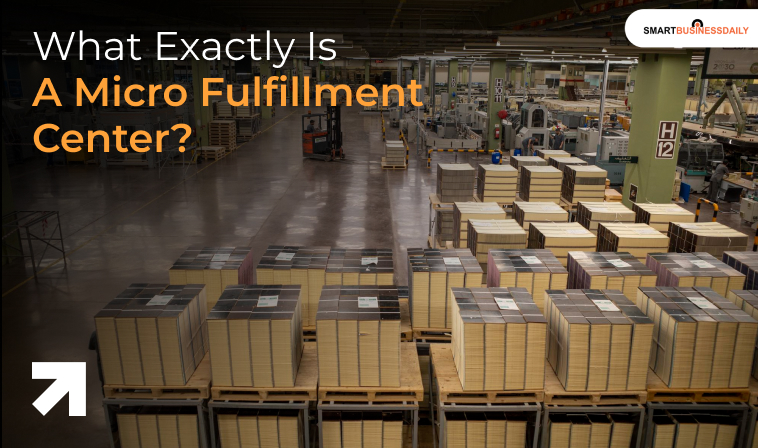
A micro fulfillment center (MFC) is a small, strategically placed storage and shipping hub. It is usually under 10,000 square feet. But there’s a big difference. A micro-fulfillment center is located within or near a densely populated area.
Unlike a sprawling regional warehouse parked on the edge of a city, an MFC is designed to shorten that last stretch of the delivery journey. That final leg, called last mile delivery, is where costs spike, and delays occur most often.
Think of it this way. A last mile sorting and distribution center handles the routing of packages across a wide region. Meanwhile, an MFC is even more targeted.
It’s not sorting thousands of packages from a hundred different sellers. It’s storing your inventory, which is a focused set of SKUs. At the same time, it is fulfilling orders directly to customers who live nearby.
For small ecommerce brands, this setup can be a genuine game-changer.
The “Speed Problem” Every Small Business Owner Knows!
Here’s something nobody talks about enough. The customer does not care why your delivery is slow. Do you know what erodes customer trust the most?
In most cases, it is one of these:
- A delivery attempt failed message
- Package stuck in transit for three days.
- An order that was supposed to arrive on Thursday showed up on Monday
Remember that trust is an important signal for an online buyer. So, it is hard to rebuild.
Do you know how long does Amazon take to deliver? Well, they are the fastest in the business.
People definitely love Amazon. But what is one of the underlying reasons behind that? Amazon has made two-day delivery the standard expectation.
Therefore, when your small shop takes five days, you’re not competing on speed. You’re hoping your product quality or price makes up the difference. But sometimes it doesn’t. That’s when people switch to brands like Amazon.
Micro Fulfillment Center To Solve The Issue
Micro fulfillment changes the math. When your inventory is already 12 miles from a buyer, rather than 400, same-day delivery stops being a luxury and becomes realistic.
So now you know how does same day delivery work in practice. The real difference comes down to “proximity”. Less distance means less time, fewer handoffs, and fewer chances for something to go wrong.
A Real Case Study: The Turning Point For My Friend’s Candle Business
I know someone who sells handmade candles in the Chicago metro area. Around the holiday season, she was consistently running into backorders.
Do you know what is a backorder? Customers were ordering products she thought she had in stock. But she soon realized she’d misjudged the demand.
She didn’t have a clear handle on her safety stock formula. In other words, she had no actual plan to figure out the minimum inventory buffer you need to avoid running out during demand spikes.
Once she partnered with a third-party logistics provider that operated a small fulfillment node in the suburbs of Chicago, things shifted. Above all, she kept a concentrated batch of her top-selling SKUs at that location.
At the same time, stock replenishment was managed using a FIFO method. But what’s FIFO?
Simply put, it is the first-in, first-out psychology. In other words, you ship older stock before newer batches. That’s important for maintaining consistent product quality.
As a result, her order backlog dropped. At the same time, her repeat-customer rate increased.
She wasn’t running a micro fulfillment center herself. She was using one. And for a small business, that’s often the more practical path.
MFC VS. Traditional Warehouse: A Simple Comparison
| Factor | Micro Fulfillment Center | Traditional Warehouse |
| Size | Under 10,000 sq. ft. | 200,000–1M+ sq. ft. |
| Location | Urban / near customers | Suburban / industrial zones |
| Delivery Speed | Same-day to next-day | 2–5 days typical |
| Startup Cost | Low–Medium | High |
| Inventory Depth | Limited (24–72 hrs of stock) | Months of stock at once |
| Best For | High-frequency, local orders | Bulk storage, national reach |
Traditional warehousing made sense when online shopping was still growing slowly, and two-day delivery felt premium. But that world is gone.
According to Capital One research, over 58% of consumers in the US said they would pay more for faster delivery, preferably same-day, at least once.
In fact, they were ready to switch sellers for that. To sum up, for small businesses without deep pockets, micro fulfillment is a way to close that gap without taking on massive overhead.
How Ecommerce Fulfillment Actually Works Inside An MFC?
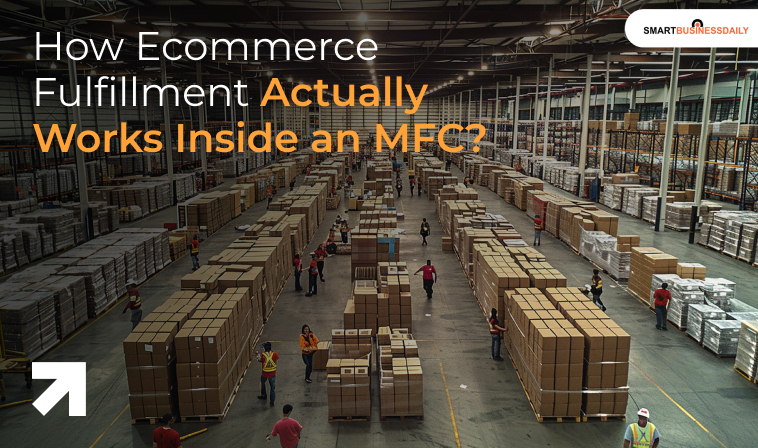
Ecommerce fulfillment within a micro node seems simpler than in a large warehouse. In simpler words, there’s no endless maze of shelving.
At the same time, the staff picks items quickly because the facility is small and product density is high. After that, the items are packed and handed off to a local carrier, a regional courier, or even a gig driver for same-day drops.
For brands shipping regionally, services like Sendle USA have become attractive for cost-conscious small businesses.
To clarify, I’m talking about perks like flat-rate pricing without the complexity of big carrier contracts. Here, the key is matching your carrier choice to your geography and customer expectations. Technology plays a big role here too.
AI route optimization tools now help drivers sequence stops efficiently. That reduces fuel costs and delivery windows.
At the same time, you need good ecommerce tracking. In other words, you have to ensure that you send authentic, prompt, real-time updates to customers. Once you do that, you will get much fewer ‘where is my order’ notifications.
What About Costs And Shipping Options?
One thing small business owners often ask. Does micro fulfillment mean I have to offer expensive expedited shipping on every order?
Not necessarily. The goal is to make standard shipping fast. Not to push customers toward premium tiers. When your MFC is close to your buyers, your ‘standard’ delivery already feels premium.
For occasional in-person needs like dropping off returns or picking up shipping supplies, it’s worth knowing practical details. For example, can you buy stamps at UPS locations?
Yes, UPS stores do sell stamps, which is handy when you’re already there for a pickup. Small details like this matter when you’re wearing six hats at once.
Last Mile Delivery Optimization For Small Brands
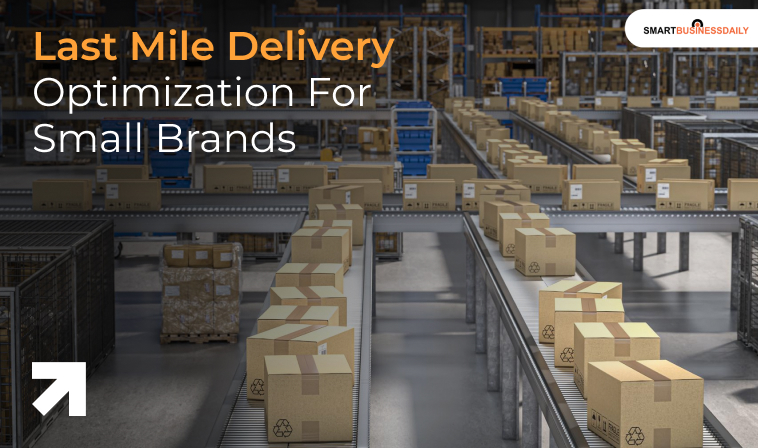
Last-mile delivery optimization isn’t just for FedEx and UPS. Small businesses can practice it too. Here’s what it looks like in real terms:
- choosing a fulfillment partner with a node close to your highest-order zip codes
- batching orders by neighborhood for same-day runs
- using real-time data to reroute drivers around delays
A pet supply brand in Brooklyn that I read about shifted its micro-inventory to a location in Queens.
As a result, they saw their average delivery time drop from 3.2 days to 1.1 days within 90 days. But there was no new product or any marketing campaign. It was just smarter inventory placement.
That’s the core promise of micro fulfillment for small businesses. You don’t need a logistics revolution. You need your products closer to your buyers.
Is A Micro Fulfillment Center Right For You?
| Go for MFC if | Stick with the current setup if |
| Most of your customers are in 1–2 metro areas | You ship nationwide with no regional concentration |
| Customers frequently ask about same-day or next-day options | Your SKU count is very large and changes constantly |
| You sell fast-moving, consistent SKUs (not seasonal-only) | Demand is too unpredictable to stock locally |
| You keep losing customers to Amazon-speed competitors | Your margins can’t absorb extra local rent costs yet |
The honest answer is that it depends on your volume, your customer geography, and your product type. A business shipping 30 orders a day across 40 states probably isn’t ready.
But what about a brand doing 80–150 daily orders concentrated in two or three metro areas? If you have a business like that, talk with a 3PL partner now. Enjoy the benefits of a micro fulfillment center.
What Actually Made The Difference?
The skincare brand owner from Austin? She eventually partnered with a fulfillment company that had a small hub in Houston and one in Dallas. To clarify, both cities where most of her customers were.
Within one quarter, her delivery window dropped from five days to two. Her cart abandonment rate fell. Her repeat purchase rate climbed.
So, she didn’t build a warehouse. Again, she didn’t raise a funding round. She just got smarter about where her products lived before a customer clicked ‘buy.’
That’s what a micro fulfillment center does at its best. It puts your business physically closer to the moment a customer needs you.




Related Articles


Comments Are Closed For This Article