







What Is The FIFO Method And Why Small Business Owners Keep Getting It Wrong?
26 May 2026
7 Mins Read
- What Is The FIFO Method?
- How The FIFO Calculation Actually Works?
- Example Of Marcus's Situation Simplified:
- FIFO VS. LIFO: What's The Real Difference?
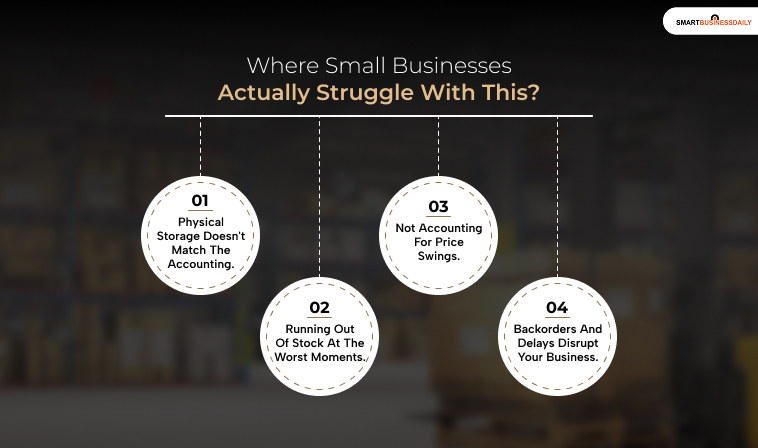
- Where Small Businesses Actually Struggle With This?
- 1. Physical Storage Doesn't Match The Accounting.
- 2. Running Out Of Stock At The Worst Moments.
- 3. Not Accounting For Price Swings.
- 4. Backorders And Delays Disrupt Your Business.
- FIFO In Ecommerce: A Different Kind Of Challenge
- A Real Turnaround Story
- Practical Steps To Start Using FIFO
- Is Your Business In Line With The FIFO Method?
My cousin Marcus ran a small natural skincare shop in Austin for three years. But that was before he figured out why he would never hit net profit. His products were expiring on the shelf.
In addition, he was losing money on ingredients he’d bought cheap six months ago. At the same time, his accountant kept flagging his cost of goods sold as unreliable.
So, what fix did he try? He realized that he wasn’t rotating stock properly. In other words, he was grabbing whatever was closest.
Therefore, he introduced only one change: the FIFO Method. It saved him roughly $4,000 in waste in the first year alone.
But what is FIFO? It sounds like an accounting term you’d see buried in a textbook. But for small business owners managing physical inventory, it’s one of the most practical decisions you’ll make.
What Is The FIFO Method?
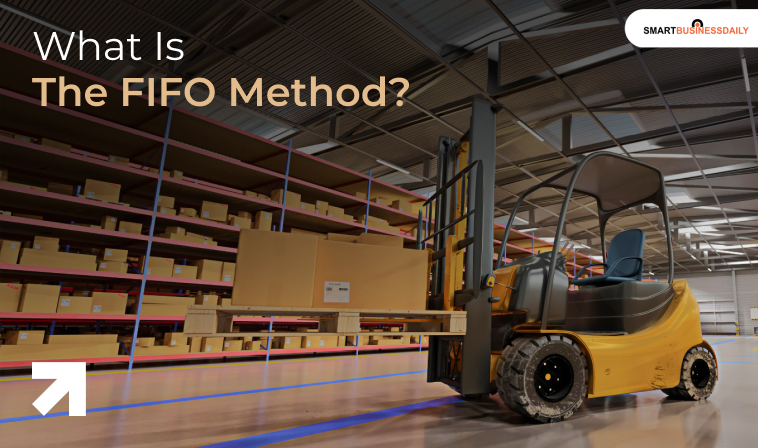
FIFO stands for “first in, first out.” In plain terms, the oldest stock you have gets sold or used first. Meanwhile, new stock waits its turn.
This applies both in how you physically handle products and how you record their value for accounting. In the same vein, most businesses use it for both, which keeps things clean and consistent.
Think about a corner grocery. When new milk comes in, the stock person pushes the older cartons to the front. Nobody decided to do that because that’s a smart move. It just makes more sense. Otherwise, the old stocks unsold would move towards expiry.
The FIFO inventory method works on exactly that logic. You should always use the oldest supplies first. However, that is the opposite of what many newer shop owners instinctively do.
This is the part that most small shop owners find confusing. When it comes to using up supplies in your shop, you should always use the newest supplies first. That’s the way most shop owners think. But what’s the logic behind?
According to them, fresher is better. They think they can appeal to customers that way. But no. That thinking leads to expired inventory, inaccurate revenue, and most importantly, unexpected losses.
How The FIFO Calculation Actually Works?
You don’t need to be an accountant to run this. The formula for Cost of Goods Sold (COGS) stays the same regardless of the method you use:
COGS = Starting Inventory + Purchases − Ending Inventory
What changes with FIFO is which cost you assign to the goods sold. You always assume the oldest (cheapest, in most cases) units are sold first.
Example Of Marcus’s Situation Simplified:
He started the quarter with 60 units of a shea butter base at $5 each. Mid-quarter, he bought 100 more at $7 each because his supplier raised prices. He sold 80 units total.
Under FIFO:
- First 60 units sold at $5 cost = $300
- Next 20 units sold at $7 cost = $140
- Total COGS = $440
His ending inventory: 80 units remaining, all valued at $7 each, for a total of $560.
This is a smart move because his balance sheet shows higher-value ending inventory, which looks better to lenders and reflects real current market value.
| Batch | Units Purchased | Cost Per Unit | Total Cost |
| First batch (older) | 60 | $5.00 | $300 |
| Second batch (newer) | 100 | $7.00 | $700 |
| Sold under FIFO | 80 | — | $440 |
| Remaining inventory | 80 | $7.00 | $560 |
FIFO VS. LIFO: What’s The Real Difference?
LIFO, which we also call last in, first out, is the opposite approach. You’d assume that the most recently purchased goods would sell first.
In the US, LIFO is permitted under GAAP. However, it’s been banned under international accounting standards (IFRS).
That alone makes FIFO the safer long-term choice if you ever plan to scale, seek investors, or sell your business.
Beyond the regulatory angle, FIFO reflects reality better in most small businesses. In other words, you’re physically moving older stock out first anyway (or you should be). Your books should match that.
| FIFO | LIFO | |
| Ending inventory value | Higher (reflects current prices) | Lower (reflects older, cheaper costs) |
| COGS during inflation | Lower | Higher |
| Tax impact (inflation) | Higher taxable income | Lower taxable income |
| Accepted internationally? | Yes | No (banned under IFRS) |
| Best for | Perishables, ecommerce, retail | Some manufacturing scenarios |
Where Small Businesses Actually Struggle With This?
The concept is simple. The execution breaks down in a few predictable places.
1. Physical Storage Doesn’t Match The Accounting.
Marcus had a spreadsheet tracking FIFO on paper. His storage room was a mess.
As a result, the new supplies got stacked in front of the old ones. Now you understand that knowing FIFO and practicing it are two different things.
But after applying the FIFO method, his last mile delivery improved. There were fewer reattempts and hence less pressure on inventory.
2. Running Out Of Stock At The Worst Moments.
When businesses don’t use a proper safety stock formula, they either overstock (wasting money) or end up out of stock right before a busy period. Marcus faces these problems during the holiday rush two years running.
He had spreadsheets. However, he didn’t have a system.
3. Not Accounting For Price Swings.
Supplier prices change. If you’re only roughly tracking inventory value, you’ll eventually run into a situation where your reported profits don’t match actual cash flow.
In the same vein, FIFO limits how badly this distortion gets. But it only works if you apply it consistently.
4. Backorders And Delays Disrupt Your Business.
Do you know what is a backorder situation? That’s where a customer orders something you don’t currently have in stock. Again, this situation can cascade into fulfillment chaos if your inventory records aren’t accurate.
FIFO helps here because your oldest stock is always the first to be accounted for. As the newer ones move in, they are accounted for serially. Therefore, the Accounting book remains streamlined.
FIFO In Ecommerce: A Different Kind Of Challenge
Online sellers face a more complex version of the stock management challenge.
Simply put, products might be stored across a warehouse, a micro-fulfillment center, or even split among multiple third-party locations.
When an order comes in, ecommerce tracking systems need to know not just where the item is. But which batch does it belong to? They need this information for accurate COGS reporting.
A small Etsy seller scaling to their own site doesn’t think about this until it creates a problem for them. But what kind of problem were we talking about here?
All of a sudden, you see that you are juggling inventory from two different suppliers at two different costs. But is this the right way of ecommerce fulfillment? Most of you will say ” No”.
This is also where the logistics side becomes relevant. Faster options, like expedited shipping, mean less time products spend in storage.
Certainly, that helps with perishables. But that speed creates pressure on your stock management. After all, perishables need to be properly airtight. Meanwhile, even if a single carton is not sealed airtight, the perishables would rot.
One merchant I know who runs a candle business in Ohio started using a fulfillment partner (similar to Sendle USA). But she made that switch after her homemade approach no longer worked.
After that, her inventory rotation improved immediately. But how? Above all, the warehouse had a proper pick-and-pack process built around FIFO principles.
A Real Turnaround Story
Rosa Chen opened a specialty tea shop in Portland in 2019. She sourced rare teas in small batches. However, each had a different purchase price and shelf life. For the first two years, she tracked everything in a notebook.
By year three, she had 14 different SKUs, three suppliers, and no reliable way to know which teas were approaching expiration. As a result, she was constantly marking losses on almost every product batch.
But she had a good business sense. So, she quickly switched to inventory software that automatically enforced FIFO. That’s how she was flagging her oldest batches first whenever she picked orders.
Within six months, she’d cut her waste by around 30%. In almost no time, her COGS reporting became predictable. And because her ending inventory now reflected current market values, she was able to use that documentation when applying for a small business line of credit.
But that was not the only reason she succeeded. She understood the difference between standard and expedited shipping windows. At the same time, she never wanted to be a competitor to Amazon.
If you know how long does Amazon take to deliver, you will also know that it was impossible for her at that time to match that speed.
After comparing Amazon’s turnaround to her own, she set customer expectations correctly. As a result, she reduced complaints and won more repeat business.
Practical Steps To Start Using FIFO
You don’t need expensive software to start. Here’s what actually works at the small business level:
- Label everything with a received date. For example, boxes, bins, and shelves. This sounds simple, but do you know that most shops don’t do it?
- Store new stock behind old stock. That approach of physical organization helps you keep your account book streamlined, too.
- Batch your inventory in your records. Even a simple spreadsheet can track the cost per batch if you’re disciplined about record-keeping.
- Review your COGS quarterly. Don’t wait until year-end to discover that your inventory valuation wasn’t being managed properly.
- Consider whether you even need stamps for returns. But can you buy stamps at UPS? Yes, you can. In this connection, remember that UPS is useful for handling small-batch returns.
Is Your Business In Line With The FIFO Method?
The FIFO method is a basic step, however, vital for your business. For a small business managing physical inventory, it’s one of the most reliable ways to keep your numbers honest and your shelves healthy.
Again, you might be any kind of business. Whether you’re making candles, selling skincare, or running a specialty food shop, the FIFO method is always helpful!
Marcus still runs his skincare shop. He now trains every new hire on proper stock rotation before they touch a single product.
Guess what, his accountant is much happier. At the same time, he hasn’t had an expired batch in over two years. To sum up, the simplest systems are the ones that actually work.
Additional Resource: Last Mile Delivery Optimization: What Small Businesses Actually Need To Know




Related Articles



Comments Are Closed For This Article