








Automate Recurring Payments: How Automation Transforms Billing Operations For Service-Based Businesses
6 Mins Read
Published on: 03 February 2026
Last Updated on: 07 August 2026
- Automate Recurring Payments: How Is It Transforming Businesses?
- 1. From Manual Headaches To Predictable Revenue
- 2. Subscription Models And Smarter Revenue Tracking
- 3. Flexibility Matters: Supporting Multiple Ways To Pay
- 4. Reducing Errors, Delays, And Payment Failures
- 5. Security, Compliance, And The Cost Of Getting It Wrong
- 6. Building A Better Customer Experience Without Extra Effort
- 7. Automate Recurring Payments As A Financial Strategy, Not Just A Tool
- 8. Scaling Without Breaking Your Back Office
- Choosing The Right System To Automate Recurring Payments For Your Business
Even if your service is excellent, you might find it hard to make a profit if the way you do billing is perceived as unpleasant, slow, or unreliable.
Initially, many (service-based) businesses have invoicing done manually, with spreadsheets, and reminders stored in someone’s inbox.
It is okay for a while. When it goes the opposite way, it is unheard income, lack of payments, and your time being constantly drained for follow-up, which raises trust and time.
When you have more customers, your billing gets more complicated as well. Different pricing levels, contract lengths, and meeting the rules add up to the annoyance that is difficult to deal with if done manually.
At this point, automating is no longer a “nice-to-have” but rather a strategic upgrade.
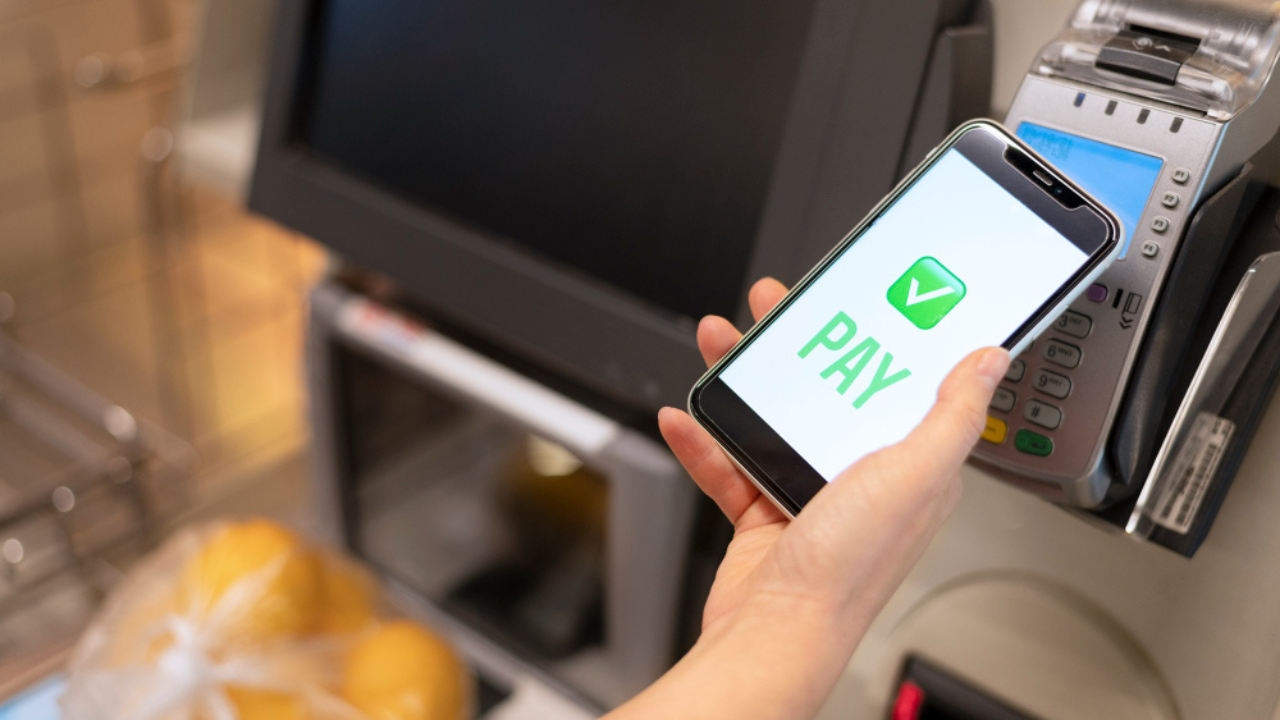
Automate Recurring Payments: How Is It Transforming Businesses?
At its core, automation connects your billing rules to a secure payment processing system. This system knows when to charge, how much to charge, and what happens next if something goes wrong.
Once a client agrees to the terms, their payment method is stored safely and charged according to your schedule. This could be weekly, monthly, or aligned to a specific payment cycle.
The system handles authorization, charges, receipts, and updates automatically. You’re no longer manually entering payment details or reconciling spreadsheets.
Instead, the technology applies your billing logic consistently every time, even as your client base scales.
Service businesses with complex approval steps can automate securely using a credit or debit card authorization form, ensuring consent is documented and compliant with regulatory requirements.
1. From Manual Headaches To Predictable Revenue
Many service businesses face inconsistent income. You might have a strong demand, but payments arrive late, partially, or not at all. That unpredictability makes planning difficult and adds stress to everyday operations.
Automating recurring payments directly addresses this issue. Instead of chasing invoices, you set up a system that charges clients on a defined schedule.
Predictable billing creates stability, whether you’re managing retainers, maintenance plans, or memberships. You move from reacting to late payments to proactively managing growth.
2. Subscription Models And Smarter Revenue Tracking
Secondly, automation simplifies subscription management for businesses offering ongoing services.
You can adjust pricing, pause accounts, or apply discounts without rebuilding invoices from scratch. This flexibility supports evolving service offerings while maintaining accurate records.
It also improves revenue recognition, since income is logged in real time as payments are processed.
That clarity is invaluable during audits, forecasts, or investor discussions, especially when combined with invoice-based recurring payments for enterprise clients.
3. Flexibility Matters: Supporting Multiple Ways To Pay
Giving clients the freedom to select a payment option that suits their habits and financial schedules greatly increases the chance that they will pay on time.
Using automation, no one can restrict you to only one option but can easily extend support for various payment types:
- Credit cards: These are a go-to choice for many customers who value convenience and efficiency, especially when it comes to recurring service fees. When you automate recurring payments, clients don’t need to be involved every time their credit card is charged since the schedule is set and the process continues automatically.
- Debit cards: They are attractive to customers who want to pay directly from their bank accounts. Automation helps in reducing unsuccessful payments by asking for an update when a card expires or when there is an insufficient amount in the account.
- Digital wallets: These are meant for users who want instant and mobile-oriented experiences. Moreover, they also bring the benefit of an additional authentication factor, thus fostering trust and limiting the chances of disputes.
Therefore, by presenting several different choices via a seamless connection between payment gateways, you can lessen the resistance encountered at the moment of payment.
The customers pick the method that is the most convenient for them, and you still get your money in an orderly and traceable manner.
4. Reducing Errors, Delays, And Payment Failures
Doing the billing manually gives a lot of opportunities for making mistakes, such as charging the wrong amount, missing updated payment information, or sending invoices to the incorrect contact.
Automation not only drastically decreases such risks but also is capable of handling payment failures in a much more trusted way.
When a payment attempt fails, the system can automatically make the next try, send an email to the client, or even instruct the customer through a portal to provide the necessary information.
Such anticipatory measures allow the account to remain current without the need for uncomfortable conversations and establish that the payment responsibility comes with a clear definition right from the very beginning.
5. Security, Compliance, And The Cost Of Getting It Wrong
Handling sensitive customer data comes with serious responsibility. Compliance with Payment Card Industry Data Security Standards (PCI-DSS) isn’t optional, and manual systems increase the risk of exposure.
Automated platforms encrypt data and apply built-in fraud protection solutions that would be costly to replicate in-house.
In 2024, 61,678 cases of fraudulent transactions involving credit cards and other financial instruments were reported to the US government.
The average loss for the transactions was a whopping USD$ 154,919. That statistic alone highlights why relying on spreadsheets and email approvals is a gamble few growing businesses can afford.
6. Building A Better Customer Experience Without Extra Effort
Once you automate recurring payments, they can be a major contributor to customer experience.
This is because they make it easier for customers to interact with the company and remove unnecessary steps from the process.
There are no more leads to chase after the letter due date, no more requests for receipts, and no more service interruptions due to non-payment from forgetting to pay.
When e-retailers have a seamless checkout process, there will be less transaction abandonment. Additionally, the payment approval process will be faster, especially when customers can make payments by clicking a link.
The loyalty of your customers will become extremely strong as a result of the consistency you maintain over time. When payments are straightforward and easy, customers will be loyal.
Consistency is the most powerful trust-building tool, more effective than any other form of marketing.
7. Automate Recurring Payments As A Financial Strategy, Not Just A Tool
In addition to convenience, automated billing inherently plays a major role in cash flow health.
Regular payment receipt schedules make the forecasting very accurate, and hence the financial planning becomes more on top of things rather than being reactive.
There are some companies that have been very creative and used automation for pricing decisions, for instance, offering discounts for early payment or the use of long-term contracts.
In fact, when automating payments, you can tie it to your business offering by, for example, giving a discount on the interest rate for longer-term commitments. This will not only be a way of rewarding your loyal clients but also consolidate the revenue.
Eventually, the system will execute the agreement automatically. Thus, there will be no room for misunderstanding.
8. Scaling Without Breaking Your Back Office
As you grow, complexity increases. Different regions mean different tax rates. New services introduce new pricing structures.
Automation absorbs that complexity without adding headcount. Your payment processor and payment service providers handle the heavy lifting while you focus on delivering value.
This is also where you start to improve your accounting workflows. Automated reconciliation, reporting, and integrations with your accounting software reduce close times and free your finance team from repetitive tasks.
Choosing The Right System To Automate Recurring Payments For Your Business
Not all platforms have the same features. Choose one that can handle recurring payments, integrates with your current tools, and has clear pricing. Automated payment support and straightforward reporting should be a must-have.
See how the solution deals with exceptions. Are clients able to change their information? Is it capable of handling disputes?
A good payment system should be really helpful when there are issues, and otherwise it should be almost invisible.
Basically, you should automate recurring payments for your billing simply to make your staff more available, not less.
When payments take place smoothly and effortlessly in the background, you get more time, greater transparency, and more assurance in your figures.
Automation will allow service-based businesses to elevate billing from a source of constant frustration to a strategic advantage.
Eventually, you will enjoy more consistent revenue, satisfied customers, and a business model that can grow without exhausting the people behind it.
Read Also:




Related Articles



Comments Are Closed For This Article