







What Is A Backorder? A Small Business Owner’s Real Guide To Managing It
26 May 2026
7 Mins Read
- What Is A Backorder?
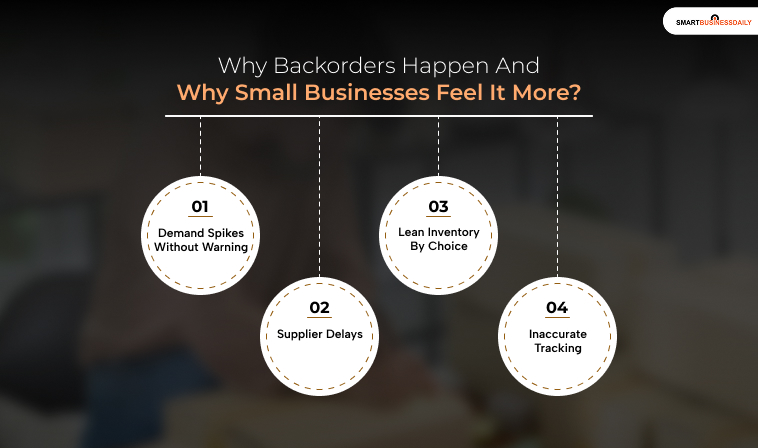
- Why Backorders Happen And Why Small Businesses Feel It More?
- Demand Spikes Without Warning
- Supplier Delays
- Lean Inventory By Choice
- Inaccurate Tracking
- Causes And Effects Of Backorders
- Advantages Of Backorders
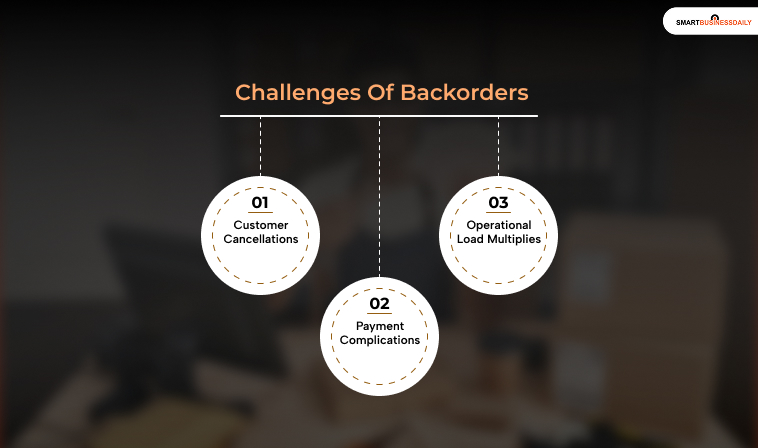
- Challenges Of Backorders
- Customer Cancellations
- Payment Complications
- Operational Load Multiplies
- Best Practices For Backorder Management
- A Real Small Business Story: Candle & Co.
What is a backorder, and why is managing backorders the key to success for every small business? Let me explain that through a real-life experience. Here we will tell you about the fate of a real small business.
My neighbor, Gary, runs a small, basic gear shop out of his garage in Ohio. Last spring, he did something out of the box to grow his business.
He started selling hiking boots of a famous brand. I was surprised to see his order count growing sharply within 48 hours.
He told me that I had only 12 pairs of hiking boots of a particular brand at first. So I had 2 way outs. Either I could simply mark everything “out of stock.” At the same time, I could accept the orders and not let the customers go. So I did that.
All I did was tell them that delivery would be delayed. So, I fulfilled their orders whenever stocks refilled. Well, that is a backorder. Well, bigger brands do the same. But at a higher and more strategic level.
What Is A Backorder?
A backorder is when a customer places an order for a product that is currently out of stock. The seller accepts the purchase and promises to ship it once inventory is replenished.
Here’s what most of the seller messages read:
“The item exists. It will be available again. It just isn’t on the shelf right now.”
This is different from being “out of stock” entirely. When something is out of stock, there’s no confirmed restock date, and the customer can’t buy it.
With a backorder, the transaction still goes through. As a result, the customer gets in line and waits. Here’s a simple breakdown that will help in understanding the concept:
| Status | Can Customer Purchase? | Restock Expected? | Common in Ecommerce? |
| Backorder | Yes | Yes | Very common |
| Out of Stock | No | Uncertain | Common |
| Pre-Order | Yes | Yes (new item) | Growing trend |
A lot of small business owners confuse backorders with being “out of stock” and panic unnecessarily. They’re related, but they’re not the same problem.
Why Backorders Happen And Why Small Businesses Feel It More?
Large retailers have entire teams running demand forecasting models. Small businesses usually use a spreadsheet and rely on gut feeling.
When you see the revenue sheets of the global and the small business side by side, that gap matters. The most common reasons backorders hit small businesses harder are:
Demand Spikes Without Warning
A product goes viral on TikTok or gets picked up by a local influencer. Suddenly, your safety stock formula means nothing. You’re short on 48 hours.
Supplier Delays
One supplier can hold up an entire product line. If your manufacturer is running behind or a shipment is stuck somewhere between a last mile sorting and distribution center and your warehouse, you have zero control over the timeline.
Again, when the vendor shows inefficiency during last mile delivery, you encounter the same situation.
Lean Inventory By Choice
Many small business owners deliberately run with minimal inventory to reduce overhead costs. That works for them until they make an adjustment order. There’s a listed order, but the inventory is empty.
In other words, you have to manually reject the order, stating that you cannot fulfill it on your end. That is something that costs your impression and the customers’ trust in your business.
Inaccurate Tracking
Manual inventory systems miss several things. For example, a product scanned incorrectly or a return not restocked properly shows up as available when it isn’t.
As a result, the customer buys it. But it puts me in a compromising situation as a seller.
Causes And Effects Of Backorders

When a product slips into backorder status, the ripple effect is real.
For the customer, it’s an inconvenience at best and a canceled order at worst. According to an Emplifu study, 70% of customers say they’ll switch brands after a poor experience..
For the business, there are two ways you can manage situations. You keep the sale and the revenue.
But you also inherit the operational load, including tasks like updating purchase orders, calling suppliers, sending customer updates, and managing expectations.
If ecommerce tracking on your platform isn’t reliable, customers start emailing to ask where their order is. That is a sign that the customers are frustrated. Then comes the refund request if you can’t offer a solution to the customer.
The FIFO method (first in, first out) helps here. Especially when you’re restocking.
It keeps older inventory moving ahead of newer stock, reducing spoilage, quality issues, and confusion about which units to fulfill first. Many small shops skip this discipline and regret it.
Advantages Of Backorders
Here’s something that surprises most people. Backorders, handled right, can actually be a good thing.
You keep the sale. Instead of sending the customer away to find the item at a competitor, you hold their interest and their money.
At the same time, you learn about demand. When the same item keeps going on backorder, that’s data that you can leverage. It tells you what your customers actually want.
My neighbor used his Spring Boot backorder experience to triple his reorder quantity for fall. He sold out again.
But this time, he’d already placed a secondary order with a backup supplier through Sendle USA. Sendle is a shipping carrier that’s helped several small US retailers cut domestic shipping costs, while managing irregular volume spikes.
In addition, you can operate leaner. Backordering lets you avoid overstocking. You don’t need a micro fulfillment center packed with slow-moving inventory. In other words, you carry just enough, accept backorders strategically, and stay nimble.
Finally, it is certain that through backorders, your Cash flow improves. Some businesses collect partial or full payment at the time of the backorder.
That money comes in before the product ships. That amount helps you fund the restock itself.
Challenges Of Backorders
Now you know what is a backorder. However, it is also clear that the process carries real risks. Let’s be honest about the downsides.
Customer Cancellations
If the wait stretches too long, customers run out of patience. Especially in a time when you know how long does Amazon take to deliver. For me, that never went beyond 48 hours.
Against that benchmark, accepting a two-week backorder will cost you a customer. For example, many customers place occasion-based orders when it is not the usual buying season.
For example, what happens when there is a 2-week backorder but the customer ordered for his birthday? That is also a customer lost. A two-week backorder on a non-critical item might be fine. A 2-week wait on a birthday gift is not.
Payment Complications
If you charge at order time and the fulfillment takes weeks, credit cards expire. Often, authorizations drop too.
Then you have a fulfilled order but a failed payment. In such cases, you will usually lose a customer.
Operational Load Multiplies
Handling backorders isn’t just waiting for stock. It’s more than that. To sum up, you are communicating updates, coordinating with suppliers, managing ecommerce fulfillment timelines, and handling the occasional unhappy customers.
Many of them didn’t read the notice about the delay. Every business using expedited shipping to recover from a backorder situation knows how fast shipping costs reduce their net profit margins.
You May Also Like: Last Mile Delivery Optimization: What Small Businesses Actually Need To Know
Best Practices For Backorder Management
Here’s what actually works, based on what small business owners in retail and ecommerce have learned the hard way:
| Practice | What It Does |
| Real-time inventory tracking | Catches shortages before they become surprises |
| Clear product page notices | Sets expectations, reduces angry emails |
| Multiple supplier relationships | Provides backup when your primary source delays |
| Automated customer updates | Keeps buyers informed without manual effort |
| Safety stock buffers | Reduces how often you hit zero before reordering |
| Partial shipments where possible | Gets available items moving, builds goodwill |
Here is one important thing that’s worth adding. If you’re mailing anything related to your orders, you must know can you buy stamps at UPS. The answer is yes, you can at most locations.
It sounds like trivial information at first glimpse. But the process saves time on a hectic fulfillment day, especially when you’re juggling three supplier calls at once.
But what kind of information do you need to mail? Mostly, businesses have to mail invoices, return labels, and other physical items.
The best operators also use some form of AI route optimization or ecommerce tracking software to monitor shipment locations.
The same process also lets them flag when “delivery attempt failed” notifications come through. That keeps the whole chain visible, from the supplier to the customer’s doorstep.
A Real Small Business Story: Candle & Co.
Sarah runs a hand-poured candle business out of Portland, Oregon. During the 2021 holiday season, fragrance oil shortages hit her hard. This story will tell you what is a backorder worth.
She ran out of stock on her top three scents with six weeks left before Christmas.
Instead of shutting down those listings, she marked them as backordered, updated her product pages with honest estimated ship dates, and sent every waiting customer a personal email.
She also offered a 10% discount for the inconvenience.
She filled every backorder. Not a single customer canceled. A few actually replied, thanking her for the communication.
She called it the most stressful and most profitable quarter she’d ever had. That’s the backorder story nobody talks about. In simple words, the one where honesty and logistics actually work together crafts a success story.



Related Articles


Comments Are Closed For This Article